Category: Uncategorized
Teen Orthodontic Options
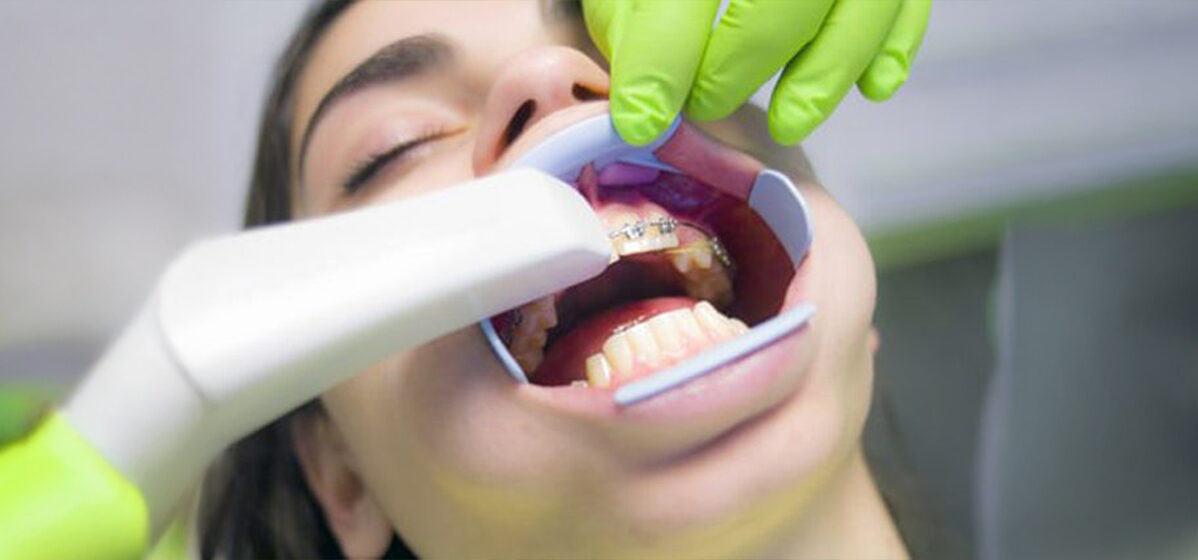
Nowadays, almost everyone has an orthodontic problem. It is sporadic to find someone with straight and perfect teeth. Orthodontic issues are pretty much noticeable from a very early age. In fact, you can note something odd with your child’s teeth immediately they start growing their baby teeth. Fortunately, there is a broad spectrum of orthodontic treatment options. In this article, we discuss some of the best teen orthodontic options today.
Most recommended teen orthodontic treatment options
Invisalign/Transparent Aligners
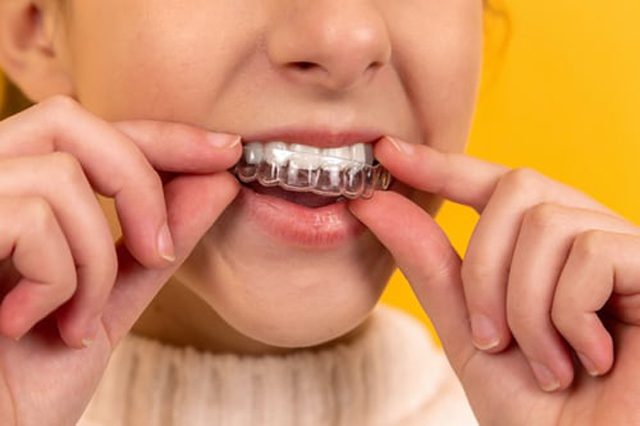
One of the most advanced forms of braces is the Invisalign. These types of braces are colorless; thus, they are not as noticeable as conventional metal braces. Transparent aligners are specially designed to push the teeth to their original position. Invisalign is the most popular option among teenagers since they are relatively invisible. So, they help them avoid any self-esteem issues. One of Invisalign’s main benefits is that you can remove them and put them back on when the need arises. However, this brace type takes longer to deliver treatment. In particular, if you have an underbite and overbite, Invisalign is not the best braces.
Ceramic Braces
The next type of orthodontic option is ceramic braces. Ceramic braces deliver better functionality compared to conventional metal braces. They align your teeth much faster than metal braces. Typically, they are the same as metal braces, only that they incorporate ceramic material. Like the transparent aligners, ceramic braces are colorless; hence, they are an ideal orthodontic option for teenagers. Since they are not as noticeable as metal braces, they are a more comfortable alternative for teenagers.
Nonetheless, ceramic braces are more costly and are likely to discolor the teeth. Consequently, if your teenager prefers ceramic braces, they have to maintain maximum oral hygiene. And this means consuming a healthy diet, flossing, and cleaning their teeth at least twice a day.
Suresmile
Another twenty-first-century teen orthodontic treatment option is the Suresmile. Typically, the Suresmile is a 3D technology metal brace. The main advantage of these braces is that they shorten the treatment process. So, if your teenager does not want to wear braces for too long, Suresmile is an excellent option. Even so, they are quite noticeable. As a result, the majority of teenagers disregard them because of this. Although they are more advanced, they have a conventional appearance. Not to mention, Suresmile braces is a budget-friendly teen orthodontic option.
Conventional Metal Braces
Traditional metal braces have existed since the early years and are often considered the ‘older version’ of braces. Over the recent years, dental experts have come up with more advanced types of braces. But the traditional metal braces remain a popular alternative. Aside from being affordable, they offer fantastic aesthetics. Besides, there are more advanced options for conventional metal braces.
These braces now come in a wide range of colors and options. Dental experts can also modify these braces to match the patient’s requirements. The downside of traditional metal braces is that they can get damaged easily. Again, your teenager cannot eat hard or crunchy foods when wearing conventional braces.
Damon Braces
With time, Damon braces have become a popular option for most teenagers. They are more advanced and require fewer dental checkups. Orthodontist experts love Damon braces because they are an easier and gentler option. Unlike other options, Damon braces do not use elastic bands. Instead, they have a sliding mechanism that aligns teeth to their position.
They incorporate minimal pressure; thus, teenagers may feel more comfortable with them. You don’t need many post-treatment appointments with Damon braces since they automatically move the teeth with time. Consequently, you avoid spending a lot of time and money on dental visits. Teenagers are likely to choose this option since they are not as visible as metal brackets.
Does your teenager need braces?
Well, the only way to find out if your child needs braces is to go for a dental examination. Occasionally, parents are likely to notice an orthodontic problem in their children early enough. But some see these problems when the child is relatively older, say in their teenage years.
Nevertheless, some orthodontic problems are quite noticeable. I mean, crooked teeth, underbites, crowded teeth, and overbites are often apparent. But regardless of your child’s health, it is essential to see an orthodontist immediately after the child turns seven. If you suspect that your teenager has an orthodontic problem, see a dental expert. After all, this is the only way you’ll find out if your child needs braces.
The best teen orthodontic option
In this present age and time, there is a wide variety of teen orthodontic treatment options. Teenagers are often more cautious due to all the body changes they experience during this time. Besides, most people start becoming more aware of their flaws during their teenage years. Thus, teenagers with orthodontic problems will seek treatment solutions immediately. Some of the teen orthodontic options available include Damon braces, Invisalign, metal braces, among others. The most suitable choice for your teenager usually depends on their requirements.
Teeth Facts- Fun Facts about Teeth

At times, we tend to underestimate the importance of our teeth. Think about it. What would you do if you did not have teeth? So, it is vital to take good care of your teeth. Aside from this, are you aware of the current teeth facts? Let’s dive deeper and look at the fun facts about teeth.
Teeth can tell a lot about your lifestyle
One of the most common teeth facts is that teeth can tell a lot about us. Did you know teeth can tell stories about us? Often, dentists can tell so much about us just by looking at our teeth for a few minutes. They can tell our diet, health status, area we live, and even our age. Interesting, right? Your dentist can fill in your record just by looking at your teeth. For instance, if dentists identify several dental cavities, they will out rightly know you love candy. Also, if you have tooth stains, they can give the right guesses of your geographical area. So, yes, your teeth can tell so much about you.
Even one-day-old infants have teeth beneath their gums
If you thought newborns are born without teeth, you are mistaken. Well, visually, infants do not have teeth. But they do have teeth underneath their gums. They start coming out when they get to three months. Also, when children have milk teeth, adult teeth are already underneath. They are just waiting for the right time to come out.
Every tooth has a distinct configuration
Another surprising fun fact about teeth is that they are each distinct! By this, I mean that every tooth in your mouth is different. Although not visually noticeable at times, every tooth has a different shape and size. And this applies to both the milk teeth and the adult teeth. Also, everyone has different teeth—even twin sisters or brothers. So, the next time you smile, be confident that there is no one else like you.
Teeth cleaning techniques started way earlier
In the early centuries, there were no toothbrushes or toothpaste to clean teeth. But this does not mean that our forefathers never brushed their teeth. They used traditional techniques to maintain clean and healthy teeth. They used twigs, eggshells, and animal hooves to clean their teeth. So, cleaning teeth is an ancient practice. Over the years, people manufactured conventional toothbrushes.
The hidden parts of your teeth need to get cleaned too
It is essential to brush and clean the hidden parts of your teeth. Hardly invisible parts of your teeth often tend to accumulate food and dirt particles. So, the best way to protect your enamel is through thorough cleaning and flossing. Besides, always go for dental checkups at least twice a year. Opt for professional teeth cleaning procedures on a regular.
Yellow or cream looking teeth results from enamel erosion
Depending on your lifestyle, your tooth enamel can get eroded. As a result, the white color becomes less visible. Instead, it becomes more yellow. In most instances, this results from your diet. However, this situation can get corrected through teeth whiteners. You can always consult your dentist on how to eradicate this issue.
Sugar is a significant contributor to tooth decay
One of the most ignored teeth facts is that dental caries and decay result from sugary foods. Sugar is very harmful to your teeth. So, limit the amount of candy your children take. Also, be aware of the sugar content in every foodstuff. Typically, it is not suitable for you to intake more than 90 grams on a daily. Take care of your teeth by avoiding sugary food.
Other fun facts about teeth
- The hardest part of your body is your tooth enamel. The tooth enamel is robust and can withstand a lot. However, it needs to get protected frequently to avoid damage.
- Unlike every other part of the body, the tooth does not facilitate healing by itself. Although it contains calcium, it is not a bone; thus cannot grow back. If you experience a tooth injury, you have to seek professional help. Otherwise, the situation gets worse.
- The tooth extends into the gums. In fact, the visible part of the tooth is only a third of the tooth.
- Flossing your teeth regularly prevents the common dental and health disorders. Not only does flossing maintain healthy teeth, but it also prolongs your lifespan.
- Your oral health could lead to severe illnesses like heart disorders. So, it is always advisable to clean your teeth at least twice a day. Flossing also plays a massive role in boosting your overall health.
The bottom line
In this present age and time, there are so many fun facts about teeth. Knowing all these teeth facts increase the will power to take care of your teeth. As seen from all these teeth facts, teeth are an essential part of your body. Nonetheless, it would be best if you kept them clean to optimize their functioning. Otherwise, your oral health can affect your overall health. You increase the chances of getting heart disease and diabetes when you don’t take care of your teeth. So, observe all the proper techniques for boosting your oral health.
Visit our offices:
- Burke Pediatric Dentist
- Woodbridge Pediatric Dentist
Top 10 Questions to Ask Your Kids Dentist

Today, dental experts recommend that you schedule regular dental checkups for your children. Oral health affects overall health. So, it is essential to identify and treat dental problems early enough to prevent further complications. When visiting a kids dentist, many parents often have several questions in mind. In particular, on the first child dental checkup, all your queries need to get addressed. Otherwise, you might reconsider the dental checkup. In this article, we outline some of the most commonly asked questions received by a kids dentist.
Ten questions to ask your kids dentist
1. Do shark teeth indicate a potential dental problem?
At times, permanent teeth start growing before the milk teeth start falling out. Your child could have them mainly because the roots of the temporary and permanent teeth are in different positions. All you need to do is to wait for the baby teeth to fall out. Then the kids dentist can recommend the best treatment options to align the adult. But sometimes, the adult teeth will grow and align themselves in the right place.
2. What is the proper technique for cleaning my child’s teeth?
At times, parents need help cleaning their children’s teeth. Besides, most of them are not sure of the proper techniques to use when brushing their children’s teeth. Well, pediatric dentists always show you how to clean your children’s teeth. If your child is a bit older, they will teach the child directly.
3. Can my child stop using their pacifier?
Excessive use of a pacifier can cause an orthodontic problem. Additionally, sucking the thumb for a long time could lead to severe orthodontic issues. It is hard to get your child to stop sucking their thumb or using a pacifier. And so, most pediatric dentists will advise you on the best ways to do this. Also, they can offer to counsel and help them stop these habits.
4. Should I buy a different toothpaste for my child, and how much does it cost?
Small children often find it challenging to clean their teeth. So, you need to help them. It would be best if you bought child-friendly toothpaste since children easily swallow the toothpaste. They are innocent and barely know that the product is harmful. Avoid using harsh toothpaste with high fluoride content on your children. Also, child-friendly toothpaste should smell and taste well. A dependable kids dentist will always write down several toothpaste recommendations for you. Also, they will suggest the ones within your budget.
5. Should my child get braces if they have overcrowded teeth?
You may notice overcrowding of teeth in your child’s mouth. If the overcrowding is too much, your kids dentist will often recommend braces. Other oral appliances like a palate expander can also be useful in treating this problem.
6. Why are my child’s milk teeth not falling out?
It can be worrying if your child’s teeth start shedding out too early or too late. Your kids dentist will help you understand that milk teeth fall out at different times. Every child is unique. But if your child’s teeth don’t start falling out by the age of ten years, it could be worrying. Your pediatric dentist would recommend that you bring your child for an X-ray evaluation. This way, they can identify any underlying problem and treat it as soon as possible.
7. At what age should I introduce my child to high content fluoride toothpaste?
When your children are young, you ought to use low fluoride kinds of toothpaste. But when can you start using regular fluoride toothpaste on your child? Well, as soon as your child can rinse their mouth and spit by themselves. Pediatric dentists also recommend using mouthwash to prevent the accumulation of bacteria.
8. Is my child too young for a dental X-ray?
The energy used in X-ray procedures may not be safe for children under the age of 5. So, pediatric dentists often suggest that they perform a teeth X-ray on children aged seven and above. At this stage, your child is old enough to withstand a dental X-ray. Also, it is a great way to confirm the possibility of a severe oral health condition.
9. How do I handle a chipped or cracked tooth?
Occasionally, your child can develop a cracked or chipped tooth. If you notice this, it would be best if you seek professional help immediately. If the crack is too large, the nerves can get affected. Depending on the crack’s extent, the tooth may need to get removed, bonded, or merely polished.
10. Should my child floss?
Your child should begin flossing as early as possible. This tooth cleaning technique prevents dental caries and decay. Also, if your child’s teeth tend to get overcrowded, flossing is highly recommended.
In summary
From this article, you now know what to ask your kids dentist during a consultation. It is normal to ask questions on behalf of your child. It only means you want the best for your child. Ultimately, ensure all your fears, doubts, and queries get addressed by your pediatric dentist.
Braces For Adults- What Types Of Braces Are Best For Adults?

At this moment in time, a large percentage of adults undergo orthodontic treatment. Unlike before, adults are now becoming more aware of their dental health. As a matter of fact, statistics prove that the number of people wearing braces has significantly increased over the years. Well, this is a good sign. When oral health becomes a priority in most individuals, it only means one thing. The overall health of the larger part of the population gets boosted. But what are the current orthodontic treatment options available to adults? In particular, what are the best braces for adults?
Different Types of Braces for Adults
Unquestionably, orthodontic treatment options in adults and children slightly differ. Luckily, there is a broad range of brace types accommodating people of all ages. So, it is always advisable to identify your exact dental requirements. This way, your orthodontist can suggest the best braces for you. In this article, we discuss some of the most suitable braces for adults. Each varies and comes with their benefits and drawbacks.
Clear Aligners
Currently, Clear Aligners – such as Invisalign, are becoming more popular among adults. The good thing with these oral appliances is that they are temporary. So, you can always remove them when brushing your teeth or eating. Unlike traditional braces, aligners are partially invisible. Their benefit is that they give you an easy time when chewing and cleaning your teeth.
However, they incur additional dental checkups. With these braces, you’ll need to visit your orthodontist about every two weeks. Moreover, they take longer to deliver the expected outcomes. You’ll always have to ensure they are in their rightful position. Occasionally, patients see this as a lot of work.
Traditional braces
In the past, traditional braces were popular. Over the years, these braces have advanced and don’t contain an elastic band on every tooth. Thus, they are more attractive. Today, one of the modified models of the conventional braces are the clear ceramic braces. They are useful and deliver expected results within a short time. They exert more pressure on the teeth and jaws. However, if you want invisible braces, this is not a good option. Almost everyone you come across will notice you have braces on. Since they facilitate fast orthodontic treatment, you can always overlook this drawback. Above all, conventional braces are a good alternative for adults. Adults have rigid jaws and teeth and need high pressure to get positioned in their rightful place.
Lingual braces
Another common type of braces for adults is the lingual braces. These braces are similar to traditional braces. However, they get placed on the inside part of the teeth. As a result, they are less visible compared to conventional braces. Mostly, orthodontists have to examine your teeth to identify the exact size of lingual braces you’ll need. Nonetheless, lingual braces are more expensive. Also, they might take slightly longer to deliver the expected outcomes.
After taking your braces off, most orthodontists recommend that you wear a retainer for about six months. Note that this applies to all types of braces.
Self-ligating braces
Several adults also opt for self-ligating braces. These braces do not incorporate an elastic band. Instead, they have a wire passing over the bracket to put teeth in the desired place.
How can you quicken the brace treatment process?
There are several techniques you can incorporate to fasten orthodontic treatment. Some of them include:
AcceleDent
Braces for adults need a suitable catalyst to quicken the treatment process. One of the ways you can do this is by using AcceleDent. It is an oral appliance that needs to get placed over your braces daily. Typically, the device vibrates and moves teeth faster. Dental experts say that AcceleDent reduces the duration of treatment by 50%.
Propel
You can also foster quick treatment using propel. First, you need to schedule an appointment with your orthodontist. Your dental expert will use an anesthetic to prevent pain. Afterward, they insert a thin probe beneath several teeth. Doing this makes your teeth more flexible and move to their rightful place faster. You can always use the propel technique every six weeks. This method is suitable for people with severe orthodontic problems. So, if you are afraid of the duration, you’ll have to wear braces; note that there are techniques to speed up treatment.
What is the cost of braces for adults?
Financial concerns should never interfere with treatment. The first step to determining costs would be to schedule a FREE consultation where we can evaluate the extent of treatment needed for you. Our Orthodontist will then go over with you the different treatment options available for your case along with each treatment’s benefit and any drawbacks. Then our treatment coordinator will meet with you to verify insurance benefits and work out a monthly payment plan that suits your budget.
You can always find braces that cater to your budget and work for you perfectly. On average, you’ll end up spending about $5,000 on orthodontic treatment – however there isn’t a “once price fits all”.
Allow your orthodontist to take you through the best braces for adults that fit within your budget.
Conclusion
There are various braces for adults. Thus, it would be best to analyze your dental requirements and budget before settling for a specific option. This way, they can get their desired outcomes as fast as possible. Also, adults should not get intimidated by the thought of the brace treatment process. There are so many techniques that can quicken the process. So, if you plan on seeking orthodontic treatment, nothing can stop you now.
What Is the Difference Between a Dentist and a Pediatric Dentist?

In most instances, regular dentists treat dental problems in children. However, it would be better if you schedule an appointment with a pediatric dentist. A pediatric dentist is specifically trained on how to handle children’s oral health. So, as much as your regular dentist will be of help, a pediatric dentist will take care of your child much better. Come to think of it. They are more familiar with children. Thus, they can make your child comfortable during dental treatment procedures. At present, there is a clear distinction between a regular dentist and a pediatric dentist.
The differences between a regular dentist and a pediatric dentist
Professional training and qualifications
All dentists should have background knowledge of dentistry from a reputable institution. Typically, both the regular and child dentist should have a degree. Also, they ought to have completed professional training from a recognized dental school. In dental school, they can select their preferred specialty. For pediatric dentists, they have to complete three years of training in child dentistry. So, their training is quite different from that of general dentists. They learn issues pertaining to a child’s dental health and how to deal with them. On the flip side, regular dentists specialize in adult dental health. Undoubtedly, dental issues faced by children are totally different from those of adults.
Dental equipment
Unquestionably, you cannot compare the dental equipment in your pediatric dentist’s office with those of a regular dentist. Child dentists often have beautifully colored equipment to create a cozy atmosphere. We all know how children can be moody and throw tantrums during dental procedures. But a pediatric dentist incorporates child-friendly equipment. In fact, some toys keep the child occupied. Also, the seats are small and comfortable for children. This way, pediatric dentists can perform all dental procedures comfortably. A general dentist’s seat may be too large for children.
Additionally, the equipment used by pediatric dentists is small enough to fit in a child’s mouth. In particular, during teeth cleaning procedures, pediatric dentists use small toothbrushes. Also, they use child-friendly toothpaste products. Consequently, your child does not get intimidated by the whole cleaning/treatment process. Moreover, the receptionist among other staff at the dentist’s office is child-oriented. They are warm and playful to entertain your kids. Here, your children can’t get nervous. It would therefore be best if you took your child to a pediatric dentist. You might get surprised that they will enjoy back to school dental visits.
Experience levels
As seen earlier, dentists for kids should undergo a three-year professional training on child dentistry. Consequently, they have extensive experience in dental issues. Thus, you can always count on them to take good care of your kids. However, it would help if you chose a reliable dentist. During the training program, they learn a wide range of things about kids. So, they can maintain efficient and smooth communication with your children.
Furthermore, they are the best people to help you take care of your child’s oral health. They update you on the best teeth maintenance tips. Furthermore, they recommend the best child treatment options. The majority of pediatric dentists can also pinpoint any underlying issues in your child’s dental health.
Benefits of a pediatric dentist
It is crucial to ensure you hire a pediatric dentist who can meet your children’s dental needs. Occasionally, parents opt for a general dentist. But here’s why you should consider settling for a pediatric dentist.
- Pediatric dentists prevent future oral health complications. They always tend to discover any potential dental problems that interfere with your child’s overall health. When they do, they administer treatment immediately.
- These dentists ensure a smooth dental back to the school visit. They offer child-friendly environments to keep your children at ease during the appointment.
- Pediatric dentists keep your child’s teeth healthy throughout the year. They give you the best teeth cleaning procedures. Additionally, they prescribe the right diet for your children.
Can a pediatric dentist treat adults?
Generally, a pediatric dentist is well informed on a broad spectrum of dental issues. So, pediatric dentists can treat adult dental issues. But they have mainly specialized in children’s dental health. Moreover, as an adult, you may not get impressed by a child’s dentist’s office environment. You may find it too bright or too childish. Pediatric dentists also don’t always have the right equipment to treat adults. The chair might be too small for you, and the tooth appliances may not suit your dental requirements. So, if you are an adult, you’d instead go to a general dentist. They meet your needs better.
Conclusion
From this article, it is clear to see that there is a clear distinction between pediatric dentists and general dentists. Pediatric dentists are specifically trained to deal with child dental health. So, if you have a child, you’d instead take them to a pediatric dentist. This way, your child will get less agitated and cooperate throughout the whole treatment process. A general dentist might be too professional for your children.
What Do You Call a Dentist For Kids?
Like adults, children sometimes experience dental problems. Thus, parents need to pinpoint these issues as early as possible. One of the ways to do so is through annual dental checkups. Luckily, some dentists deal particularly with kids nowadays. So, instead of taking your child to a regular dentist, you’d instead go to a doctor lso known as a pedodontist, a dentist for kids deals with dental issues in children. Often, they offer comfortable environments for children. Consequently, they help children be at ease during the treatment process.
Dentist for Kids- What should I expect when I visit a pediatric dentist?
Pediatric dentists solve almost all dental problems in kids. Whether it is a dental cavity or a broken tooth, they administer the right treatment. They promote the overall health of your children.
Dental evaluation
A pedodontist will always examine your child’s dental health. They do this by conducting X-rays, checking for cavities, among other dental issues. As a result, they can gauge your child’s oral health. If they identify any possible problems, they inform you of the treatment alternatives. Ultimately, expect a dental evaluation whenever you take your child to their dentist. Fortunately, pediatric dentists are familiar with dealing with children. So, they know how to make your child comfortable. All you have to do is cooperate with them.
Professional teeth cleaning
Often, pediatric dentists recommend that your kids go through a professional dental process. Indisputably, brushing your children’s teeth can be a struggle. Besides, the majority of children don’t know how to cleanse their teeth properly. So, it would be best if you book a professional teeth cleaning process for them. Do this at least twice a year. A pediatric dentist ensures your children’s teeth are clean and free from bacteria. This cleaning procedure enables them to access all the sections of the teeth. This way, they can get rid of any stuck food particles. Afterward, they will recommend that you regularly floss your child’s teeth. In turn, you prevent any dental problems like cavities in your child’s teeth.
Fluoride treatments
Most pediatric dentists would recommend fluoride treatments. Fluoride helps you prevent dental cavities and boosts the robustness of your teeth. The process doesn’t take long. Besides, pediatric dentists will also help you take care of your child’s teeth by giving you the best tips. They can also administer sealant treatments to guard your child’s teeth. Also, if your child is active in sports, they recommend a mouth guard for them.
Counseling
A pediatric dentist can help your child stop sucking a pacifier and thumb excessively. These habits affect the orthodontic health of your child. They cause an unusual gap between the front lower and bottom teeth. If your child doesn’t stop sucking their pacifier or thumb, they will eventually need braces.
Advantages of a pediatric dentist
A dentist for kids can significantly improve your child’s dental health. They are professionally trained to deal with children of all ages. Some of their benefits include:
Keeping you updated
Your child’s dentist will always be willing to share on the latest tooth maintenance tips. Note that children’s teeth are delicate and require particular treatment. Pedodontists will tell you how to foster proper cleaning and flossing of your child’s teeth. Also, they advise you on the right diet to boost your child’s oral health.
Prevents future health complications
Typically, it is advisable to take your child to the dentist when before he or she is six years of age. This way, the pediatric dentist can identify any underlying dental problems. In turn, treatment begins early, and your child’s overall health gets better. Also, it prevents dental complications in the long run. A pediatric dentist can also detect severe health complications like mouth cancer. When performing the standard X-rays, they can see this illness. As a result, treatment gets administered early, thus preventing further complications.
Prevention of ordinary child dental problems
Once a dentist for kids pinpoints any dental problems, they administer treatment immediately. Additionally, they help your children avoid common dental problems. Some of these dental issues include caries and decay. They do this by helping you observe the proper teeth cleaning techniques for your children.
How do I find a dependable dentist for kids?
In this present age and time, there is a broad spectrum of pediatric dentists. You can always find them in health institutions and dental clinics. If you don’t have a clue on where to find one, ask your pediatrician. Furthermore, you can always use the internet to search for a dependable dentist for kids.
In summary
A dentist for kids is well known as a pediatric dentist or pedodontist. They are specifically trained to deal with dental issues in children. So, if your child has any dental problem, you would instead go to a pediatric dentist. Besides, if you need a back to school dental checkup, a pediatric dentist is the best person to get in touch with. First, their premises always offer a tranquil; mood for children.
Consequently, your children get comfortable during the whole dental visit. Some of these offices also have non-sugary candy and toys to keep children occupied. With a dentist for kids, your child is less likely to throw tantrums during treatment.
Do Adult Braces Take Longer?

Nowadays, there is a broad spectrum of braces catering to people of all ages. As a result, braces are becoming more popular among adults. There are various myths surrounding adult braces. Some people say that braces may not be effective in adults. Well, adults can wear braces for slightly more extended periods. But this does not mean the appliances won’t do its job.
How long will I have to wear adult braces?
One of the most frequently asked questions by patients is how long they’ll need to wear braces. Honestly, the duration varies based on several factors. Remember that everyone experiences different orthodontic problems. Nonetheless, it takes about two to three years for braces to deliver the desired outcomes in adults on average. Often, three years is the maximum time. But time depends on the brace maintenance procedures, diet, and age of the patient. For instance, if you don’t take care of your braces, you’ll likely stay with them for long periods. So, it is essential to adhere to the dentist’s instructions during the whole orthodontic treatment process.
Will I have to wear adult braces for a more extended period?
Occasionally, adult braces take longer to deliver the expected results. So, does age affect the period adults wear braces? Of course, you can never compare the bones of a teenager and those of a mature adult. Since teenagers and children are young and energetic, they tend to heal faster. Remember, during one’s teenage years, teeth continue to grow.
On the other hand, the jaws and teeth of adults are rigid. So, they may have to wear adult braces for long periods. Even so, it always depends on the severity of the orthodontic problem. Some children having severe orthodontic problems may need to wear braces for up to three years. On the other hand, if an adult experiences a minor orthodontic problem, they can wear braces for two years. Moreover, if adults take good care of their braces, they can remove them sooner. Ultimately, the age of a patient plays a minor role in affecting the duration of wearing braces in adults.
Respective treatment duration in different adult braces
Also, the type of braces always influences the duration of orthodontic treatment. Today, there are different types of adult braces. So, let’s look at how they affect the course of orthodontic treatment in adults.
Lingual Braces
One of the most well-known brace alternatives is lingual braces. These braces are barely visible. Thus, they are preferable for the majority of adults. Nevertheless, they take longer to straighten teeth and jaws. Often, if you desire lingual braces, your orthodontist will evaluate all your teeth. Afterward, they design the most suitable lingual braces for you. They are usually positioned at the back of the teeth to make them invisible. Thus, this explains their popularity. But there’s a downside to this. Braces worn on the inside of the teeth do not exert much pressure. So, if you settle with this brace option, you’ll have to visit your orthodontist more often. Also, you’ll stay with the braces much longer.
Clear and Metal Braces
These braces are highly advanced and work faster to deliver the desired results in adult patients. Compared to other adult braces, they put teeth in their rightful position within a short time. So, with clear braces, you rest assured that orthodontic treatment won’t take long. On average, you’ll stay for about two years with metal braces. The maximum you can stay with this type of braces is approximately three years. Needless to say, it depends on the dental problem you have. Also, you can wear these braces for a few months if you have a minor dental problem. They use high pressure to deliver quick results.
Follow your dentist’s advice
All adult patients have to adhere to all the instructions given by the dentists. This is the only way for your adult braces to work within a short time. So, always clean your teeth at least twice a day. Note that when you have adult braces, you’ll have to clean your teeth differently. Your orthodontist will always give you the best techniques. Also, flossing is compulsory when you have braces. Otherwise, food particles can accumulate under the brackets and teeth.
If your adult braces get damaged, see your orthodontist immediately. At times, you can get a broken wire or loose bracket in your braces. Do not try to fix the issue by yourself. You might injure yourself. Besides, make time for all dental visits during the whole treatment process.
Orthodontic treatment is ideal for all age groups
Regardless of your age, it is never too late to undergo orthodontic treatment. Better late than never! You’d rather receive treatment and prevent further health complications. So, if you know or suspect you need to wear braces, get in touch with an orthodontist right away.
Conclusion
Braces can take longer to deliver the expected results in adults. However, age is a minor factor affecting treatment duration. Other factors that can affect the time of treatment include teeth cleaning procedures. Also, the type of orthodontic problem largely influences the time taken to wear adult braces. Above all, it is always advisable to follow all your dentist’s instructions. Otherwise, you would prolong the treatment period. Do not let age discourage you from getting braces. You can always fix your dental problems within a short time. Furthermore, you’ll prevent a lot of future health complications.
Top 10 Pediatric Dental Issues
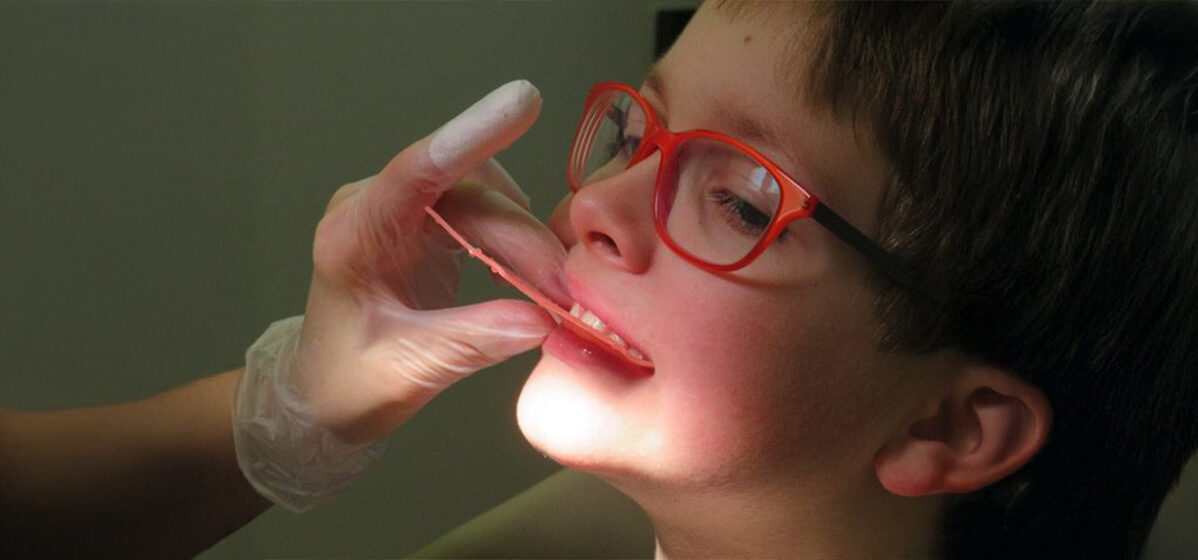
Undoubtedly, parents are now becoming more aware of their children’s oral health. Thanks to the ever-increasing information on the internet and the compulsory back to school dental checkups. Currently, the majority of parents know that taking care of their child’s dental health is vital. They do their best to prevent their children from getting the most common pediatric dental issues.
Tooth cavities or decay
More often than not, toddlers find it difficult to brush their teeth. As a result, they may not clean some parts of the teeth. Besides, we all know how children love eating candy. So, tooth decay and caries are among the major pediatric dental issues today. Mainly, the tooth cavity results from the accumulation of plaque on the tooth. Typically, this harmful substance erodes the white part of the teeth leading to tooth cavity or decay.
Now that you know this, always ensure you assist your children in brushing their teeth. Also, teach them on the proper techniques of cleaning their teeth. This way, you’ll prevent the formation of tooth decay. Make sure that your child brushes their teeth twice a day. If your child already has tooth decay, ensure you see a pediatric dentist. Otherwise, you’ll worsen the situation. Mostly, pediatric dentists will fix the cavity by filling it. Occasionally, the pediatric dentist will have to remove the tooth if the hole runs deep.
Dental accidents
Children are active and tend to play a lot. So, your child could experience a dental emergency from falling or hitting themselves. With children, dental emergencies are common. So, always keep in contact with your pediatric dentist. Suppose your child’s tooth gets cracked or falls out; contact your kid’s dentist right away. Otherwise, your child can experience severe pediatric dental issues. Also, supervise your child often to avoid dental emergencies.
Sensitive teeth
In some instances, your child may experience tooth sensitivity. Often, this condition causes a lot of discomforts. It would be best if you take your child to the kid’s dentist. There could be a hidden issue behind tooth sensitivity. Tooth sensitivity can result from the following:
- Tooth cavities
- Growth of adult teeth
- The wearing out of enamel
- Crooked or cracked teeth
- Wearing braces and other forms of orthodontic treatment.
Fortunately, there are many ways to solve the issue. Your pediatric dentist can administer pain treatments to ease the sensitivity. Suppose the dentist discovers an underlying problem like tooth decay, they will treat it. Immediately you notice your child has tooth sensitivity; it would help if you seek professional help.
Orthodontic conditions
At times, children experience orthodontic problems. They could either be severe or minor issues. So, whenever you notice an overbite, underbites, or overcrowded teeth in your child, book an appointment with your kid’s dentist. When it comes to orthodontic problems, the earlier they get identified, the better. The pediatric dentist may recommend specific treatment options like braces.
Canker sores
There are some cases where children develop canker sores. These are painful sores that occur on any part of the mouth, including the gums. They tend to recur but go away within a week. They make eating and talking difficult. Pediatric dentists often prescribe pain medicines to reduce the discomfort caused by canker sores.
Excessive use of pacifier and thumb sucking
It is common for children to use their pacifiers or suck their thumbs excessively. This habit is not suitable for a child’s oral health. It could cause an orthodontic issue known as an open bite. In turn, your child will need to wear braces. Pediatric dentists offer counseling sessions to help your child leave this habit.
Gum disease in children
Contrary to popular belief, gum diseases are also common in children. They are often accompanied by inflammation and swelling of the gums. Mostly, this condition will occur if your child never observes oral hygiene. You ought to prevent this disease by helping your children clean their teeth thoroughly. Nonetheless, if your child already has this condition, take them to the dentist. Pediatric dentists will recommend specific treatment options for gum disease.
Dental anxiety
The majority of children often get agitated by the thought of going for a dental checkup. They fear and get nervous, and this could affect their mood for a whole week. Therefore, it would be helpful if you take your child to a dependable pediatric dentist who can make them feel at ease. Also, ensure that the office of your pediatric dentist is child friendly.
Prolonged milk teeth loss
The milk teeth may take long before they shed. Well, on average, your child’s baby teeth may start shedding from the age of six. But if they get to ten years without any tooth falling out, seek professional help. It could be a sign of an underlying issue.
Bad mouth odor
Remember, the majority of children don’t know how to brush their teeth properly. So, they could have bad breath. But at times, this issue gets severe and could indicate a condition known as halitosis. Halitosis results from bacteria in the mouth that takes in any food particles in the mouth. As they do this, a substance called hydrogen sulfide gets produced. The hydrogen sulfide is usually the cause of bad breath. So, consult your pediatric dentist to fix this issue.
Conclusion
Today, many pediatric dental issues could affect children. The best way to avoid them is to ensure your child thoroughly brushes and cleans their teeth. Also, ensure that your child observes a healthy diet. Consequently, you’ll protect your child from the existing pediatric dental issues.
Tooth Decay- Why Do Childrens Teeth Decay?
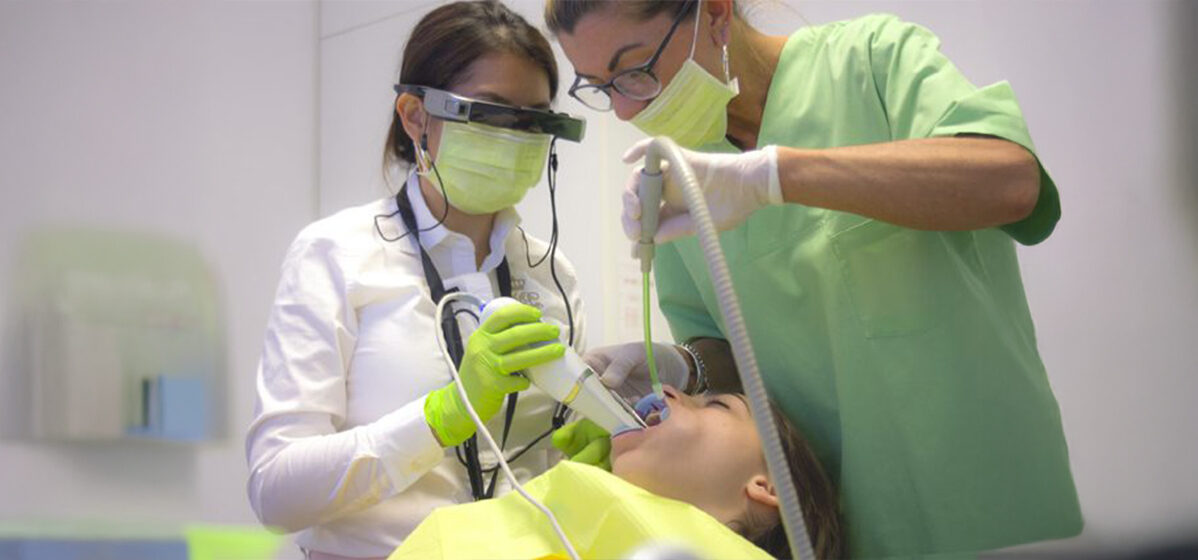
One of the most common oral diseases in children is tooth decay. Children find it hard to brush their teeth properly. As a result, this leads to the build-up of plaque in the teeth. Plaque eats away the white part of the tooth, known as the enamel. In turn, this causes tooth decay. So, it is advisable to take good care of your child’s oral health. This way, you boost your child’s overall health and reduce dental expenses. In this article, we discuss the leading causes of children’s teeth decay. Also, we discuss the preventative measures that can boost your child’s oral health.
A poor diet
Indisputably, children are candy lovers. So, if you don’t monitor what they eat daily, they could develop tooth decay. Besides, many other foods tend to lead to tooth decay. Always ensure that your child eats a healthy diet. It would be best if you came up with a food timetable for your child. Keep watch of the snacks they take both at school and home. Otherwise, your child will be more vulnerable to getting tooth decay. Excessive consumption of soft drinks and beverages could lead to decay. Get them to eat healthy vegetables and fruits. After letting them eat something sugary, ensure they brush their teeth to prevent the accumulation of bacteria. Additionally, after every meal, ensure they drink water.
Shared utensils
If you have tooth decay, avoid using your child’s utensils. You can pass the bacteria to them when they come in contact with your saliva. It is always advisable to buy separate utensils for your infant. Also, when tasting their food, use another spoon. Moreover, use clean water to wash their pacifier. Also, ensure your dental condition gets treated as soon as possible.
Health issues causing tooth decay
Some health issues could result in tooth decay. One of them is difficulty in breathing due to cold allergies. When your child experiences difficulty in breathing normally, they tend to breathe through the mouth. When they do this, they increase the chances of developing decay. But how? Saliva helps decrease the accumulation of plaque. When you breathe through the mouth, saliva’s flow reduces, thus increasing the risk of getting decay in their teeth.
Observing poor oral hygiene
Most children do not know the proper technique of cleaning their teeth. Also, they may not clean their teeth daily if not supervised. Create time to watch your child when he or she is cleaning their teeth. Moreover, ensure they floss their teeth. This way, they can eliminate the hidden particles behind the enamel and in the teeth spaces. When you leave a child to clean teeth by themselves, they can develop tooth decay.
How do you prevent tooth decay?
Make sure your child cleans their teeth daily
Once you observe the first baby teeth coming out, get prepared to clean them regularly. You can use a soft pad to clean them at least twice a day. When your child has fully developed baby teeth, ensure that you help them clean their teeth. Do this regularly, at least twice a day. Never forget to include flossing in the cleaning routine. Flossing helps to get rid of all unseen food particles between teeth. According to statistics, flossing will help to protect tooth decay by up to 35%.
Observe proper hygiene practices
When you have a toddler, buy separate utensils for them. Alternatively, ensure that you observe maximum oral hygiene if you use the same utensils with your child. Otherwise, you increase the risk of tooth decay in your child. In particular, if you have any dental problems, you can pass on the bacteria to your children. Consequently, they can develop decay. Furthermore, never forget to clean your child’s pacifier. Remember, it tends to fall, and this could affect the health of your child.
Clean the teeth of your 0-12 infant
Breast milk and formula contain certain sugars that can lead to the build-up of plaque in your child’s mouth. So, ensure that you clean your child’s teeth at least twice a day. Also, clean your toddler teeth every night before they go to bed.
Ensure your children eat a healthy diet exclusive of sugary foods
Diet plays an essential role in affecting your child’s dental health. So, avoid giving your child sugary foods. Instead, include healthy vegetables, grains, and fruits in the diet. If they desire to eat snacks, ensure that you give them healthy snacks like yogurt and berries. In case your child consumes sugary foods, ensure that they clean their teeth afterward.
Conclusion
In most instances, children are likely to develop tooth decay due to poor oral hygiene practices. Children are young and mostly don’t know the right way of cleaning their teeth. As a result, they are more prone to getting decay. So, it is essential to supervise your child while he or she is cleaning their teeth. Also, observe all the preventative measures of preventing tooth decay. Nevertheless, if your child already has this issue, book an appointment with your pediatric dentist. They know best how to treat it.
Visit our offices:
- Burke Pediatric Dentist
- Woodbridge Pediatric Dentist
How Do You Help a Child With Tooth Decay?

All parents should know that milk teeth are as essential as adult teeth. Thus, they should help their children in taking care of their baby teeth. This way, they can help them prevent tooth decay. This is one of the prevalent diseases among most children. This dental condition can lead to severe discomfort and affect your child’s performance in school. Therefore, it is crucial to identify and treat this condition early enough. Aside from that, how do you help a child with tooth decay?
How do you deal with baby bottle tooth decay?
In this present age and time, there are various treatment options for tooth decay. Each differs depending on the extent of the decay and the age of the child. Small children can develop baby bottle tooth decay. This condition usually appears as white spots on the tooth during the early stages. The white spots result from enamel erosion. At this point, pediatric dentists can prescribe fluoride treatments. Ensure the child consumes a healthy diet at this stage to prevent further decay. Note that all diet changes should get approved by your pediatric dentist.
How do you treat severe tooth decay in infants?
At times, baby bottle tooth decay can advance and lead to severe symptoms. At this stage, seek medical help from your pediatric dentist. Since the decay is usually similar to the normal tooth decay in adults, it gets treated like the usual decay. Your pediatric dentist can recommend a filling. This is often a hard substance placed on the cavity to cure and stop the decay’s spread. There are two major types of fillings. They include:
- Direct restorations. A direct restoration is often made from resin, silver, and acrylic acids. The pediatric dentist places the filling directly into the cavity. They resemble the color of the teeth.
- Indirect restorations. Pediatric dentists will require more than one appointment for this filling. Some of the types of indirect restorations include crowns and veneers. They resemble the white part of the teeth.
If the tooth has a deep cavity, the kid’s dentist may suggest getting rid of the tooth. The process involves a lot of discomfort and pain. So, the pediatric dentist uses anesthesia depending on the age of the child. Afterward, your dentist will recommend the best oral practices to prevent the issue from recurring.
Ways of preventing tooth decay in children
Clean and floss your child’s teeth
Children under one year should also observe proper teeth hygiene practices. Always use a soft clean cloth to wipe their teeth and gums. You can also invest in an excellent child-friendly toothbrush and toothpaste. At this age, use a toothpaste product with low fluoride content. Infants tend to swallow toothpaste, so avoid high content fluoride toothpaste.
After your child turns one, ensure they brush their teeth at least two times a day. You can start introducing high content fluoride toothpaste when your child can spit on their own. Never let them go to bed without brushing their teeth. This, in turn, helps your child prevent further tooth decay.
Give your child water with high fluoride content
If your child got treated for tooth decay, it would be best if you ensure they drink water with fluoride. Fluoride strengthens the teeth and will prevent further decay. If you are sure that your water does not contain fluoride, your pediatric dentists will prescribe fluoride treatment for your child. This substance goes a long way in preventing decay.
Monitor your child’s diet
Sugar is the leading cause of tooth decay. So, it would be best to eliminate all unhealthy and sugary foods from your child’s regular diet. Always monitor what your child eats. Avoid snacks like biscuits, cakes, and all types of candy. Instead, store up delicious fruits in your fridge that your child can grab whenever they are hungry. Also, yogurt is a healthy snack that your children can find enjoyable. Ensuring that your child consumes a healthy diet prevents decay and promotes healthy adult teeth. Suppose your child eats sugary foods, make sure they clean their teeth afterward. Also, ensure your child drinks water after meals.
Schedule frequent dental checkups for your child
Take your children for dental checkups. This is the only way your pediatric dentist can identify an underlying dental problem early enough. You can start taking your child to the dentist from the age of one. Luckily, most pediatric dentists will give you the best tips to maintain healthy teeth for your child. Moreover, the early they administer treatment, the better.
In summary
Nowadays, there are many ways you can prevent tooth decay. But if your child already has tooth decay, there are various treatment alternatives. The treatment your pediatric dentist will prescribe will depend on the severity of the condition and the child’s age. Severe decay will need tooth extraction and fillings. After treatment, you ought to observe various oral practices that boost your child’s oral health. Remember, you do not want the decay to recur. So, follow all the instructions given by your kid’s dentist.