Category: Uncategorized
Dental Checkups-Its Safe to Return to the Dentist Now
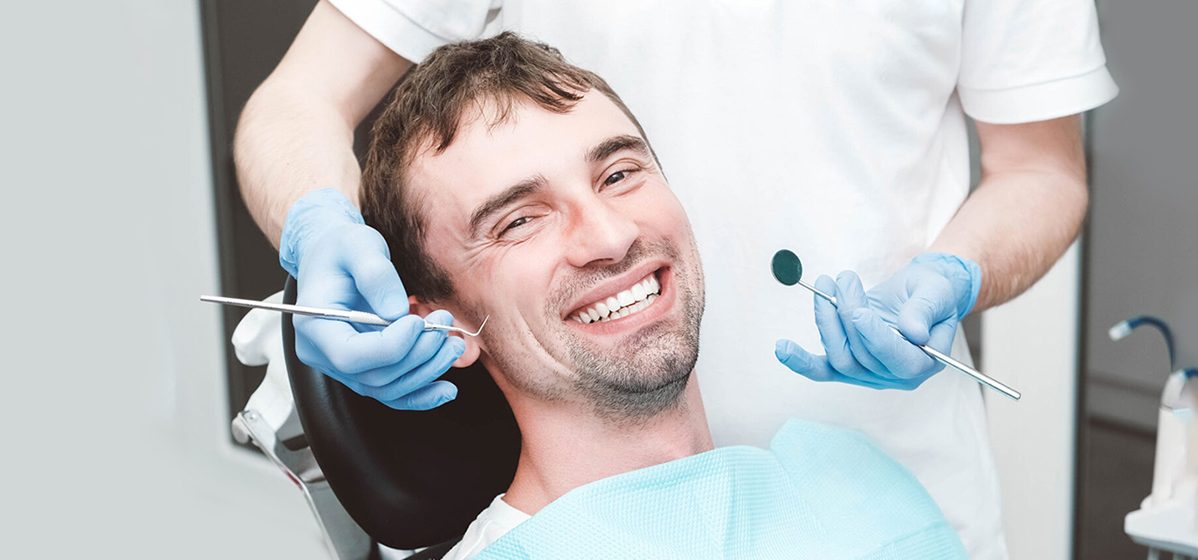
Last year, the global pandemic forced a good percentage of health institutions to close down. The majority of states were trying to reduce the number of COVID-19 infections. As a result, schools, recreational facilities, and dental clinics got closed. Now, the number of infections has significantly lowered as compared to last year. Therefore, the American Dental Association is now encouraging people to go for dental checkups. Since the start of the global pandemic, there has been an increased number of dental illness cases. Thus, it’s high time for people to go back for dental checkups. But is it safe to return to the dentist now?
Is the Dentist’s Office Safe?
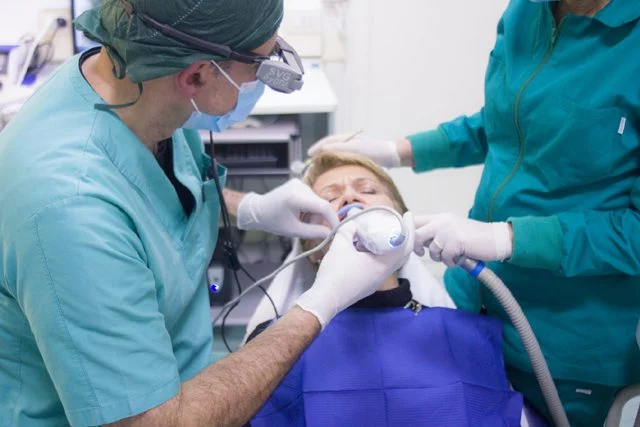
The American Dental Association issued specific safety guidelines for all dental institutions. All dental staff should follow these guidelines. This way, they’ll be able to maintain a safe environment for their patients. So, it is relatively safe to return to the dentist. There are low chances that you will get the coronavirus from your dentist’s office. Below are some of the reasons why the dentist’s office is now safe.
Disinfection of all surfaces and tools
Dental professionals are now disinfecting their surfaces from time to time. Doing this helps them clean all viruses present on the floor, among other surfaces. Most of them use a strong disinfectant solution to sanitize the surfaces. Therefore, you need not worry about contracting the virus at your dentist’s office during dental checkups.
Wearing protecting garments
Now, dentists are wearing more protective gears compared to before. This is because dentists often come close to you when working on your teeth. Thus, they have to protect themselves. Moreover, they have to ensure their patients wear protective garments as well. Therefore, you will need to wear your mask and wash your hands when entering the dentist’s office.
Spacing out appointments
Dentists are now spacing out appointments to prevent crowding in the waiting room. So, if you are planning to visit your dentist for dental checkups at this time, ensure you book your appointment early. Otherwise, your dentist might reschedule you to a later date. This way, you can still observe social distancing even at your dentist’s office.
Ask patients several questions
Before your dentists accept to have an appointment with you, they will require you to answer a few questions. First, dental experts will ask you about your health. They will try to find out whether you are suffering from any COVID-19 symptoms. As you enter your dentist’s office, the staff will check your temperature. Doing this will keep the dental environment safe for everyone.
Ultimately, all dental professionals are doing their very best to practice all COVID-19 safety measures.
Importance of going back to the dentist for dental checkups
Now that dental facilities are open, schedule an appointment with your dentist. Remember, your dental health is just as important as your overall health. Therefore, you need to make it a habit to get checked by your family dentist from time to time. Below are some of the reasons why you should schedule an appointment with your dentist.
Preventing future dental problems
Visiting your dentist regularly helps you identify and treat dental problems early enough. The earlier you identify a dental issue, the better. Remember, ignoring a dental problem can lead to the deterioration of your dental health. Additionally, note that treating a dental problem early enough is easier. You are less likely to experience a lot of pain or discomfort.
Saving your teeth
Failure to treat dental problems eventually forces you to remove your teeth. Regular dental checkups will help you treat a dental decay or cavity without having to implement extreme measures. Losing your teeth can affect your eating habits and normal lifestyle in general.
Getting the best dental hygiene tips
Very few people know how to take good care of their teeth. Visiting the dentist regularly enables you to get the best dental care tips. Consequently, you’ll be able to take good care of your teeth. Also, you can pass these practices to your children.
Boosting overall health
Good dental health generally enhances your overall health. Health experts report that some dental problems can lead to heart diseases and hypertension. Therefore, it is crucial to take care of your dental health. Seeing your family dentist regularly will keep your dental health in check. In turn, this will boost your overall health.
Treating bad breath
At times, bad breath can be a serious dental problem among most individuals. Although you might be observing the right oral hygiene practices, you might still find yourself battling bad breath. In such scenarios, visiting your dentist from time to time will help. They will prescribe the best treatment options to keep your breath fresh all day long.
Final thoughts
It is clear to see that visiting your dentist regularly for dental checkups is essential. Currently, COVID-19 cases are relatively low. Therefore, make a point of visiting your family dentist. You need not worry about getting the virus. Most dentists are now observing all COVID-19 safety measures.
Woodbridge Family Dentist – General Dentistry
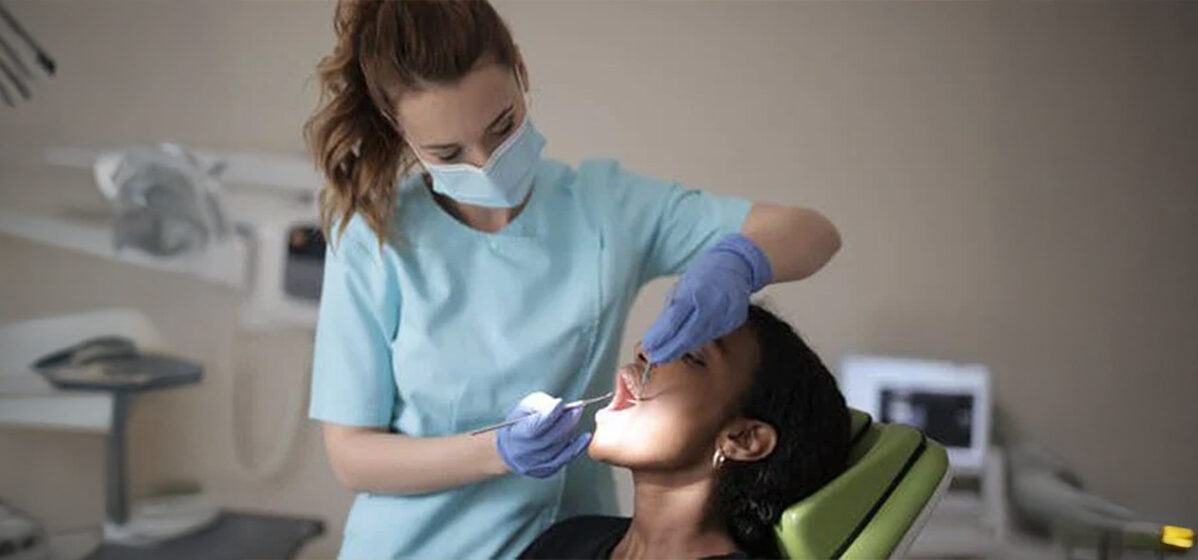
The expansion of the dental industry led to dentists with different specialties. Remember, there is a wide range of dental health problems that require different treatments. And it is always best to consult a dental practitioner with extensive expertise on a particular dental issue. For instance, if you have an orthodontic problem, it would be best to consult an orthodontist. Today, there are general and family dentists. A general dentist deals with patients of a particular age group and is more focused on treating dental issues. On the flip side, a family dentist deals with patients of any age group and helps prevent oral health issues. Often, family dentists walk with you throughout your lifetime; they evaluate your dental health at every stage of your life. Also, they prescribe the right treatment if you have any dental problems.
What is the difference between a family dentist and a general dentist?
Patient age group
Family dentists deal with patients of any age group, while general dentists often deal with a particular patient age group. As mentioned earlier, family dentists monitor your oral health at every phase of your life. The majority of general dentists don’t deal with toddlers; instead, they deal with adults. They always advise visiting a pediatric dentist if you have a small child. So, if you have children, you would instead go for a family dentist. However, if you want a quick dental examination, you can always visit a general dentist.
Dental specialty
Almost all dentists help their patients maintain and improve their oral health. Nonetheless, family dentists keep a close eye on all existing and current dental issues. Typically, family dentists help you prevent and identify plaque as early as possible. Moreover, family dentists make sure that all your teeth are in good shape, cavities get filled correctly, and you have healthy gums. Therefore, family dentists work more towards protecting your teeth compared to treating dental problems. And this is different for general dentists. General dentists are more focused on treating cavities, among other teeth problems.
Training and education
Undoubtedly, all health practitioners should have a certain level of training. In particular, both general and family dentists should have formal education and training. Both should complete professional dental training to qualify for any job. Both dentists should complete dental school first before choosing their areas of specialty. After selecting their specialty areas, they undergo different training. Thus, a family dentist will receive different training compared to a general dentist.
What does a family dentist do?
Typically, family dentists offer similar services compared to general dentists. Below are some of the services provided by family dentists. Identifying them would help you know what to expect with a family dentist.
Child dental issues
Since family dentists deal with patients of all age groups, they have experience in pediatric dentistry. Their offices are child-friendly, and they have the right equipment to handle child dental issues. Consider visiting a family dentist immediately your child’s teeth become visible. Furthermore, they will advise you on how to take care of your children’s teeth.
Mouth surgery
Family dentists also perform oral surgery. Thus, they can help you get rid of decayed teeth and replace them with another artificial set. With a family dentist, you are 100% safe when undergoing oral surgery.
Restorative dentistry
Another part of dentistry family dentists deal with is restorative dentistry. If you’ve lost a tooth or two, family dentists are one of the best people to contact. They are well knowledgeable about filling cavities conducting dental implants. If your teeth are seriously destroyed to the point you can’t smile or eat properly, visit a family dentist.
Cosmetic dentistry
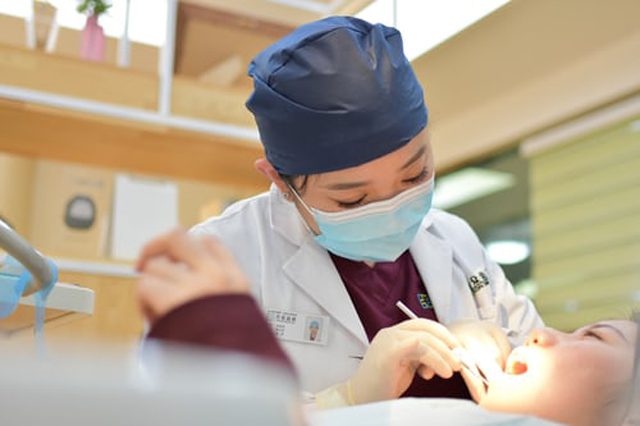
Family dentists also deal with cosmetic dentistry. If your teeth interfere with your facial appearance, a family dentist is the best person to consult. Family dentists offer professional teeth whitening procedures, veneer installation, and dental implants. Cosmetic dentistry is not a service you’ll find with any general dentist.
Prevents dental problems
One of the main functions of a family dentist is preventing oral problems. Family dentists are keener in identifying and treating dental issues as early as possible. So, when you visit a family dentist, expect a dental examination and professional dental cleaning service. Besides, they are also useful in giving you the best oral practices to observe.
What are the benefits of family dentistry?
- Since family dentists deal with patients of any age, you won’t have to switch dentists throughout your lifetime. Well, unless the need arises.
- Family dentists specialize in preventing dental health problems. Thus, they can help you boost your oral and overall health. A family dentist will also give you the right tips for maintaining your children’s teeth. Consequently, you improve your child’s overall health.
Family dentist vs general dentist
Very few people know the difference between a family dentist and a general dentist. It is essential to understand the difference between the two. Doing this helps you visit the right person when you encounter a dental issue. In turn, you boost your dental health.
Helping Your Teen Maintain Good Dental Habits

More often than not, maintaining your child’s oral health can be challenging. Think about it. Most parents are often clueless about when they should start taking their children to the dentist. Also, they might not know when their children start developing dental problems. However, note that parents must begin training their children as early as possible on the importance of oral health. Otherwise, their children would have difficulty maintaining good dental habits when they are in their teenage years.
First things first: Train your child from their early years
The main reason why parents find it challenging to help their teenagers maintain good dental habits is because they did not train them early enough. Immediately, you notice the first baby tooth, incorporate good dental practices. And when your kids are old enough to listen and understand, start training them on how they should clean and maintain their teeth. Observe the below practices:
- After nursing an infant, always use a clean damp cloth to wipe your child’s gums. Doing this helps you eliminate all microorganisms and prevent baby teeth decay.
- Once your child is a little bit older, show them how to brush their teeth using fluoride toothpaste and a child toothbrush. Even so, ensure that the toothpaste contains a minimal percentage of fluoride. You don’t want your child to swallow any fluoride since it might be harmful to them. Moreover, teach your child to floss their teeth as early as possible. When your child reaches eight years, they will have already mastered the best oral practices. It will be much easier to maintain good dental habits when they get to their teen years.
How to help teenagers maintain Good dental habits
Plan a healthy diet for them
The majority of children and teenagers are candy lovers. Thus, it would be best if you monitor your teenage son/daughter’s diet. Limit their consumption of sugary and sticky snacks. You can do this by packing healthy fruits instead of unhealthy snacks. Also, when it comes to drinks, ensure they consume yogurt instead of sugary juices. Train your children to consume a healthy diet from their early stages. Nonetheless, if your child consumes sugary foodstuff or liquid medicine, ensure they brush their teeth afterward. Consequently, this will prevent the build-up of plaque on teeth.
Take your teenager for dental examinations
Ensure you take your children for dental evaluations religiously. Do not skip back-to-school dental visits and any other checkups you might have. On average, ensure your teenager goes to the dentist at least twice a year. Professional dental examinations help you identify oral problems early enough. In turn, your dentist will identify any existing dental cavities, decays, and orthodontic issues. Not to mention, your dentist can recognize oral cancer during these examinations. Dental evaluations help your teenager’s teeth to stay in good condition.
Reward children for good oral care
If you want your teenagers to keep up practicing good dental habits, consider rewarding them. Doing this motivates them to do more. And it could be as simple as cooking their favorite meal or buying them their favorite book. For instance, you can promise to cook their favorite meal if they manage to brush their teeth twice a day.
Show them how to brush their teeth correctly
Unlike small children, teenagers are old enough to understand a lot of things. Ensure that they know how to brush their teeth properly. During dental visits, you can always request the dentist to advise them on cleaning their teeth. Additionally, purchase the right toothbrush and toothpaste for your children to keep their teeth in good condition. Also, show them how to floss their teeth after meals. Doing this will help boost your teenager’s oral health. In turn, they will stay healthy and do well in school.

Safeguard your child’s mouth using a mouthguard
If your teenager is usually active in sports, you need to protect your child’s teeth. Come to think about it. Your child can lose their teeth while playing or hurt his/her lips. Therefore, it would be best if you invested in a good mouthguard. Although it might be expensive, it will save you thousands of dollars in the long run. Also, think of investing with an excellent dental insurance company to cover the costs if anything happens.
Administer fluoride treatment
Fluoride is essential in strengthening your teenager’s teeth. Thus, ensure that your teenager uses a fluoride treatment and drinks water containing fluoride. Also, if you suspect that your child is not getting enough fluoride, consider fluoride supplements. Nevertheless, be careful; too much fluoride can be harmful to your teenager’s health. It would be best to consult your dentist before administering fluoride treatment.
Conclusion
Helping your teen maintain good dental habits will require you to train them as early as possible. Plan a healthy diet for them, and teach them how to brush and floss their teeth. Subsequently, you will boost their dental and overall health. Furthermore, do not forget to take your teenagers for dental checkups at least twice a year.
Visit our offices:
- Burke Pediatric Dentist
- Woodbridge Pediatric Dentist
The Coronavirus Vaccine And Dental Practices
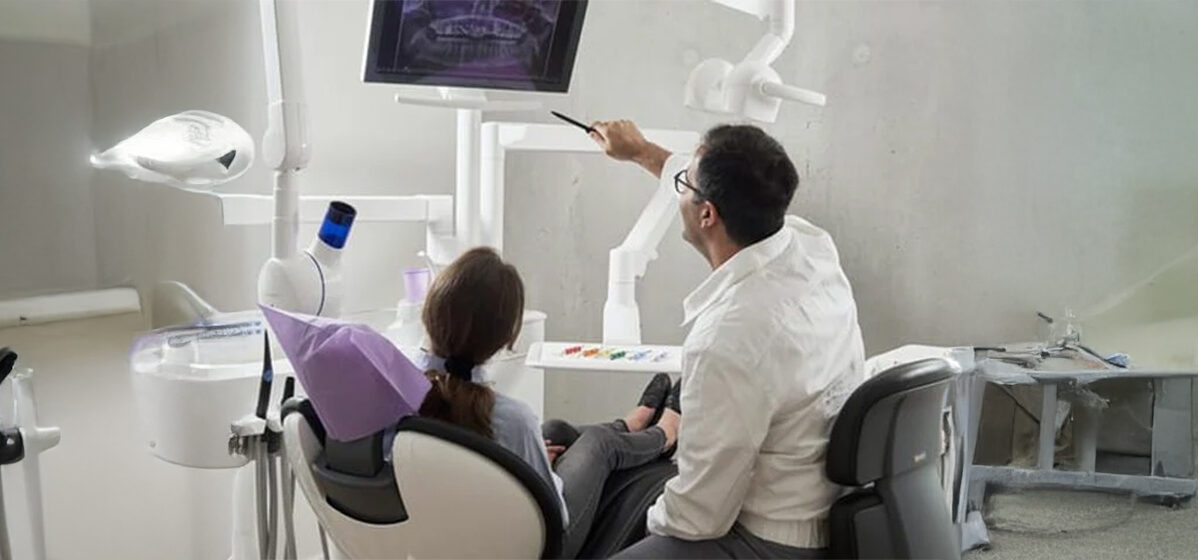
Today, the coronavirus vaccine is slowly becoming available nationwide. Even though things are gradually getting back to normal, the majority of patients are still cautious. Obviously the virus is still out there, and anyone can get it. Many patients nationwide have been so scared to contract the virus, that they’ve put out preventative care as well as emergency dental care. While the concerns of contracting the virus are legitimate, we take every precaution in our ofice. Additionally, we want to let patients know that making sure our staff all get immunized against the Covid-19 pandemic is our number one priority. As the immunizations become available, we will all be receiving them.
Consequently, this will be good for our patients as well. We want them to know that when they visit a Golden Pediatric Dental office that they are in safe hands. Several states are now giving dentists the authority to dispense the vaccine to patients. Our office is not one of the ones dispensing the vaccine. If you live in such a state, it would be best to ask your dental office about whether they are dispensing the vaccine.
Unquestionably, the correct vaccination will keep the deadly coronavirus under control. However, not everyone can receive a vaccination yet. Vaccines are being distributed in order of priority in Virginia, with first responders and medical personnel receiving the first doses.
Masks go a long way in preventing infections however, the vaccine is still the safest bet. There have been millions of infections across the globe, and still many thousands of people contracting the deadly virus each day. Therefore, experts consider vaccines the best solution for everyone, including those in the dental practice field is to receive the vaccine as quick as possible. We long for the day that we can tell all of our patients that each of our staff have been immunized against the Covid-19 pandemic. Til then, please know that it will be our first priority as they become available.
How Has the Pandemic Affected Your Child’s Dental Care?
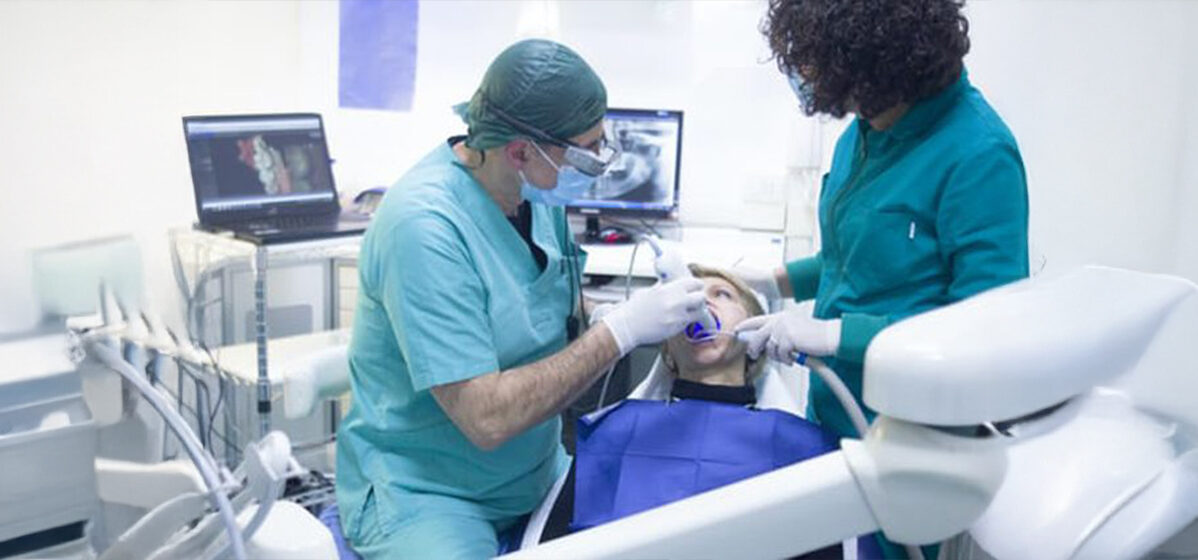
Indisputably, dental health significantly influences your overall health. So, going without dental care can lead to a wide range of infections and diseases related to chronic illnesses. As a result, it is vital to maintain good oral health. Currently, health experts highly recommend taking your kids for professional dental checkups at least twice a year. But last year, the majority of parents were unable to take their children for a dental visit. The reason for this is pretty much apparent. The global pandemic led to the closure of schools; hence back to school dental visits were no longer a thing. Besides, parents are afraid to acquire the virus from their dentists.
Based on previous statistics, almost half of parents do not take care of their kids’ oral health. “And this is not good, “says Dr. Jonathan Shenkin, the spokesperson of ADA. He proceeds to say, “Common teeth problems often start in the early years of one’s life. Parents should therefore make the effort of taking their children for dental visits. Besides, the measures observed by dental workers are proving to be effective. ”
Nonetheless, parents who went to dental clinics complained of long waiting times and failure to see the dentist. Even though they secured an appointment, most of them had trouble before having a face-to-face meeting with the dentist. So, what was the cause of all these delays?
Scarcity of dental care
“Following the COVID-19 pandemic was the random closure of dental clinics,” Shenkin says. Unquestionably, this was devastating for most individuals, especially for those with oral health problems. Consequently, small dental issues escalated and became worse by the time clinics were getting reopened.
Moreover, the increased demand for services led to a shortage of dental equipment. And this is a problem that dental care experts are currently facing. The American Academy of Pediatric Dentistry reported that there were inadequate N95 respirators to cater to all patients. “Also, dentists cannot accommodate a lot of patients in their clinics due to the COVID-19 restrictions, “says Shenkin.
Overcoming hurdles to get kids care they need
Some of the children in the United States used to get dental care from school. Thus, it was difficult for their parents to access other dental care services options during the pandemic, especially children who have the Children’s Health Insurance Program or Medicaid insurance. Very few dentists accepted such insurance covers hence causing many children to go without dental treatment.
Nevertheless, your child can receive dental care services in the middle of this pandemic. All you have to do is search for reliable dentists near your area who allow CHIP or Medicaid insurance. Use the dentist locator tool to find the most suitable dentists you can work with within your area.
Furthermore, the American Academy of Pediatric Dentistry offers free dental care services via the Give Kids a Smile program. Here, your child can get a professional dental checkup as well as the necessary treatment. So, there is no excuse as to why you should not take your child to see the dentist.
Aside from the ADA program, several health clinics offer cheap or free dental care services. Once you find the most suitable pediatric dentist, keep in mind that the experience might be different than before. Now, everyone in the healthcare sector is doing their best to prevent the transmission of COVID-19. So, pediatric dentists are using a powerful disinfectant spray and different treatments.
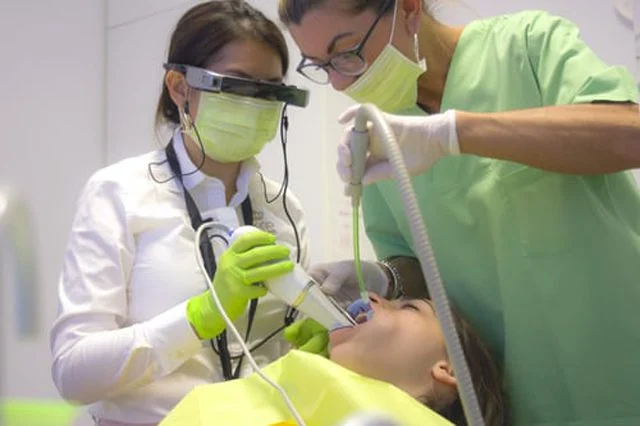
Maintaining good oral practices at home
One of the best ways of taking care of your children’s teeth is to go for frequent dental checkups. Through these visits, you get to learn how to maintain the best oral practices for your kids. Also, your children can learn how to clean and maintain their teeth. And we all know that the secret to strong, healthy teeth is maintaining good dental practices at home.
Shenkin says, “It always starts with limiting your child’s sugar intake. Sugar is the number one cause of dental cavities. So, avoid giving your kids candy and soft drinks. Instead, it would help if you gave them water or milk.” Of course, this may not be possible since kids love sugary stuff. So, if your child consumes sugary beverages or candy, ensure they brush their teeth immediately afterward.
Additionally, ensure that your child brushes their teeth at least twice a day with fluoride toothpaste and a small toothbrush. Shenkin states, “Cleaning your teeth only once a day puts you at a higher risk of getting dental decay.”
When all the teeth become visible, your child should start flossing. However, please do not leave them to do this on their own until they are about ten years.
Even so, it can be challenging to implement all these dental care practices amid this pandemic. I mean, as a parent, you are trying to balance work, family, or school. So, it is sometimes inevitable to forget. But make it a priority to take care of your child’s dental health. In turn, you boost the overall health of your child and protect them against tooth decay.
New Changes Coming to Golden Pediatric Dentistry & Orthodontics

To Our Wonderful Patients and Families;
It is with sadness that we announce the pending closure by July 2021 of “Camp Tooth”, our office located since 1995 in the town of Virginia. This decision did not come easily, but was precipitated by the January 2020 changes in the security protocols at the Dale City Marine Corps base gates; changes which made it difficult for non-military people to enter the base in order to get to the Town of Dale City – and thus our office. The effect has been a progressive decline in utilization of the facility, and hence the need to shift our practice there to our Woodbridge and Dale City offices.

Additionally, and of greater significance, we are also saying “good-bye” to Dr. Jones this summer, a key provider and figure with us since 1996. He has decided it is time to leave the practice of Pediatric Dentistry and enjoy the next years in retirement. We will be truly sad to see him go! However, we will fondly wish him all the best as he begins this next phase of life.
While these changes are significant, we will continue to see you and your children at our offices in Woodbridge, and Burke. Drs Golden, Dumlao, Hennigh, and Amante are continuing to practice at those locations.

Beginning in July, we will be joined by a new team member, Dr. Margaret Choi, who is completing her Pediatric Dental training at Harvard University’s program. She will be providing dental care for our pediatric and adolescent patients at both our Woodbridge and Burke offices. We are thrilled she has chosen to join our group, and look forward to her meeting each of you and your children.
In closing, we thank you for choosing our offices, doctors, and team members as your and / or your child’s dental and orthodontic providers. We appreciate each of you every day, and look forward to seeing you or your child at your next dental or orthodontic appointments!
Sincerely,
The Doctors and Team Members of
Golden Pediatric Dentistry & Orthodontics
How to Floss With Braces

Today, almost half of the population has embraced orthodontic treatment. Thus, braces are now more common. The thought of wearing braces can be daunting. Often, if you have braces, you have to incorporate extra tooth maintenance tips into your lifestyle. Cleaning your teeth while you have braces on is not a walk in the park. Orthodontists usually recommend certain brushing and flossing practices when you are wearing braces. You should never fail to floss your teeth if you have braces. Remember, braces tend to bring teeth close to each other. Thus, an ordinary toothbrush won’t reach all the food particles between the teeth. Only floss would be able to clean these areas. Flossing also helps you avoid the most common dental problems like cavities and gum diseases. So, how do you floss with braces?
Floss threader
Another flossing device that your orthodontist will recommend is a flosser threader. If you have been to a dentist, you must have seen a flosser threader. It incorporates a thin thread that allows you to run it in between your teeth smoothly. You can always find this appliance at a supermarket or your dentist’s office.
How to use a floss threader to floss with braces
- When using a floss threader, find and pull the thread from its floss container.
- Then, hold the floss threader firmly and use your fingers or finger to encompass the thread in between each tooth. Move the thread in an upward and downward movement to get rid of all food particles. Do this carefully for each tooth. Also, focus on the gumlines, across the brackets, and behind the brace wires.
Using a Waterpik or an oral irrigator
One of the ways to floss your teeth is by using an oral irrigator. What this oral appliance does is that it thoroughly cleans the area between your teeth using water. Unlike the standard tooth cleaning procedure, the Waterpik reaches the area near and beneath the brackets. So, how do you use regular Waterpik?
How to floss with a Waterpik
In most cases, an oral irrigator contains a place to fill water. Since the appliance is a water flosser, the first step would be to fill the Waterpik with water. Feel free to mix the water with an oral solution or mouthwash suitable for your teeth.
- Then, go to the sink area, or basically where you brush your teeth. Bend towards the sink and put the end part of the floss in your mouth.
- Switch on the Waterpik and close your mouth. This way, you can hold the water flosser in your mouth and allow it to perform its function. Even so, don’t swallow the water. Gently let the water cascade from your mouth to the sink.
- Use the Waterpik to floss every part of your teeth and the areas around your gumline.
- Feel free to brush your teeth when flossing. Doing this would help you eliminate all the food particles.
- Continue flossing your teeth until you complete flossing each tooth.
- After you complete this process, get rid of the remaining water in the Waterpik and allow it to dry. Then, store it in a cool, dry place.
How to use dental tape to floss with braces
If you have just started to floss with braces, you may experience inflammation at times. But with time, your teeth will get used to it. Alternatively, use dental tape. This oral device is smooth and gentle on the teeth. Thus, it is perfect for people with sensitive gums and teeth.
Practices to observe when you floss with braces
Avoid using tooth whiteners
When you have braces on, avoid using tooth whiteners. So, if you are using a teeth whitening toothpaste, please save it for later. But why? Teeth whitening toothpaste tends to reach the area underneath the brackets. Thus, after two to three years, your teeth would have some discolorations when you remove your braces. As much as you floss with braces, you would notice some discolorations.
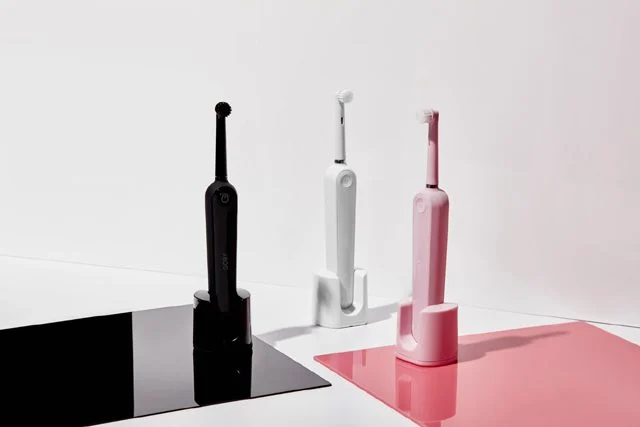
Use an electric toothbrush
Consider using an electric toothbrush if you have braces. They are more user-friendly and effective. But always consult your orthodontist before purchasing an electric toothbrush. But if you decide to buy one, note that they are more expensive than the regular toothbrush.
Clean your teeth regularly
Besides using the right oral devices to floss with braces, always clean your teeth regularly. Brush your teeth at least once a day. Also, it is best to book professional tooth cleaning appointments with your dentist at least four times a year. This way, the area around your brackets will stay clean.
Summary
Braces are unique oral devices that can correct a wide range of orthodontic problems. But wearing braces comes with both high initial and lifetime costs. When you are wearing braces, there are various cleaning techniques you’ll have to incorporate. One of the significant teeth cleaning procedures you’ll have to incorporate is flossing. Several appliances can help you floss with braces. Each includes a unique process. So, when buying a flossing device, ensure you follow all your manufacturer’s instructions when using it. In turn, you’ll shorten the treatment period.
What Causes Cavities?

Dental cavities are one of the primary oral health conditions faced by both adults and children. Often, you can recognize a dental cavity in your teeth as a black hole. There are numerous causes of dental cavities. But the leading cause of a dental cavity is sugar. Typically, dental cavities form when there is an accumulation of bacteria in one’s mouth. More often than not, bacteria get caused by sugary foodstuffs and poor oral hygiene practices. In this article, we take a look at the major causes of dental cavities today.
How can I identify a dental cavity?
But first, let’s look at the signs and symptoms of a dental cavity. During the early stages of cavity formation, you rarely experience any symptoms. But after some time, some of the signs you may have include:
- General toothache. Mostly, you may feel pain out of nowhere and for no apparent reason. This may be the first indicator of a tooth cavity.
- Having sensitive teeth. Whenever you take something hot or cold, you might feel uncomfortable. Also, your teeth may react to certain sounds.
A dental cavity appears as a visible black hole on the tooth. Once you see this hole, seek professional help from a dentist.
The major causes of tooth cavities
Unhealthy foods and drinks
When you consume certain foods, they tend to get stuck on your teeth. in particular, candy and other sugary foods stay on the tooth enamel for quite some time. So, if you don’t clean your teeth immediately after taking something sugary, plaque gets formed. Plaque comes about when sugar comes into contact with the teeth. It builds up and wears out the tooth enamel. In turn, a hole or cavity gets formed on your tooth surface. So, avoid chocolate, sweets, ice cream, and soft drinks with sugar. Aside from sugary foods, crunchy foods also cause tooth cavities.
Eating frequently
In case you didn’t know, continually eating snacks and foods increases your chance of getting dental cavities. Once you consume food frequently, more acid gets produced in the mouth. The acid is not suitable for your teeth. It gradually wears away the tooth and can cause a dental cavity. So, drinking your soft juice or soda slowly for a long time can lead to dental cavities.
Breast milk and infant formulae
In infants, the leading cause of dental cavities is lack of proper oral hygiene. Most infants take their milk or formula before they go to bed. Very few parents would bother to wipe their teeth with a clean cloth. As a result, bacteria can accumulate and lead to a dental cavity.
Poor teeth cleaning techniques
Poor teeth cleaning techniques are also a significant cause of dental cavities. When you go to bed without cleaning your teeth, bacteria tend to accumulate on your teeth and cause dental cavities. If you don’t floss your teeth, you will likely encounter a dental cavity at one point in time. So, make sure you brush and clean your teeth at least twice a day.
Inadequate fluoride intake
Fluoride is useful for strengthening teeth. That’s why most toothpaste contains fluoride. Ensure you use fluoride toothpaste because your teeth need the mineral. Fluoride plays a massive role in preventing teeth cavities. Also, you can always use fluoride water when brushing your teeth. Alternatively, your dentist can prescribe fluoride supplements for you. If your teeth do not get many fluorides, you are likely to experience a dental cavity.
Age group
There is a certain age where you are prone to getting a dental cavity. Mostly, children and teenagers experience dental cavities more than any other age group. Additionally, as you grow older, the teeth become prone to dental cavities. Also, the majority of older adults are usually under medication. Some types of medication contain acid and are harmful to the teeth.
Reduction of saliva
Another cause of a tooth cavity is dry mouth. Dry mouth often results from various factors. It could be due to certain medications and illnesses. What happens is that the production of saliva gets reduced. Thus, the mouth becomes more acidic, and this increases the risk of getting a cavity.
Heartburn and vomiting
If you experience frequent heartburn, you are likely to develop a tooth cavity. Through heartburn, acid gets transported into your mouth. The acid is not good when it comes into contact with your teeth. It erodes your enamel and can damage your teeth. The same happens when you continuously vomit. Vomit contains acid, and it passes through your mouth. So, after some time, you can experience a dental cavity due to consistent heartburn and vomiting. In most instances, constant vomiting can be a result of an eating disorder or a specific illness. Besides, an eating disorder can also tamper with the generation of saliva, thus cause dental cavities.
Summary
There are so many causes of teeth cavities. Today, the primary cause is consuming sugary foodstuffs. Other causes include poor oral hygiene practices, age, and dry mouth. All in all, you can prevent dental cavities by eating healthy and cleaning your teeth as often as possible. Also, scheduling dental checkups frequently would help in detecting and treating dental cavities early.
What Is A Pediatric Dentist?

The majority of parents prefer taking their children to a pediatric dentist instead of the standard dentist. Undoubtedly, doing this benefits your children. They are specially trained to deal with children. So, if you think they perform the same function as regular dentists, you are mistaken. Think about it. Since these professionals deal with small children, they use different dental equipment to carry out their work. Also, their office environment is child-friendly. Typically, a pediatric dentist understands children better. Besides, they are in an excellent position to treat any dental condition in children.
What is the best age of taking my child to a pediatric dentist?
Taking your child to see a pediatric dentist is very important. This is the only way these professionals can detect and treat dental conditions at the early stages. They can deal with children of even six months. However, if your child does not have any visible dental disease, take them for a checkup when they reach six years. When you do this, you can always get the dentist’s best oral hygiene tips to incorporate. In turn, you’ll be able to avoid the most common dental issues in children.
What are the professional qualifications of pediatric dentists?
Pediatric dentists are different from regular dentists. They undergo a professional dentistry course that specializes in treating child dental issues. The training usually takes a maximum of four years. So, a pediatric dentist is different from a standard dentist. They may not know to deal with specific issues in adults.
The functions of a pediatric dentist
Some of the things that a pediatric dentist does include:
Performing dental evaluation
All pediatric dentists can conduct a dental examination on children as young as six months. They can conduct x-rays and perform a physical exam on children. As a result, they identify any upcoming dental cavities, among other dental conditions. During dental examinations, a pediatric dentist can identify severe oral diseases like oral cancer. So, it is always good to take your child to a pediatric dentist when they are young.
Issuing fluoride supplements and sealants
The professionals have the right to prescribe fluoride treatments and sealants on children. If they notice that your child’s teeth are weak, they are likely to provide fluoride supplements. Also, they prescribe sealants whenever they want to safeguard your child’s teeth from any dental conditions. Not to mention, a pediatric dentist offers the best advice when it comes to taking care of your child’s teeth. Often, both parents and children do not know how to clean and take care of milk teeth. You can always count on your pediatric dentist to give you the best advice.
Professional counseling
Aside from treating dental health conditions, they offer to counsel to children in some cases. For instance, if you can’t get your child to stop sucking their thumb or using their pacifier, pediatric dentists can help. They know best how to counsel your child so that they may stop practicing bad oral habits. We all know the adverse consequences of excessive pacifier and thumb use. These habits can result in serious orthodontic problems.
Treating and managing dental conditions
Pediatric dentists help you manage any oral condition that your child may have. Whether a gum disease or an orthodontic problem. Once they conduct their dental examination, they will detect and treat an oral condition immediately. In case your child is too young to undergo treatment, they will help you manage the dental disease until your child reaches the right age of undergoing treatment.
How old are pediatric dentists’ patients?
Pediatric dentists are highly qualified to deal with children of 0 years of age to 18. The reason for this wide range is because most children start treatment from an early age. By the time treatment is over, they are in their late teenage years. Besides, changing dentists for your children is not such a good idea. So, start taking your child to the pediatric dentist from age six.
Additionally, take back to school dental checkups very seriously. Remember, oral health affects overall health. So, if your child has a dental, they may not perform well in school. As long as your child is not past 18, you can always take them to see a pediatric dentist.
The advantages of a pediatric dentist
Often, you can always find these professionals in health institutions, schools, and dental facilities. They not only deal with dental conditions in children but also conduct dental research. This way, they can advise you on the best ways to take care of your children.
In conclusion
Pediatric dentists are essential people in society. They help in boosting a child’s overall health. They take part in conducting dental evaluations and prescribing oral treatment. So, if you have a child, ensure you take them for a checkup. This way, your pediatric dentist can diagnose and treat any dental condition before it gets worse. Not to mention, taking your child to a pediatric dentist is much better. I mean, your child is less likely to throw tantrums due to the child-friendly environment and staff.
How to Teach a Child to Brush Teeth

Indisputably, dental cavities are one of the most common conditions in children. There are many causes of dental decay in children. But one of the leading causes is poor oral hygiene. Come to think about it. The majority of children barely know how to clean or take care of their teeth. Consequently, they may not be able to reach all the inaccessible areas in between the teeth. Bacteria, therefore, tend to accumulate on the teeth and lead to decay. As parents, it is good to teach your child to brush teeth.
You can always source the best tooth maintenance tips from your pediatric dentist or through dental blogs. Above all, ensure your child observes the best dental hygiene practices.
When should I start teaching my child to brush teeth?
The first question for each parent would be, ‘when should is tart brushing my child’s teeth?’. Well, dental experts recommend cleaning your child’s teeth as soon as teeth start to sprout up. When they are infants, use a clean wet cloth to wipe your child’s teeth. Do not let them sleep without cleaning their teeth. Milk and formulae can get stuck on the teeth and lead to the accumulation of bacteria. As a result, your child can experience dental issues at a very early age. With time, you have to teach the child to brush teeth. It would be best to ask your pediatric dentist about the right cleaning techniques. Then, you can pass them on to your children. Additionally, ensure your child brushes their teeth at least twice a day.
Teaching your child how to brush teeth
Step one
The first step would be to buy a baby toothbrush for your child. The toothbrush should be gentle and easy to use. It should also be small to fit the child’s mouth. The toothbrush should also incorporate an angle for easier use. After you get the toothbrush, show your child how to apply toothpaste on the toothbrush. Ensure that you show them the correct amount of toothpaste.
Step two
Then, you can proceed with showing your child how to use the toothbrush inside the mouth. It would typically help if you slid the toothbrush in a gentle motion across the teeth and gums. Do this in an upwards and downward movement. Show your child that they should gently scrub every tooth, both on its front side and backside.
Step three
While brushing your child’s teeth, ensure you show them how to reach the lower and upper jaw’s farthest teeth.
Step four
Show your child how to scrub their tongue to get rid of all dirt gently.
Step five
Ensure that the child thoroughly rinses their teeth. Inadequate tooth rinsing can cause foul mouth odor. So, show your child how to gaggle and spit the correct amount of water in the sink.
Teaching your child how to floss teeth
Aside from brushing your child’s teeth, ensure they floss regularly. Flossing is essential to get rid of all inaccessible bacteria between the teeth that could cause the buildup of plaque. So, show your child how to floss daily. So, how do you do this?

Step one
Show your child how to hold the flossing device firmly using their index finger and thumb. Then, show them how to spread out the thread from the flosser to the mouth. Show them how to slide the flosser in between the teeth in an upward and downward movement. Ensure that they apply gentle pressure when doing this. Otherwise, they can hurt themselves.
Step two
Ensure that your child does not get tired of reaching each tooth. Let them floss in between each tooth and slide the floss along the gumline. This way, they can get rid of all food particles. Keep in mind that your child should use a different floss threader for each tooth. Otherwise, there could be a transfer of bacteria or plaque from one tooth to another.
Standard oral hygiene practices for your child
- Often, parents should supervise their children when they are brushing their teeth. Make sure that the child cleans all their teeth and tongue.
- Make sure your child brushes at least twice a day—both in the morning and in the evening. Also, in case they consume sugary foods, ensure they brush immediately. When sugar stays long on the teeth, it causes the buildup of plaque. Plaque leads to tooth decay.
- It will help if you use an electric toothbrush for your child. They are much more user, friendly, and effective. All your child has to do is pass the electric toothbrush across each tooth.
- Always buy a new toothbrush for your child after every three months. An old toothbrush functions less effectively.
In summary
When your child reaches a certain age, it is always good to train them to brush their teeth correctly. If you teach your child to brush teeth, you make them more immune to dental diseases like tooth decay. Moreover, teaching your child to brush teeth properly will help them observe good oral hygiene even when they are much older.
Visit our offices:
- Burke Pediatric Dentist
- Woodbridge Pediatric Dentist