Category: Uncategorized
How Bad Oral Health Affects a Child

The condition of oral health affects the physical, mental, and emotional well-being of a child. Poor oral health goes beyond, causing tooth decay and gum diseases. In fact, it could lead to terminal illnesses. Typically, oral health affects overall health. In this article, we look at some of the effects of bad oral health.
Tooth decay
Bad oral health can result in tooth decay. This condition results from the accumulation of plaque in the mouth. Excessive plaque tends to wear out the enamel causing a hole, often referred to as tooth decay or cavity. The condition is mostly caused by poor diet and sugary foods. Also, poor oral hygiene practices could lead to tooth decay. Since most children are not aware of their health, they are prone to getting tooth decay. This dental disease causes pain and discomfort and can affect your child’s well-being. Tooth decay is usually accompanied by pain.
Consequently, your child will have a hard time concentrating at school. In turn, their overall performance at school will decline. Besides, your child is likely to miss out on several school days due to dental appointments. Ultimately, ensure your child observes the best oral hygiene practices and eats a healthy diet to avoid tooth decay.
Gum disease
Bad oral health also leads to gum diseases. Most gum diseases have severe symptoms like bleeding and swollen gums. Thus, they give children a hard time when chewing and cleaning their teeth. Even so, this condition can get treated. But you have to seek medical help.
Digestive issues
Once your child has bad oral health, they could encounter difficulties in chewing and swallowing. For instance, if your child has an orthodontic problem or a painful dental problem. They could have a hard time eating. If they do not chew correctly, this will affect their digestive system. As a result, they can experience ingestion and belly discomfort. Other severe symptoms resulting from this include vomiting and gastric issues.
Low self-esteem
If your child has an orthodontic problem, their self-esteem could get affected. Remember, these children are aware that their smile may not be as good. For instance, if your child has an underbite or open bite, they may not be confident enough to smile. This can affect their overall performance at school since they won’t want to associate with other children. So, if your child has an orthodontic problem, seek help from a professional orthodontist. They can rectify this problem by merely prescribing brace treatment.
Issues with speech
Bad oral health can contribute to issues with speech. In particular, some orthodontic problems significantly affect one’s speech. For example, an overbite or underbite can affect how your child pronounces certain words. As a result, your child will tend to withdraw from social groups both at school and home. Undoubtedly, this is likely to affect their academic performance and confidence. It would be best to look for orthodontic treatment from a professional.
Severe illnesses resulting from bad oral health
Heart disease
When your child has bad oral health, they have high chances of contracting heart disease. If your child has excess bacteria in the mouth, it could pass down to the bloodstream. These same bacteria can travel to the arteries. Consequently, it can form plaque around the arteries and lead to severe heart conditions. In fact, this increases the chance of getting a heart attack. Yes, so, a terminal illness could result from gum disease. Thus, it is vital to ensure your child observes all the proper oral hygiene practices to prevent plaque build-up.
Dementia
If your child has several untreated oral health problems, they could lead to dementia. In particular, if your child experiences gum disease, see a pediatric dentist immediately. Otherwise, swollen gums tend to release a specific substance that affects the brain. As a matter of fact, this substance can destroy brain cells. In turn, this could lead to memory loss. Even worse, it could lead to Alzheimer’s disease.
Respiratory diseases
Bad oral health tends to affect a child’s respiratory health. As seen earlier, if there is an excessive build-up of bacteria in the mouth, it travels to other parts of the body. At times, bacteria can travel to the lungs and cause a build-up of plaque. As a result, your lungs get hardened, and you can quickly get respiratory infections.
The bottom line
Maintaining good oral health goes a long way in preventing further health complications in your child. So, it is essential to adhere to all back to school dental check-ups. In fact, take your child for a dental evaluation at least twice a year. Oral health affects your child’s overall health. So, if you want to boost your child’s emotional, physical, and mental health, ensure that their oral health is in check. Otherwise, bad oral health could lead to low self-esteem and poor performance at school. Even worse, bad oral health is one of the main contributors to terminal illnesses like heart diseases and dementia. Moreover, ensure, you observe all the proper oral hygiene practices to boost your oral health.
Visit our offices:
- Burke Pediatric Dentist
- Woodbridge Pediatric Dentist
Back to School Dentist Visit Reminders: Start the School Year with a Smile

At the beginning of every new school term, parents are always in a rush to tick off everything in their back to school checklist. But should they include a back to school dentist visit? A back to school dental appointment will help your child stay healthy throughout the entire school term. Besides, there is a broad spectrum of benefits accompanying dental checkups.
Why Is It Important to Get Your Child in for a Back to School Checkup?
Summer holidays are the best time to relax, enjoy, and have fun with your family. Also, it is the best time to schedule a back to school dentist visit for your children. Don’t wait to schedule your appointment one week before school opening. Instead, schedule the dental checkup one month before the end of summer. Undoubtedly, every parent wants their child to be fresh and ready upon starting the new school term. The American Dentist Association recommends visiting your dentist at least twice a year.
Advantages of a back to school dentist visit
1. Regular dental checkups prevent gum diseases in your children:
Frequently, most parents find it hard to detect gum diseases in their children. Gum diseases usually have no symptoms. But pediatric dentists can identify almost all dental conditions during a dental checkup even during its early stages.
Pediatric dentists will ensure that your child’s gumline is steady. They also look out for any soreness or redness in the gums. Suppose they find sunken or red gums; dentists will administer treatment as soon as possible. If the gum disease has led to further complications, they will refer your child to a general practitioner for evaluation. In most instances, your child’s dentist will recommend certain oral practices to get rid of gum diseases.
2. Dental visits protect your child against tartar, cavities, plaque and tooth decay:
Once you take your child for a dental checkup, the dentist can perform X-rays to point out any underlying problems. Additionally, your dentist will conduct a tooth cleaning procedure to eliminate any stubborn bacteria on the teeth.
During the checkup, the dentist can identify any possible signs of dental cavities and decay. Additionally, pediatric dentists can identify and treat any tooth discolorations.
Moreover, a professional tooth cleaning gets rid of tartar and plaque. As a result, the procedure will safeguard teeth against dental diseases like caries caused by the accumulation of bacteria in between the teeth. So, ensuring your child gets a professional tooth cleaning procedure is essential.
3. Routine checkups help pediatric dentists check for oral cancer:
Besides identifying common dental problems, a pediatric dentist can check for oral cancer. Even in its early stages, dentists can pinpoint the signs of this terminal illness. The earlier it gets identified, the better. Therefore, it is crucial to take your child for a dental checkup. When left untreated, oral cancer can threaten your child’s life.
But how do dentists detect oral cancer? Usually, dentists perform a VELscope evaluation. During this procedure, they search for dead tissues resulting from tumors using a particular light. It should not be a painful process, and it roughly takes a maximum of two minutes. If you take your child for regular dental checkups, they have a minimal chance of having a prolonged oral condition.
What Will the Pediatric Dentist Do During the Appointment?
A back to school dentist visit allows you to present all your queries to the pediatric dentist. In case you noticed some abnormalities in your child’s oral health, this is the ideal time to present the issue. Furthermore, borrow some oral hygiene tips from your child’s dentist. Discuss some bad habits your child needs to stop and how to do this. Also, allow the pediatric dentist to walk you through the whole dental checkup procedure to get a rough idea of what to expect. You can also let your child ask the dentist any questions. In turn, this will help him or her be calmer and feels more self-confident.
Dental Examination and Cleaning
During the back to school dentist visit, the dental expert does an overall examination of your child’s dental health. Pediatric dentists conduct X-rays to check the condition of the teeth, gums, and mouth. A professional tooth cleaning process is also done to make sure all harmful bacteria get eliminated in between the teeth. Whenever your child gets diagnosed with a dental problem, the dentist will prescribe appropriate treatment.
Sealant Treatment
Suppose you want to safeguard your child’s teeth, using a sealant is a good idea. So, during the back to school dental visit, ensure you present this matter to your dentist. They will be more than happy to advise you on the best sealants and answer all the questions you may have.
Teeth Whitening
Some children experience teeth discolorations due to a variety of reasons. In the back to school dentist visit, the pediatric dentist can recommend a teeth whitening process. Teeth whitening boost your child’s self-esteem while enabling him or her to get good grades in school.
Conclusion
Parents should never forget to include a back to school dentist visit in their summer to-do list. Dental checkups are essential as they help identify hidden dental issues as well as prevent them. During the checkup, address any questions you may have. Also, allow your pediatric dentist to take your child through the procedures in the back to school dentist visit package.
Why It’s Important to Schedule a Back to School Checkup for Your Child

Towards the end of summer, parents should schedule a back to school dental visit for their children. Besides purchasing new shoes and books, ensure your child’s dental health is good. Dental experts recommend taking your child for a back to school checkup for at least twice a year. Consequently, pediatric dentists will identify existing dental problems earlier. Your children will, thus, begin their school term on a clean slate and become A students.
“Routine dental checkups plays a huge role in keeping children at school throughout the school term.” Dr. Alan Golden.
Early Detection of Problems
Back to school, dental checkups allow dentists to point out dental issues at an early stage. This way, they can administer treatment earlier. “Academic performance has a positive relationship with dental health,” Mayfield says.
Most dental diseases have terrible symptoms that affect the concentration of children. Some symptoms include inflammation, soreness, severe headaches, difficulty in chewing, and pronunciation problems. Dental illnesses play a significant role in contributing to school absenteeism. So, ensure your child does not miss class hours by taking them to a back to school checkup.
But what should you expect during a dental checkup? Your child’s dentist will conduct specific procedures depending on your preference and budget. Nevertheless, some of the most common processes include teeth cleaning and X-rays. Additionally, pediatric dentists will ensure your child is cleaning their teeth thoroughly. Expect to spend at least one hour in the dentist’s office. Even so, the results of a back to school checkup are worth the money.
Keeping Bad Habits in Check
A back to school dental checkup can help you monitor your child’s bad dental habits. Often, most children don’t observe healthy oral practices and could get a dental disease without knowing. Some of the bad habits identified by pediatric dentists include:
- Biting nails
- Thumb sucking
- Excessive pacifier use
- Jaw clenching
- Chewing sweets and teeth grinding
Parents may not be aware of the harmful effects of such habits. So, a back to school dental checkup will be informative for you, and it will help you keep your child in check.
Once you take your child for a dental appointment, the dental expert can notice the damage caused by bad habits. For example, if your child has an open bite, it could be from the excessive use of pacifiers. Therefore, once you are aware of these bad habits, do your best to alter your child’s lifestyle habits. Fortunately, the pediatric dentist can solve any problem caused by inadequate oral practices.
Dentists examine the condition of the Head, Neck, and Lymph Node Checks.
Besides checking your child’s teeth, gums, and mouth, most pediatric dentists will look out for any signs of oral cancer. Additionally, they will evaluate the condition of your jawline and lymph nodes. This helps them identify abnormal soreness or redness in these areas. If they find a problem in these areas, they can refer you to a medical expert. Alternatively, they can solve the problem themselves if possible. Identifying such diseases early enough improves the chances of the problem getting eliminated in the long run.
Dentists can provide help and advice specific to your needs
Nowadays, people tend to search for answers and solutions to their problems through the internet. The internet is a great place to learn, but it also holds a ton of misleading information. Put in mind that a dental expert has extensive experience in various dental issues. Additionally, they are highly trained to pinpoint, treat, and prevent dental illnesses. Instead of trying to figure out the solutions to your child’s dental diseases, make an effort to visit the dentist. This way, your child can receive personalized treatment. So, go ahead and schedule a back to school checkup for your child. Pediatric dentists will cater to their requirements better than the internet.
Tips for a Healthy Smile
Apart from dental checkups, there are various ways you can boost your child’s overall health. Some of them include:
- Practice the 3-2-1 rule. Your kids should observe healthy oral practices. Thus, make healthy and nutritious meals for them. Besides, teach them how to brush their teeth regularly, at least twice a day. Teach them how to floss their teeth as well.
- Limiting your child’s intake of sugar. Undoubtedly, the majority of children love candy. But we all know the negative consequences of sugar on teeth. Sugar is one of the most common causes of dental caries. Therefore, ensure you monitor your child’s sugar intake. Let them brush and clean their teeth after eating sugary substances.
So, Are Dental Checkups Worth the Effort?
The bottom line is a back to school checkup offers value for money. Through these checkups, your children can go back to school jovial and healthy. Additionally, your child’s overall health gets improved, and you can watch their oral practices. It may not seem like a big deal to miss a dental checkup. But ensure that a back to school dental checkup is at the top of your summer to-do list. You will do yourself and your child a huge favor by going for a back to school checkup.
Going Back to School? Don’t Forget Your Child’s Routine Back to School Teeth Cleaning

Often, parents should include a dental checkup in their back to school checklist. Even though your child’s school does not need a compulsory dental evaluation report, it is essential to get one. Back to school teeth cleaning helps fight dental problems like cavities, caries, and decays. Based on the American Academy of Pediatric Dentistry, dental decay is among the most common diseases in children. Thus, the earlier such problems get identified, the better. Also, some dental issues can cause severe health complications when left untreated.
Dental problems are avoidable. Regular checkups with your dentist allow him or her to pinpoint and treat any existing conditions. Thus, taking your child for a back to school dental appointment improves their oral health. One of the procedures conducted at the back to school appointments is professional teeth cleaning. A back to school teeth cleaning process eliminates harmful bacteria on the teeth. As a result, this helps in preventing dental illnesses in your child.
Moreover, if your child has a dental problem, the pediatric dentist will identify and treat it early enough. The child, in turn, will go back to school healthy and ready for the new term. Moreover, most dentists usually offer dental tips for taking care of your child’s teeth. Ultimately, ensure your child visits the dentist more than once in a year.
Are You Searching For a Pediatric Dentist?
The majority of pediatric dentists are familiar with how to meet the unique requirements of children. So, when you visit most of their offices, they contain colorful play walls and toys. Additionally, you can find child games and sugar-free sweets at the reception area. These help ease children’s mood before their actual checkup. The main goal of pediatric dentists is to increase customer satisfaction and expand their clientele. So, if you are looking for a pediatric dentist, there are many alternatives to choose from. All you have to do is ensure your young one is comfortable with the dentist and the surrounding environment. It is also advisable to select pediatric dentists who have extensive experience in receiving the best services. You can look for them online or ask your fellow parents if they know any.
Take Part in Promoting Your Child’s Oral Health
Besides the regular dental appointment, you should boost your child’s dental health during the school term.
- You can assist your child in cleaning their teeth using appropriate products. Also, ensure your child brushes at least twice a day.
- Please encourage your children to floss their teeth daily. This technique helps in eliminating food particles stuck in between the teeth.
- Prepare healthy meals for your children. Please do not allow them to consume large quantities of candy.
In several states, a back to school dental exam is compulsory. Parents should not ignore such visits since they will boost their children’s overall health. So, plan yourself during the summer holidays and take your child to see the dentist. Although you may think the process is expensive, it will save you a lot of costs in the long run. A back to school dental visit will assist your child to stay healthy during the school term. In turn, this will boost their academic performance.
Professional Dental Cleaning
During your dental appointment, ensure your child gets professional teeth cleaning procedure. Poor dental hygiene can lead to terminal illnesses like cancer, heart, and respiratory disorders. Thus, a back to school teeth cleaning process is vital for your child’s overall health. This process can eliminate all the harmful bacteria on your teeth than a standard toothbrush cannot reach. Consequently, cleaning prevents a wide range of dental problems like dental cavities, decay, and gum diseases.
Note that regular cleaning of teeth is essential. However, if you want your teeth utterly free from bacteria, a teeth cleaning process is the solution. A back to school teeth cleaning is crucial for your child’s has various benefits indicated below.
- During a back to school tooth cleaning, the pediatric dentist eliminates any tooth discolorations. The outcome will be a brighter and beautiful smile, which boosts your child’s self-confidence.
- A back to school teeth cleaning prevents dental cavities and gum diseases, leading to tooth loss.
- Tooth cleaning procedures enable the pediatric dentists to detect any signs of oral cancer in its early stages.
- Gum diseases can lead to heart diseases and other health conditions. Getting your child’s teeth cleaned keeps them free from cardiovascular and respiratory diseases.
- During the teeth cleaning process, the pediatric dentist can point out any signs of dental and orthodontic problems.
- A back to school teeth cleaning will help you save on costs in the long run. Your child will not experience severe dental problems; thus, this saves you a lot of money.
- Often, professional teeth cleaning procedures eliminate bad mouth odor. If your child suffers from mouth odor, take them for teeth cleaning.
Conclusion
Ultimately, a back to school teeth cleaning is essential for your child. They allow dental experts to pinpoint and treat any dental issues. Additionally, they help you save money as your child won’t encounter any dental disorders in the near future.
Start the School Year with a Smile: Back to School Dentist Tips

Dental problems adversely affect your child’s academic performance. Appalling symptoms like headaches and soreness accompany dental cavities and decay. Thus, it is vital to take care of your child’s health by taking them for a back to school dentist visit. As a result, a pediatric dentist can identify any dental conditions that affect your child’s overall health. Once they do this, they will prescribe treatment earlier. Your kid will then go back to school happy, healthy, and rejuvenated for the next school term. Even so, parents have to strive for a successful back to school dentist appointments. In this article, we discuss some of the ways to do this.
1. Plan for the Dental Checkup
To have a smooth back to school dentist visit, ensure you plan. Undeniably, there are a lot of things to do during the summer holidays. But plan the dental checkup early enough to avoid the last-minute rush. You can schedule the consultation one or two months before school opens. Unfortunately, almost all parents run to the dentist a week before school opening. Consequently, they end up making long queues, and their children possibly get cranky. Occasionally, some even miss a spot at the dentist’s office since this is one of the peak seasons for the dental industry.
2. Encourage Your Kids to Exercise Good Dental Habits
Whenever the dentist declares your child free from dental problems, inspire your kids to do better. You can contribute to this by ensuring your children observe all oral health practices.
3. Choose the Right Time
Book an appointment at the right time of the day. Choose a day where your child is fully rested. You can select morning appointments since this is where your child is most active. Try as much as possible not to interrupt your child’s daily schedule. For example, if your child is young, do not book an appointment during his or her sleeping hours. Alternatively, if your kid is a bit older, do not book the consultation when he or she has had a long day. Scheduling an appointment at the wrong time can make your child moody or cranky.
4. Don’t Take a Hungry Child for a Back to School Dentist Checkup
Don’t let your child go to a back to school dentist appointment on an empty stomach. A hungry child can be grumpy throughout the whole appointment. So, grab something light for your child an hour before the meeting. Remember, you don’t want your child to go in with a mouth full of food particles. It would be a good idea to get them to clean their teeth just before the appointment.
5. Leave Your Worries at the Door
Please encourage your child throughout the dental appointment so that they don’t get nervous. Thus, do not be anxious since your child may notice and follow suit. If you are worried, allow your child to ask the dentist any questions they may have. Also, please do not say anything negative to your child because they can start throwing tantrums.
6. Oral Health Begins in the Kitchen
Cook nutritious and healthy meals for your kids to boost their oral health. Some of the healthy snacks and meals include fruits, cheese, and greens. Limit their intake of sugar and crunchy snacks since they can get stuck in between their teeth. They could also cause the accumulation of bacteria on the teeth, which eventually leads to dental cavities. So, ensure they eat healthy meals often.
7. Protection from Injuries
Suppose you want a successful dental checkup, invest in the right mouthguard for your child. Mouthguards are ideal if your child is active in sports. They protect your kid against any oral injuries when playing either football or basketball. So, consider getting one for your child to prevent accidents and to boost your child’s oral health. During the back to school dental visit, the dentist might recommend another mouthguard if the present one is old and worn out.
8. Protecting a Healthy Smile
Besides going for a dentist visit every time, consider replacing your child’s toothbrush with a new one. Dental professionals recommend replacing your toothbrush every three months. The time may be less in case your toothbrush gets worn out quickly. A toothbrush with worn-out bristles does not function efficiently, thus won’t eliminate harmful bacteria. Thus, this could lead to dental caries and decays. Therefore, to ensure that your child’s teeth are properly cleaned, ensure that you frequently replace their toothbrush. Also, get them a small, user-friendly toothbrush.
Alternatively, to prevent dental issues, your dentist could apply sealants or fluorides on your child’s teeth. Sealants protect your child’s molars from harmful bacteria that lead to dental cavities. Dentists use this substance as a protective layer on the back teeth of your child. Furthermore, dentists administer fluoride treatments to prevent tooth sensitivity. As seen earlier, mouthguards also play a massive role in safeguarding teeth during sports or gym classes.
Final Thoughts
In summary, there are many ways to facilitate a successful back to a school dentist appointment for your child. Taking specific measures beforehand goes a long way in boosting the dental health of your child. Some of them include using mouthguards and observing healthy oral practices. It is also essential to take the contact information of your pediatric dentist. In case of specific emergencies, the teachers and sports coaches will know who to call.
Back to School Dentist Appointment Needs
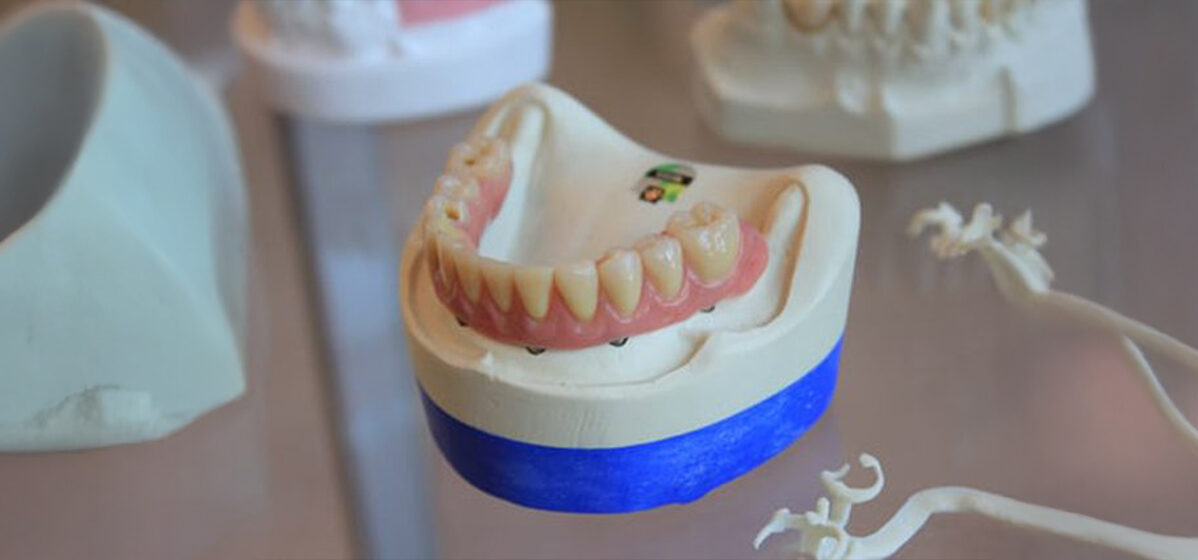
Nearly all parents have back to school routines for their children. Part of the routine entails buying new books, new stationery, new backpacks, and clothes. Moreover, some parents take their children for medical checkups. Besides a regular medical checkup, a dental checkup is also essential. Dental health is necessary and contributes to a child’s overall health. So, consider including a back to school dentist appointment in the routine.
What Are the Advantages of a Back to School Dentist Appointment?
A back to school dentist appointment provides a lot of benefits for you and your child. They help children attend all classes throughout the school term by preventing dental problems. Additionally, these checkups enable dental professionals to pinpoint dental issues early enough. As a result, children do not experience the terrible symptoms accompanying dental issues. When observed religiously, back to school, dental appointments become part of your lifestyle.
Book the appointment early
It is advisable to plan yourself early. Thus, book an appointment a month or two before school opens. Do not wait until August, when every parent is rushing to schedule an appointment. This way, you can enjoy the entire summer without worrying when you’ll get the back to school dental exam done.
Preparing Your Child for the Dental Visit
The majority of children experience nervousness and anxiety before the dentist’s appointment. Consequently, they could end up acting up during the meeting. Therefore, it is advisable to prepare your young ones for the procedure.
Make sure your child has eaten something before the appointment. Don’t take a hungry child for an appointment. Remember, a hungry child is an angry child.
Ensure that your child is well-rested before the day of the appointment. Don’t take your child for a dental visit after a long day. They can be moody and uncooperative during the consultation.
Morning appointments are the best. So, book a dental appointment in the morning hours. Your child’s mind is fresh; thus, they are more likely to be cooperative.
Stick to a dental routine to prepare your child for a dental checkup; ensure they observe a healthy oral routine. Make sure your child brushes their teeth at least twice a day. Ensure they also consume a healthy diet that boosts their overall health.
Teach Your Kids How to floss
It is vital to add flossing to part of the teeth cleaning routine. Flossing helps a child remove any food particles in between the teeth. Consequently, this will prevent the accumulation of bacteria on the teeth, which leads to dental cavities and decay.
Encourage Drinking Water
Instead of soft drinks or juice, encourage your children to drink water often. Water is good for your teeth and eliminates any loose food particles present in the mouth.
Reward Good Dental Habits
Promise your children a reward for cleaning their teeth. So, give them incentives and get them excited to floss and clean their teeth. It could be as simple as preparing their favorite healthy meal or buying them their favorite book.
Talk about Why Oral Hygiene is Important
Make it a habit for you and your children to talk about the importance of observing healthy oral practices. They will understand the need for a back to school dentist appointment. Thus, they will cooperate during these appointments. You can also get them to watch exciting and informative books about the importance of oral hygiene. Moreover, help them understand some dental issues like cavities and tooth decays. Consequently, they will be more encouraged to protect their dental health.
Encouraging a Successful Visit
Often, your child will pick up on your anxiety. So, compose yourself during the dental appointment, and don’t let fear overcome you. If you have uncontrollable anxiety, you can request your spouse to go with you. Above all, avoid saying anything that could frighten your child. Allow your child to ask all their questions to the dentist. The pediatric dentist should explain everything involved during the checkup.
Encouraging a Healthy Smile at Home
Your child must observe all oral hygiene practices. Doing this will prevent dental conditions that could affect their overall health and state of mind. In case you have a child, who is less than seven years, help them brush and clean their teeth regularly. Show them the right technique and products to use. Even when they grow up, always ensure they observe a healthy dental routine.
How to Handle an Uncooperative Child
Some children tend to be more dramatic than others. Suppose you know your child is likely to throw tantrums during the appointment, you can take them to the dental clinic a week before. Consequently, they will be able to familiarize themselves with the environment. They can walk around the reception area and even say hello to their pediatric dentist. It will be much easier for them during the actual checkup. They won’t be as moody as expected.
Conclusion
Ultimately, a back to school dentist appointment enables your child to avoid dental issues during the entire new school year. It is, therefore, essential to include this routine in your back to school routine. This way, dental professionals can recognize any dental caries, cavities, and decays early enough.
Back-to-School Checklist: Don’t Forget to Add Back to School Dental Appointment
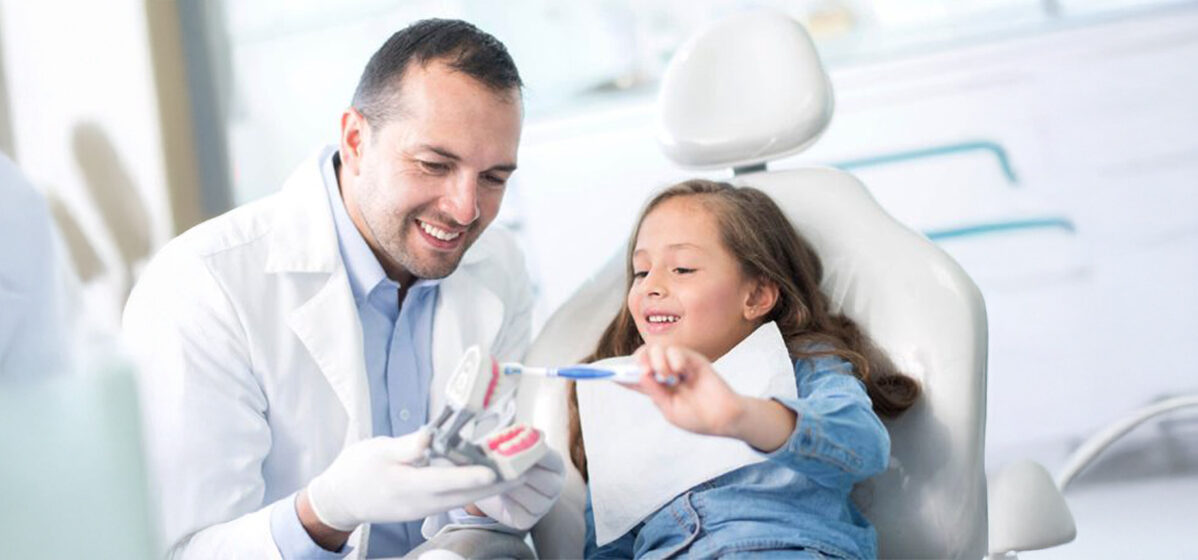
Before the start of a school year, most schools need a back to school dental appointment report. Schools want all children to feel fresh and healthy throughout the year. Moreover, the majority of schools do this to optimize their school performance.
According to a recent survey, almost half of the children’s population missed classes due to dental problems.
“Dental diseases have severe symptoms. Thus, it can interfere with the child’s concentration in class. Children who have oral complications get affected physically, emotionally, and socially.” Vice President at Delta Dental, Dr. Sheila Strock
A back to school dental appointment enables pediatric dentists to detect dental problems early enough. This way, they can administer the appropriate treatment immediately, thus preventing more complications. In some states, a child must have a dental exam report at the start of every school year. “Dental checkups should be part and parcel of every back to school routine checklist for every child, “Strock says. “Fortunately, finances are not a problem nowadays. There is a broad spectrum of finance options to choose from.” Parents can sign up for dental insurance plans that cater to their children’s dental checkups.
Some various factors will help your back to school dental appointment successful. Some of them include:
- Ensure that you choose reliable dentists. You can search for reliable dental experts online or ask fellow parents if they happen to know one. Your pediatric dentist should have extensive experience and know-how to work with children. Your dentist’s office should also offer a comfortable and child-friendly environment.
- Make sure your children are aware of the dental checkup process. Let them know what to expect before the consultation. You can explain to them some of the procedures the dentist will perform. Additionally, you can buy them informative yet exciting books on the importance of dental checkups. If you don’t do this, your child is likely to throw tantrums during the appointment. Eliminate their anxiety by telling them what to expect at the dentist’s office.
- Get your child excited by promising them a thoughtful gift after the appointment. Consequently, they will be willing to go through the whole process. A reward can be as simple as buying them yogurt or cooking their favorite healthy meal.
- The best way to get your kids to do something is by setting an example. It would be best if you start by going for dental checkups yourself. Show them that you find the experience helpful and do not express nervousness. Even though the dental checkups frighten your children, once you show them you are not anxious, they will brave up. You can also offer them tips on how to remain calm during the back to school dental appointment and make it enjoyable.
What Happens At My child’s back to school dental appointment?
Overall Dental Health
During the consultation, the dental expert will likely examine your child’s overall dental health. They will look out for any possible dental cavities and decays. Additionally, they will check for any orthodontic problems such as misalignment and malocclusions. Suppose they pinpoint a dental problem; they will administer immediate treatment. As a result, your child will not encounter any complications in the future.
Professional Tooth Cleaning Procedures
One of the most recommended procedures by pediatric dentists is a tooth cleaning procedure. Most children find it challenging to clean their teeth thoroughly. Thus, a tooth cleaning process will eliminate any bacteria on the teeth. Even if you think your child’s teeth are clean, consider this procedure. It plays a massive role in preventing dental decays and caries. Occasionally, the daily tooth cleaning procedure cannot eradicate stubborn bacteria in the teeth.
X-ray Procedures
Several pediatric dentists will conduct a tooth X-ray. But X-rays are not done in every dental checkup. They assist dental experts in identifying any underlying problems in children, even in their early stages. X-rays pinpoint issues like dental carries and unhealthy roots.
Mouthguards
Your dentist will ask you if your child is active in sports and if they have a mouthguard. If they’re engaged in sports, the dentist will prescribe one for him or her. Additionally, if your child already has a mouthguard, ensure you carry it. This way, the dentist can check whether it’s still functional. If your child’s teeth have outgrown the guard, the dental expert will likely recommend another one during the back to school dental appointment.
Application of Sealants
Occasionally, pediatric dentists apply sealants on your child’s molars to safeguard them against dental caries, among other issues. Sealants are usually a protective layer that prevents bacteria from accumulating on the teeth. Thus, if your child has sensitive teeth, the dentist can recommend sealants for them. Moreover, dental experts recommend sealants for your child to prevent further decay if they have a dental cavity. Sealants protect the area where a regular toothbrush and toothpaste cannot reach. But it would be best if you kept in mind that these substances will still require your child to observe healthy oral practices.
Final Thoughts
A back to school dental appointment is critical in your child’s health. But there are certain things you have to consider when you schedule the appointment. You should choose a reliable dentist and motivate your child to go through the process. Furthermore, some of the procedures you should expect include cleaning, x-rays, among others. All these procedures will boost your child’s overall health.
6 Back to School Dental Tips from Your Family Dentist

According to a Journal of Public Health survey, one of the most common causes of school absenteeism was dental problems. So, parents should schedule appointments with a pediatric dentist at least twice a year. Through this, dental experts can monitor children’s dental health and identify underlying problems. Keep in mind that the earlier a dental problem gets treated,f the better. Furthermore, pediatric dentists offer specific back to school dental tips during a consultation. Once followed, these tips help in sustaining your child’s dental health during the school term.
Advantages of Good Dental Health in Kids
What are the benefits of good oral health in children? A healthy and enthusiastic child tends to have a high concentration in class. In turn, he or she will be able to get good grades. Above all, your child’s overall health gets improved. Thus, to prevent your child from getting sick and missing classes, some of the tips to follow include;
1. Too Much Candy and Sweets is Not Good for Your Child’s Dental Health
Often, a child’s favorite snack is candy. But don’t allow them to consume excessive amounts of sugar. Candy and other sugary foods are harmful to one’s oral health. They contain harmful acids that increase the risk of dental caries and cavities. Thus, children who consume large quantities of candy are at a higher risk of contracting gum and dental diseases. As parents, take part in planning a healthy diet for them daily.
Even so, allow them to take minimal quantities of candy only after meals. Somehow, teeth are often protected from sugar when you have eaten something prior. Also, ensure that your child thoroughly brushes their teeth after eating sweets and candy.
2. Think of Sealants and Fluoride Treatments
Usually, municipal water contains fluoride to boost dental health in some cities. But sometimes, your child does not get enough fluoride. One of the back to school dental tips your dental expert will recommend is buying fluoride toothpaste for your child. Alternatively, your dentist can recommend a fluoride treatment for your child. Typically, it’s a fluoride gel applied to the child’s teeth. Whenever the child eats high acidic foods, the fluoride gets released to prevent the accumulation of harmful bacteria.
Another alternative to safeguard your child’s teeth is the use of sealants. Sealants are a protective covering that prevents the formation of bacteria and plaque. Thus, it prevents dental decay and caries.
3. Teach Your Child to Brush and Clean their Teeth
Besides other back to school dental tips, dentists insist on teaching your children to clean their teeth. If your child is not yet seven years, you need to help him or her brush their teeth. Nowadays, there are online teeth brushing apps that encourage children to clean their teeth. Show them a habitual routine of brushing their teeth regularly, and when they grow up, they won’t depart from it.
Furthermore, show your child how to floss their teeth. But the best way to train a child is by setting an example. So, ensure you observe healthy oral practices. Your child will always follow your actions.
4. Constantly Examine the Condition of Your Child’s Teeth
Some parents don’t notice any oral changes that happen to their children. But it is good to frequently check the condition of your child’s teeth, gums, and even tongue. They could have a dental disease that could carry on into adulthood if you’re not careful. Thus, look out for any dental cavities, tooth discolorations, and swollen gums. Book a consultation with your pediatric dentist immediately you notice any dental abnormality. Also, a back to school dental visit will keep your child’s teeth in check.
5. Book an Appointment with Your Dentist Twice a Year
Before taking your child back to school, ensure you visit a pediatric dentist. Regular dental checkups enable your child to start the school term with a clean slate. The best time to book such appointments is during the summer holidays. Don’t wait for a week before school opens; instead, plan ahead. Upon consultation, your child’s dentist will perform specific procedures to look out for potential problems. Dental experts can schedule an X-ray examination or teeth cleaning. Through this, he can identify any underlying dental decays or cavities early enough. If your child does not have a dental condition, your dentist will be more than happy to give you the best back to school dental tips for your children.
6. Dealing with Dental Emergencies
You may encounter dental emergencies at times. Your child could hurt his or her teeth while playing rugby or fall. Thus, it would be best if you had the right contacts to call for emergency services. But your dentist will give you certain back to school dental tips for handling emergencies at your appointment.
For example, if your child’s tooth falls out, ensure you collect it without interfering with the roots. Also, keep the tooth moist. So, carefully put it back in place while on the way to the dentist. Alternatively, you can place the tooth in a small glass of milk to keep it moist.
When your child cracks their tooth, give them warm water to rinse their mouth. It helps in eliminating any dirt particles in the broken tooth. To prevent inflammation and soreness, place an ice cloth on the affected cheek. Meanwhile, seek professional dental help for further treatment. Leaving such issues untreated can cause severe dental problems.
Back to School Dental Exam: Why the Exam Is Important
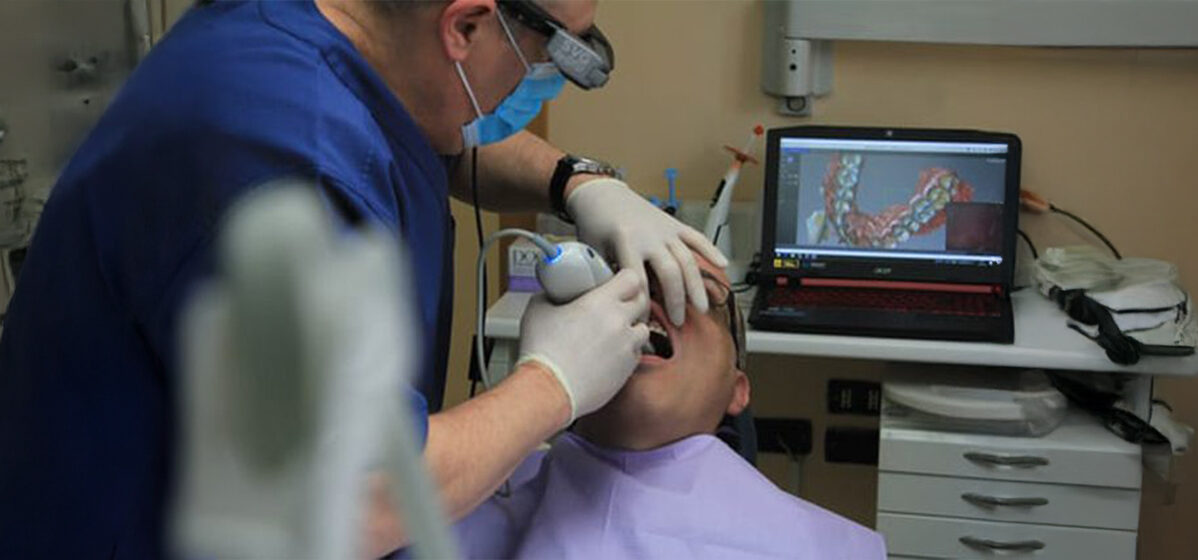
Currently, dental decay is one of the most common conditions in children. This condition affects not only the physical health of the child but also their emotional well-being. Fortunately, dental experts can pinpoint and treat this condition in its early stages. As a result, most education institutions require parents to present a back to school dental exam upon school opening. As a matter of fact, the checkup is mandatory in some states. Several schools will not allow your child to start school if they don’t have a dental health report.
Can A Back to School Dental Exam Prevent Tooth Decay?
In the United States, some of the states that have implemented this compulsory law are Rhode Island, Georgia, California, and New York. A back to school dental exam is vital since they help children avert further oral complications. Fortunately, there is a wide range of financial plans used to pay for these services.
What Should I Expect In Back To School Dental Exams?
Back to school dental exams incorporate various dental procedures. Occasionally, dentists conduct X-ray procedures to identify any dental caries as well as to detect the growth of teeth. Besides dental X-rays, dentists can perform a professional tooth cleaning procedure. Sealants and fillings could also be part of the back to school dental checkup if the dentist pinpoints a problem.
Almost half of the population in the United States experience dental caries. Thus, dental examinations significantly contribute to preventing such conditions. Ensure you book a back to school dental exam appointment at the right time to avoid the last-minute rush.
Early Detection Helps Avoid Further Complications
Once you take your child for a dental checkup, the expert will pinpoint any underlying problems. Some of the dental issues they may identify are dental carries, dental decays, and jaw misalignment. So, dentists can treat these issues at an early stage, thus preventing further complications. For instance, if they identify your child with sensitive teeth, they recommend specific fluoride treatments or sealants to safeguard the teeth.
Oral Health and Overall Health for Your Child Gets Improved
Back to school dental exams enhance your child’s overall dental health. Suppose your child has an existing dental problem, dental experts can identify it during a dental evaluation. They then prescribe various treatments to treat the issue.
Note that untreated dental problems like decay could lead to heart and respiratory diseases in the long run. Besides, the symptoms could be unbearable hence resulting in chewing and speech problems. It is thus essential to book a dental appointment for your child. The earlier dental professionals can identify an oral condition, the better.
Frequent Dental Visits Means Early Treatment & Less Money on Dental Care
Several parents tend to think that a back to school dental exam is expensive. Quite the contrary, these checkups could save you a lot of money in the long run. Once you take your child for a checkup, dentists always identify existing problems early enough. Considering the issue will most likely be minor, you won’t spend much on the treatment process.
On the other hand, prolonged dental problems become severe with time. As a result, your dentist will prescribe more extended and advanced treatment, which is much costly. So, the consultation fees used during checkups are nothing compared to what you are likely to spend on complex dental procedures.
Detecting Dental Problems Early Will Keep Kids Present in School During the School Term
Based on previous statistics, children who had dental problems performed poorly compared to healthy students. What people don’t know is that dental problems are the primary cause of absenteeism in schools. Additionally, the symptoms of dental issues significantly contribute to a lack of concentration in class. Thus, parents should prevent these problems by taking their children back to school dental checkups. Otherwise, their children will be in and out of school due to the treatment procedures involved. Also, remember, this might affect the performance of your children in school. Therefore, going for a back to school dental exam helps you avoid these inconveniences during the school term. The best time to take your child to a dentist is during summer, where there are no classes.
Start the New School Year Off with a Fresh and Healthy Mind
Undoubtedly, all children need to start the school term with a clean slate. As a result, their class concentration will be optimal, and they will manage to get good grades. Even if they don’t like dental checkups, they will get accustomed to it over time. In the long run, they are the ones who are going to request for a dental checkup. We all know that back to school seasons symbolize new beginnings. So, make sure you include your child’s dental checkups in your back to school routine.
Your Child Needs a Dental Checkup At Least Twice a Year
Ultimately, back to school dental exams offer a wide range of benefits to you and your child. So, always remember to schedule an appointment during the summer. Without a doubt, you want your child to be healthy and happy in school. Furthermore, it would also be a good idea for your child to get their teeth professionally cleaned to prevent dental diseases.
8 Secrets to a Successful Back to School Dental Checkup

Frequent dental checkups are a great way to boost your oral health. A back to school dental checkup plays a huge role in fighting the most common dental problems in children. Dental infections are a significant cause of absenteeism in schools. So, ensure your child goes for a back to school dental checkup.
It is better when dentists identify dental problems are earlier. Dental professionals can prevent further oral complications and reduce dental disease symptoms. Dr. Mary Hayes, American Dental Association spokesperson, states that you should ensure your child is ready for school through dental checkups.
Planning in Advance
There are many activities you’ve planned out for your children during the holidays. Make sure that a back to school dental checkup is one of them. Besides the family vacation and camping trip, remember your child’s dental health. Most parents always remember checkups when schools are almost open. Dr. Roger Hennigh says, “One of our busiest times of year is in August. Lots of parents rush at the last minute to get a dental checkup for their children before school starts.” Thus, it is a smart idea to plan your childs back to school dental checkup early. Schedule an appointment one or two months before schools reopen.
Encourage Age-Appropriate Healthy Oral Practices
Parents can encourage cavity free checkups by observing appropriate oral practices. You can tell your children to clean their teeth at least twice a day with the right products. Also, ensure your children floss their teeth daily.
Small children with less than six years may not know how to thoroughly brush their teeth, thus ensure you do most of the work for them. By the time your child is seven, they are more aware of themselves. So, advise them on the best dental care practices. Nonetheless, you may have to take over at times.
When children draw into early adulthood, make sure they still observe dental hygiene. During this phase, their teeth are more vulnerable to cavities. But advise them respectfully. Keep in mind they are now as adults, and scolding them would only make the situation worse.
Book Appointments at the Right Time
One way to ensure a successful dental checkup is to book an appointment at the right time. When you book an appointment during your child’s sleeping hours, this may disorient his or her schedule. Additionally, your child might be cranky during the consultation.
On the other hand, book an appointment at the appropriate timing for older children. Don’t schedule a consultation after a long day of school. Ensure they are well-rested when they visit the pediatric dentist.
Feed Your Child before the Dental Checkup
As a parent, give your child a light meal before the dental checkup. If your child is hungry, they could be cranky and agitated during the appointment. Dr. Rustico Dumlao Jr. says, “Feed your child one hour before the checkup. This way, food particles will not be present in their mouth during the checkup.” He also says, “Getting your children to brush their teeth before the appointment is a great idea as well.”
Make One Child a Model
If you have two or more children, you might schedule different appointments. To encourage all children to go for the dental checkup, ensure that your most bubbly and jovial child goes first. Dr. Alvin Amante says, “Although siblings, every child will have a different attitude on the dental checkup. So, if the one with the first appointment thinks the process is fun, the others will definitely want to experience it.”
Do Not Make Your Child Anxious
Suppose you tend to be anxious before dental procedures, it might be time to leave anxiety at the door. You can make your child nervous as well. Dr. Alan Golden says, “Even kids as young as 4 to 6 years old are highly perceptive and are likely to pick up on your anxiety.”
So, encourage your children and tell them it’s going to be okay. For instance, if your younger one asks how the process of filling a cavity will be, tell them it won’t even hurt. Or tell your child to ask the dentist. Remember that you want to boost their self-confidence, thus allow them to address all their queries to the dentist.
Don’t Lose It in Case Your Child Won’t Cooperate
Dr. Roger Hennigh says, “Quite often, you’ll have to assist younger children through the entire process, especially if it’s their first visit or they’ve never been to a dentist before. They may not be as calm as you think.” Thus, if your child throws tantrums during the appointment, don’t lose your cool.
Make sure you find out why they are not cooperating. The child could be hungry, tired, or nervous. Dr. Hennigh says “one of the primary reasons children lose their cool is because they know they have no control over what’s going to happen.”
Most dental experts are willing to help you out. Ensure you work as a team with the dental expert to calm the child and complete it. Moreover, allow the dentist to take control of the situation.
Take Your Child’s Dentist Contacts
After completion of the back to school dental checkup, remember to keep the dentist’s contacts. Your child can go back to school and hurt their teeth or jaw while playing. So, consider asking your dental professional for their business card. Dr. Golden says, “It is good to have the dentists’ contacts since you can contact them in case of an emergency.”