Category: Uncategorized
How Dental Bonding Improves Minor Cosmetic Irregularities
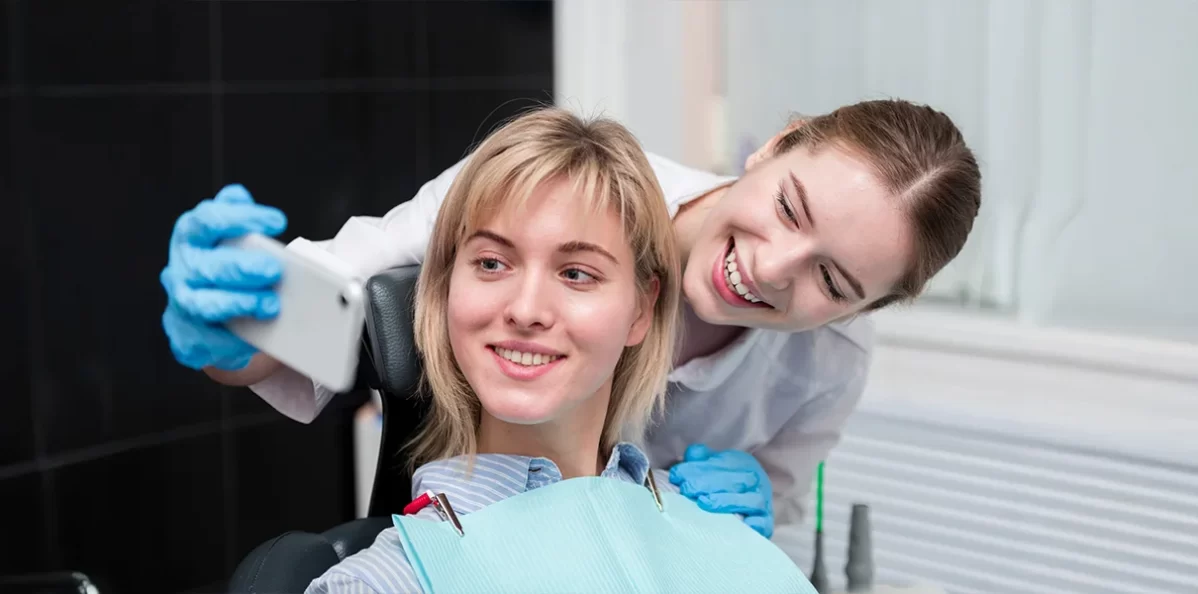
A balanced smile does not always require braces or clear aligners. In certain cases, dental bonding in Dale City, VA, can refine minor spacing or shape concerns without moving the teeth. Bonding is a cosmetic procedure that reshapes visible tooth surfaces to refine proportion and contour. It is best suited for small adjustments rather than significant bite correction.
Before recommending bonding, a dental evaluation is necessary to confirm that the teeth and gums are healthy. Cosmetic treatment should follow an evaluation of cavities, gum health, and bite stability.
Understanding How Teeth Bonding Works
During bonding, a tooth-colored composite material is carefully applied to the enamel. The resin is molded into the desired form and activated with a curing light to secure it in place. Once cured, it bonds to the enamel and blends with the surrounding tooth structure.
The resin used in composite dental bonding is selected to match the shade of nearby teeth. Only minimal enamel preparation is usually required. Because the natural tooth structure is largely preserved, bonding is considered a minimally invasive cosmetic option.
Bonding does not reposition teeth. Instead, it adjusts shape and contour to create a more balanced look.
Concerns Dental Bonding Can Address
Bonding is most effective for mild cosmetic irregularities. These may include:
- Small spaces between teeth
- Slight edge unevenness
- Minor chips or wear
- Teeth that appear shorter than neighboring teeth
- Subtle rotations that affect appearance
By carefully adding and sculpting resin, the dentist can refine tooth proportions within the smile. However, bonding does not correct functional bite discrepancies or significant crowding. In those situations, orthodontic treatment may be more appropriate.
Why Some Patients Choose Bonding
Teeth Bonding is often completed in a single appointment. In most cases, numbing is not required unless there is an underlying decay that needs to be addressed. Most individuals return to normal activities immediately afterward.
Compared with veneers or crowns, bonding usually involves less enamel alteration. It also allows adjustments or repairs if the resin becomes worn or chipped.
For individuals considering a smile makeover, bonding may be combined with whitening or minor contouring to improve overall balance. Treatment recommendations are based on enamel integrity, bite stability, and overall oral health rather than cosmetic preference alone.
What to Expect During the Appointment
The process begins with an examination to confirm that bonding is appropriate. A dentist in Dale City evaluates enamel health, bite alignment, and gum condition before proceeding.
The tooth surface is lightly prepared to improve adhesion. A conditioning solution is applied, followed by placement of the composite. The material is shaped carefully to achieve the desired contour. A curing light activates and hardens the resin within minutes.
After hardening, the bonded area is refined and polished to blend with adjacent teeth. The goal is a natural transition between the restoration and the enamel.
Patients may experience mild sensitivity for a short period, though this is usually temporary.
How Long Bonding Typically Lasts
Bonding provides moderate durability but may require maintenance over time. Longevity depends on oral habits, bite forces, and hygiene practices. In many cases, bonded areas remain stable for several years.
Factors that influence lifespan include:
- Teeth grinding or clenching
- Biting hard objects
- Staining from coffee or tobacco
- Inconsistent oral hygiene
Routine checkups allow early identification of wear or small fractures. Bonded areas can often be repaired without replacing the entire restoration.
Caring for Bonded Teeth
Maintaining bonded teeth requires the same hygiene practices recommended for natural enamel.
Avoid biting ice, fingernails, or other hard objects that may stress the restoration. Limiting highly pigmented beverages can reduce discoloration over time.
Regular visits to a trusted Dale City dental office support monitoring and professional cleaning. Bonding cannot strengthen weakened enamel, so underlying dental health must be maintained through routine care.
At Embrace Family Smiles of Dale City, each patient receives an individualized evaluation to determine whether bonding is appropriate based on structural integrity and cosmetic goals. Treatment decisions are guided by long-term oral health considerations rather than aesthetics alone.
Dental bonding offers a minimally invasive method for refining tooth shape and addressing small cosmetic concerns. When carefully planned and properly maintained, it can improve tooth contour while preserving natural structure.
Can You Get Cavities with Veneers? Maintaining Oral Health Under Your New Smile
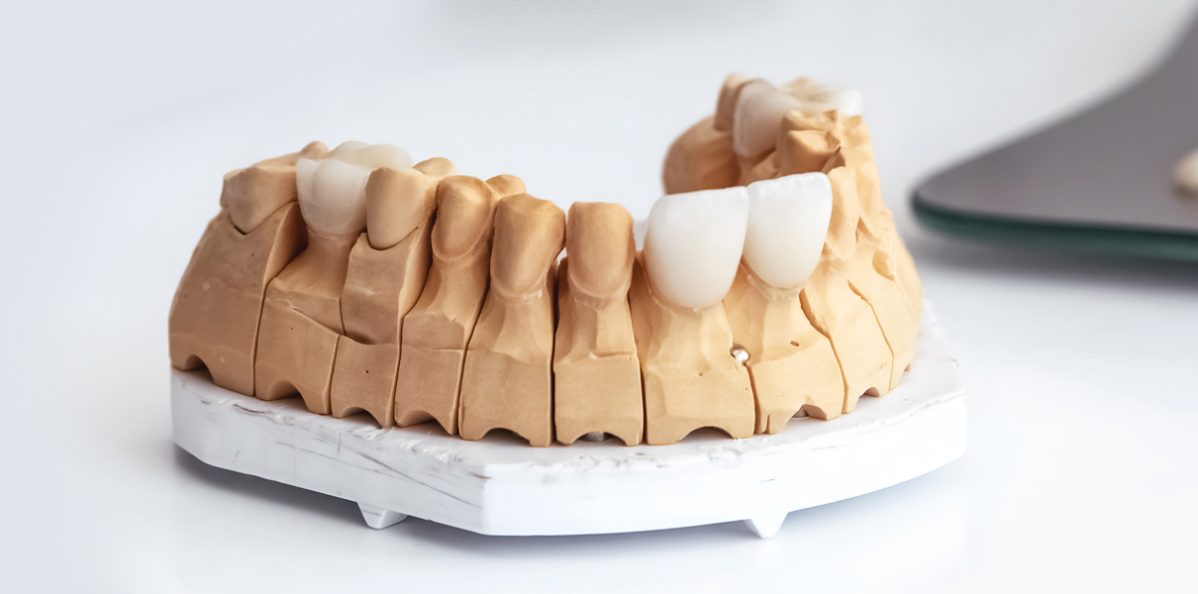
Dentists may recommend veneers to enhance the appearance of teeth with cosmetic imperfections, including discoloration, small chips, or uneven spacing.
Some patients considering dental veneers in Woodbridge, VA, believe veneers eliminate the risk of tooth decay.
While veneers cover the visible surface of a tooth, the natural tooth structure underneath remains present and can still be affected by oral health conditions. Understanding how cavities develop around veneers supports long-term oral health after cosmetic treatment and helps patients maintain their results.
Veneers enhance appearance, but they do not replace the need for consistent dental care and preventive habits.
How Cavities Can Form Around Dental Veneers
Veneers are bonded to the front surface of teeth, leaving the edges, margins, and underlying enamel exposed to the oral environment. Cavities can form when bacteria accumulate along the veneer margins, especially near the gumline, where plaque tends to collect.
Over time, this buildup can lead to veneer tooth decay, even though the veneer material itself cannot decay.
Dentists evaluate the fit and seal of veneers during placement to reduce gaps where bacteria can enter. However, daily habits such as brushing, flossing, and routine dental visits play a major role in limiting bacterial buildup around restored teeth.
The Importance of Proper Oral Hygiene with Veneers
Maintaining oral hygiene remains essential after veneer placement because natural teeth still require protection—plaque forms on the edges of veneers just as it does on untreated tooth surfaces. Understanding how to care for veneers involves more than keeping them visually clean—it focuses on preventing decay where the veneer meets the natural tooth.
To reduce plaque buildup, dentists recommend maintaining daily oral hygiene habits and attending regular professional cleanings. Proper home care supports gum health and helps preserve the seal between the veneer and the tooth.
Common Mistakes That Lead to Decay Under Veneers
One common mistake patients make is assuming veneers eliminate the need for meticulous oral care. Skipping flossing allows plaque to remain at the gumline, where decay often begins. Brushing too aggressively can also cause gum irritation or recession, exposing more of the tooth structure around the veneer.
Improper brushing with veneers, such as using abrasive toothpaste or excessive pressure, may wear down enamel near the margins. Delaying dental visits can allow small problems to progress unnoticed beneath cosmetic restorations, making early intervention more difficult.
The Role of Regular Dental Checkups After Veneer Placement
Routine dental examinations allow dentists to monitor the integrity of veneers and detect early signs of decay. During checkups, dentists examine the veneer margins, assess gum health, and use imaging when needed to evaluate areas not visible during a clinical exam.
Ongoing veneer maintenance includes professional cleanings that remove plaque and tartar from areas patients may miss at home. Regular dental visits help preserve both the appearance and function of veneers over time by identifying concerns early.
How Diet Choices Affect Teeth with Veneers
Dietary habits influence oral health after veneer placement. Sugary and acidic foods contribute to enamel breakdown at exposed tooth surfaces and around veneer margins. While veneers cover the front of the tooth, the remaining enamel remains susceptible to acid exposure.
Dentists often discuss dietary habits as part of caring for veneers, helping patients understand how frequent snacking, sugary beverages, and acidic foods can increase the risk of cavities beneath restorations. Proper oral hygiene and moderation after meals help reduce these risks.
Signs of Tooth Decay Hidden Beneath Veneers
Cavities under veneers may not be immediately visible. Early signs may involve gum inflammation, increased sensitivity, or subtle changes in how the veneer feels against neighboring teeth. In some cases, discoloration near the veneer edge may indicate decay beneath the surface.
Regular evaluations by a cosmetic dentist Woodbridge patients trust are important for identifying these changes early, before decay progresses and affects the underlying tooth structure.
Protecting Your Smile Long Term
Veneers can improve smile appearance, but they require ongoing care to maintain both aesthetics and oral health. Dentists balance cosmetic outcomes with the preservation of natural tooth structure by providing ongoing monitoring and preventive recommendations.
This approach to veneer care and oral health reflects the clinical principles followed at Embrace Family Smiles of Woodbridge.
Why Does My Dental Crown Hurt? Common Problems and When to Call Your Dentist

A dental crown is designed to protect a damaged tooth, restore strength, and help you chew comfortably again. When discomfort appears after treatment, it can be unsettling. Many patients who receive dental crowns in Dale City, VA, expect mild soreness at first, but they are often unsure what level of pain is normal and what is not. While temporary sensitivity can be part of the healing process, ongoing or worsening pain usually points to an underlying issue that deserves attention. Knowing the common causes of crown-related discomfort can help you decide when to monitor symptoms and when to reach out for professional care.
Common Causes of Pain After Dental Crown Placement
Some tenderness after crown placement is expected, especially during the first few days as your mouth adjusts. However, pain that lingers or interferes with eating and speaking should not be ignored. Several factors can contribute to discomfort, and each has a different solution depending on the cause.
Tooth Sensitivity Under a New Crown
Your natural tooth crown contains nerves that may react after dental work. During preparation, a small amount of enamel is reshaped to make room for the restoration. This process can temporarily expose sensitive areas of the tooth, leading to discomfort when you consume hot, cold, or sweet foods. In many cases, this sensitivity gradually fades as the tooth settles. If the pain persists or intensifies, it may indicate irritation of the inner pulp that requires evaluation.
Bite Misalignment and Pressure-Related Discomfort
A crown must fit precisely with your bite. Even a slight height difference can affect how your teeth come together. When a crown sits too high, it places extra pressure on the tooth during chewing. This often causes sharp pain that appears only when biting down. Over time, bite misalignment can also lead to jaw soreness or headaches. Fortunately, correcting the bite is usually straightforward and can bring quick relief once addressed.
Gum Irritation Around Dental Crowns
The gums surrounding a newly placed porcelain dental crown may feel tender or swollen for several days. This is often a temporary response to the placement process and usually improves with proper oral hygiene. Gentle brushing along the gumline and consistent flossing help keep the area clean as it heals. If gum irritation persists, bleeds easily, or worsens, it may signal that the crown margins need adjustment or that inflammation has developed around the tooth.
Signs of Infection Beneath a Crown
Pain that throbs, lingers, or worsens over time may be a sign of infection beneath the crown. Bacteria can enter if decay was present before placement or if the seal around the crown is compromised. Additional warning signs include swelling, a bad taste in the mouth, or sensitivity that does not improve. In these situations, treatment may involve addressing the infection or planning a dental crown replacement to protect the tooth and surrounding tissue.
How a Loose or Poorly Fitted Crown Causes Pain
A properly placed crown should feel secure. If it feels loose or shifts slightly while chewing, the underlying tooth may be exposed to pressure and bacteria. This movement can lead to intermittent pain or sensitivity. Loose restorations are among the more common dental crown problems, and addressing them early helps prevent further damage to the tooth structure or surrounding gums.
Final Thoughts
Mild soreness after crown placement can be normal, but pain that affects your daily routine is not something to ignore. Persistent discomfort, bite changes, or swelling often indicate that an adjustment or evaluation is needed. If you notice symptoms related to dental crown sensitivity or discomfort when chewing, seeking care sooner can help prevent more complex issues. A trusted cosmetic dentist in Dale City that patients rely on can determine the cause and restore comfort safely. At Embrace Family Smiles of Dale City, care is focused on long-term oral health, precision, and patient comfort because a dental crown should feel natural, stable, and pain-free.
Can Urgent Dental Care Help with Dental Emergencies?
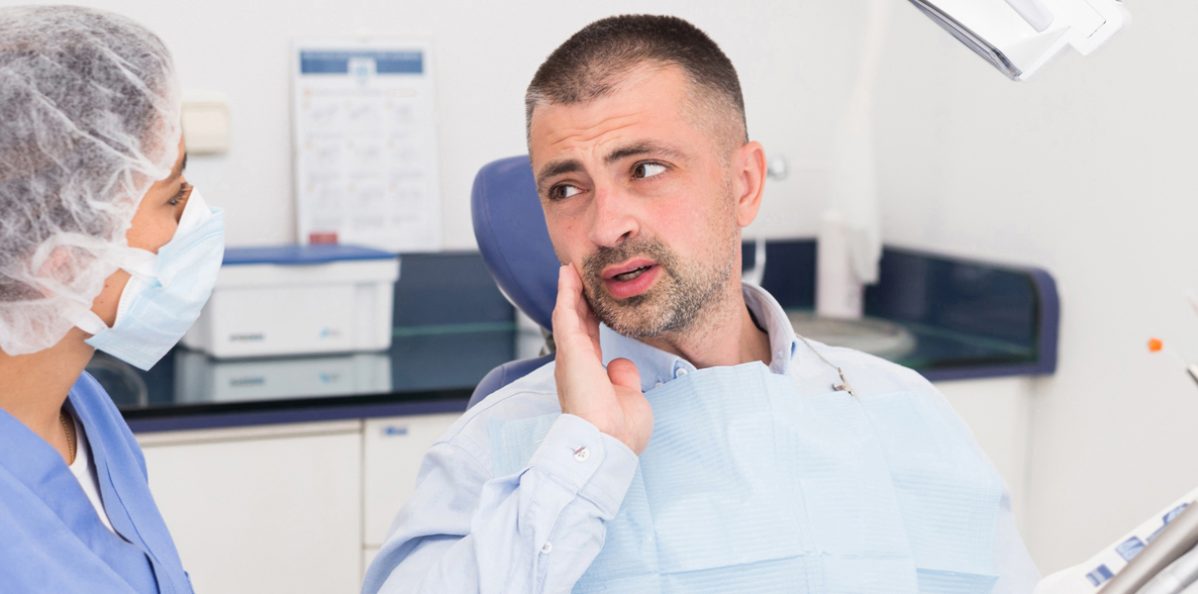
Dental emergencies often occur without notice, catching patients off guard and in need of immediate care. A sudden toothache, an unexpected injury, or swelling that grows worse overnight can quickly become overwhelming. During stressful moments like these, emergency dentistry in Burke, VA is designed to give patients fast, compassionate care that prioritizes comfort, safety, and long-term oral health. Knowing when to seek urgent dental care empowers you to take action early and helps prevent minor problems from turning into serious complications.
What Qualifies as a Dental Emergency
Not every dental issue requires immediate attention, but some symptoms should never be ignored. A dental emergency typically includes pain, injury, or infection that puts the health of your teeth or gums at risk.
Common warning signs include:
- Persistent or severe pain
- Bleeding that does not stop
- Facial swelling or tenderness
- Damage to a tooth after an accident
If a problem interferes with daily activities or worsens rapidly, it may require prompt evaluation rather than waiting for a routine appointment.
Common Situations Requiring Urgent Dental Care
Urgent dental care often becomes necessary when pain or damage escalates unexpectedly. A tooth pain emergency can stem from decay, a cracked tooth, or irritation deep within the pulp. Pain that intensifies instead of fading is often a signal that the issue extends beyond surface sensitivity.
Trauma from sports injuries, falls, or biting into something hard may also cause structural damage. In these situations, early care can help preserve the tooth and surrounding tissues.
How Quickly Urgent Dental Care Can Relieve Pain
One of the main goals of urgent dental treatment is pain control. Sudden teeth pain at night can disrupt sleep and make it difficult to focus or eat the next day. Addressing the source of discomfort early allows a dentist to reduce inflammation, manage infection, and prevent worsening symptoms.
Treatment may involve stabilizing the tooth, relieving pressure within the pulp, or addressing gum-related concerns. Relief often begins soon after care starts, especially when the underlying cause is identified quickly.
Treating Broken, Chipped, or Knocked-Out Teeth
Dental trauma varies in severity, but even minor damage deserves attention. A broken tooth emergency can expose sensitive inner layers of the tooth, increasing the risk of infection or further fracture. Prompt treatment helps restore function and protect the remaining structure.
In more severe cases, such as a knocked out tooth, time becomes critical. Quick action improves the chance of saving the tooth and maintaining proper alignment. Treatment is tailored based on the level of damage, the health of the affected area, and how promptly dental care is received.
Managing Infections and Dental Abscesses
Infections are among the most serious dental emergencies. A dental abscess may lead to swelling, fever, and pain that spreads to the jaw or ear, often signaling an infection that needs prompt attention. Left untreated, infections may spread to nearby tissues and affect overall health.
Urgent care focuses on controlling the infection, relieving pressure, and preventing further complications. Treatment may involve gently draining the infection, prescribing medication, or performing procedures that address the cause while protecting nearby healthy tissue.
What Happens During an Urgent Dental Visit
An urgent dental visit is designed to be efficient and focused. The dentist begins with an evaluation to understand the cause and severity of the problem. Digital imaging or other diagnostic tools may be used to guide treatment decisions.
Patients looking for an emergency dentist near you can expect clear explanations, immediate pain management, and a plan for follow-up care if needed. The goal is to stabilize the issue while preserving long-term oral health.
Preventing Complications with Prompt Dental Treatment
Prompt care during a dental emergency helps stop minor concerns from progressing into more serious oral health problems. Early treatment reduces the risk of infection, tooth loss, and prolonged discomfort. It also helps maintain proper bite alignment and gum health.
After urgent care, following recommended aftercare instructions supports healing and lowers the chance of recurrence. Regular dental visits and protective habits further reduce emergency risks over time.
Final Thoughts
Dental emergencies can feel overwhelming, but timely care makes a meaningful difference. Addressing pain, trauma, or infection early protects both comfort and oral health. The team at Embrace Family Smiles of Burke provides compassionate urgent care focused on restoring stability and peace of mind when unexpected dental concerns arise. Knowing when to seek help allows patients to respond with confidence and protect their smiles for the future.
Tips to Keep Your Bright White Smile After Teeth Whitening

Introduction
Teeth whitening can drastically improve your smile, but keeping those results requires consistent care and a few smart lifestyle adjustments. Many people notice their teeth looking brighter immediately after treatment, only to see staining return over time. If you’ve recently had teeth whitening in Woodbridge, VA, understanding how to protect your results is just as important as the treatment itself. Daily habits, food choices, and ongoing dental care all play a role in maintaining that fresh, white appearance. The following tips focus on practical, realistic ways to extend whitening results and help your smile stay noticeably brighter for longer.
Foods and Drinks to Avoid After Teeth Whitening
After whitening, teeth can be more porous for a short time, making them more likely to absorb stains. Dark-colored foods and beverages are some of the most common causes of discoloration. Items like berries, tomato-based sauces, soy sauce, and coloured candies can leave behind pigments that dull your smile.
Acidic foods can also weaken enamel, allowing stains to settle more easily. Being mindful of what you eat during the days following whitening—and limiting stain-causing foods long-term—can help reduce the risk of developing yellow teeth stains again.
How Proper Oral Hygiene Preserves Whitening Results
Consistent oral hygiene is among the most effective ways to maintain whitening results. Brushing twice a day removes surface plaque before it traps pigments from food and drinks. Flossing daily helps prevent buildup between teeth, where stains often develop unnoticed.
Rinsing with water after meals can also make a difference, especially when brushing isn’t immediately possible. These habits support enamel health and help keep teeth looking brighter between dental visits.
The Role of Touch-Up Treatments in Long-Term Brightness
Even with excellent care, whitening results can fade over time. Touch-up treatments can help restore brightness without repeating a full whitening process. These treatments are often shorter and less intensive, making them easier to fit into a regular dental care routine.
Some patients benefit from occasional teeth bleaching touch-ups, depending on diet and lifestyle habits. A dental professional can help determine how often touch-ups may be appropriate based on individual needs.
Preventing Stains from Coffee, Tea, and Red Wine
Coffee, tea, and red wine are quite well-known for causing tooth discoloration. While giving them up entirely isn’t realistic for most people, a few simple strategies can help limit staining. Drinking through a straw reduces contact with teeth, while rinsing with water afterward helps wash away pigments.
Spacing these beverages out rather than sipping continuously can also reduce staining. Small adjustments like these can go a long way in protecting whitening results.
Why Regular Dental Cleanings Help Maintain Whiteness
Professional cleanings remove surface stains that brushing alone can’t eliminate. Plaque and tartar collection can make teeth appear dull, even after whitening. Routine cleanings help maintain a polished look and support overall oral health.
Visiting a cosmetic dentist’s office for regular cleanings also allows early identification of staining patterns, making it easier to adjust habits before discoloration becomes noticeable.
Choosing the Right Toothpaste for Whitened Teeth
Not all toothpaste is created equal, especially for recently whitened teeth. Highly abrasive formulas can wear down enamel over time, which may actually make teeth appear darker. Instead, a gentle whitening toothpaste designed to remove surface stains is often a better option.
These toothpastes help maintain brightness without damaging enamel, supporting both appearance and long-term tooth health.
How Smoking Affects Whitening Results
Smoking is one of the fastest ways to undo whitening results. Tobacco products contain pigments that cling to enamel and penetrate tooth surfaces, leading to rapid discoloration. In addition to staining, smoking also affects gum health, which can change how a smile looks overall.
Reducing or quitting smoking not only helps maintain whitening results but also supports better oral and general health.
Maintaining Your Smile Long-Term
Keeping your smile bright after whitening is about consistency rather than perfection. Mindful food choices, strong oral hygiene habits, and routine dental visits all work together to protect your investment in your smile. Guidance from a cosmetic dentist in Woodbridge can also help tailor care recommendations based on your habits and goals.
At Embrace Family Smiles of Woodbridge, patients receive practical guidance focused on long-term oral health and realistic smile maintenance. With the right habits and professional support, your brighter smile can last well beyond the initial whitening treatment.
The Top Reasons You Might Need an Emergency Dentist

Most people expect to plan their dental visits months ahead. Yet teeth and gums do not always follow a schedule. A sudden blow to the mouth, a cracked tooth at dinner, or pain that wakes you at night can turn an ordinary day into a crisis. When that happens, emergency dentistry in Dale City, VA helps protect your health, your comfort, and your smile. Knowing what really counts as an emergency can guide your next step and help you act with confidence when stress is high.
Severe Tooth Pain That Can’t Be Ignored
Sharp, throbbing tooth pain that keeps you awake or stops you from eating is a warning sign. It can point to deep decay, an infected nerve, a cracked tooth, or a lost filling that has exposed the inner layers of the tooth. Pain that lingers after hot or cold foods, or pain that feels worse when you lie down, should never be brushed off.
Home care, such as a cold compress on the cheek and over-the-counter pain relief, may take the edge off for a short time. But if the pain is intense, comes on fast, or keeps returning, you should contact an emergency dentist in Dale City instead of waiting for a routine visit. Fast treatment can prevent a bigger problem, including infection and tooth loss.
Knocked-Out or Loose Teeth from Accidents
Sports injuries, falls, and car accidents often lead to sudden trauma to the mouth. Suppose a permanent tooth is knocked out; time matters. Pick up the tooth by the crown, the part you normally see when you smile, so the root stays protected. If it is clean, you can place it back in the socket gently or keep it in milk while you head for urgent care.
A loose or displaced tooth also needs quick attention. The sooner a dentist examines and stabilizes it, the better the chance of saving it. These situations are not “wait and see” moments. They are exactly the kind of crisis an emergency dental clinic is designed to handle.
Broken, Chipped, or Cracked Teeth
Not every chip is an emergency. A small, painless chip may be more of a cosmetic issue and can often wait for a scheduled visit. But a larger break, a crack that runs toward the gumline, or any damage that exposes the inner yellow layer of the tooth is more serious.
You may notice sharp edges that cut your tongue or cheek, sensitivity to hot and cold, or aching when you bite down. Rinse your mouth with water, save any broken pieces, and avoid chewing on that side. When in doubt, call the office and describe what you see and feel. The team can help decide if you need same-day care to protect the tooth and relieve discomfort.
Dental Abscesses and Serious Infections
Swelling in the face or gums, a pimple-like bump on the gum, foul taste, or fever can signal an abscess. This is an infection, often near the root of a tooth or in the gum itself. It will not go away on its own. Infections in the mouth can move beyond the gums and teeth, which is why they should be treated quickly by a dental professional.
If you notice swelling that makes it hard to open your mouth, swallow, or breathe, treat that as a dental emergency and seek help at once. If the infection is not advanced, your dentist may relieve the pressure by draining it, recommend medication when appropriate, and discuss long-term treatment options, including a root canal or extraction.
Uncontrolled Bleeding in the Mouth
Some light oozing after a tooth is removed or minor trauma is normal. It should slow down when you bite on clean gauze and rest. Bleeding that soaks through the gauze again and again, lasts longer than expected, or starts suddenly after an injury needs urgent attention.
This kind of bleeding can come from a deep cut in the tongue, lips, or cheeks, or from the socket after an extraction. Rinse gently, apply firm pressure with gauze or a clean cloth, and contact a dentist or urgent care right away. If you feel dizzy or weak, or if the bleeding is heavy, seek emergency medical help.
Lost Fillings, Crowns, or Restorations
A lost filling or crown may not always hurt at first, but the unprotected tooth is at risk. You may feel rough edges, new sensitivity to temperature, or food catching where the restoration used to be. Leaving it uncovered can lead to cracks, decay, or pain.
You can place a small piece of sugar-free gum or temporary dental material from a pharmacy over the area as a short-term shield, but this is not a fix. Avoid chewing on that side and call your family dentist’s office to arrange a prompt visit so the tooth can be repaired before things worsen.
Final Thoughts
Emergencies rarely happen when you expect them, and taking action quickly often determines whether a tooth can be saved. When you face sudden pain, trauma, swelling, or bleeding, trust your instincts and reach out for help instead of waiting. The team at Embrace Family Smiles of Dale City can guide you over the phone, help you decide what to do next, and provide urgent care when you need it most, so you can protect your health and get back to your day with peace of mind.
Are Dental Veneers Right For You? Factors to Consider
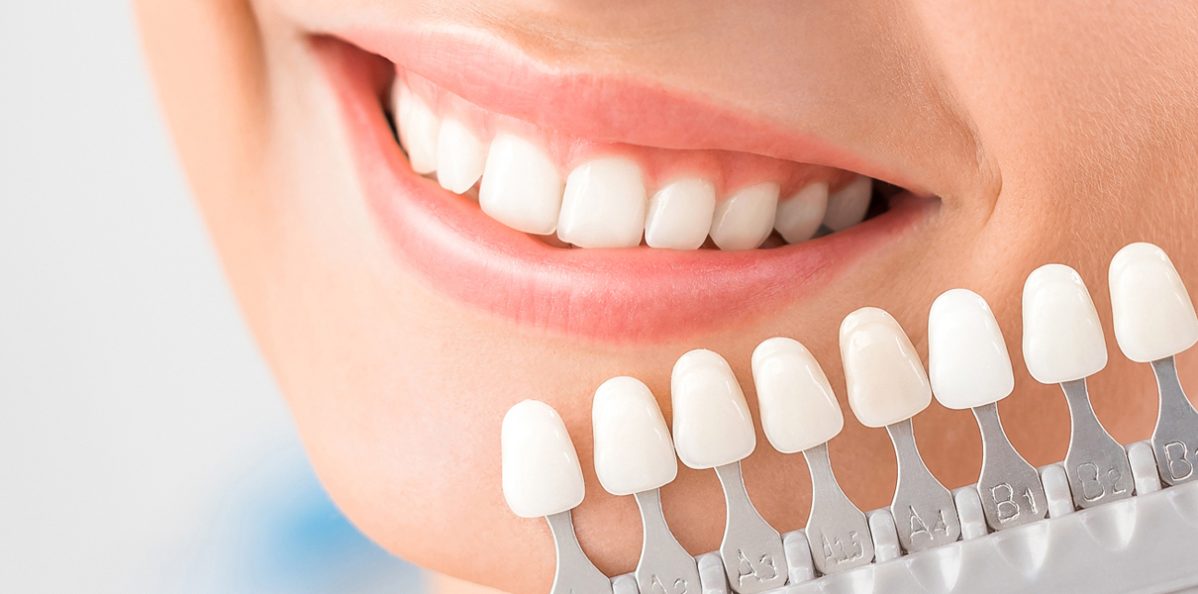
When you feel self-conscious about stained, chipped, or uneven teeth, it can affect how often you smile. Many adults who want a brighter, more uniform look turn to dental veneers in Burke, VA, as a long-term cosmetic option. Veneers are slim, custom-made coverings that sit over the front surface of your teeth to enhance their shape, shade, and appearance. They are custom-made, so your dentist can design a result that fits your face, age, and personality.
Veneers are not the only cosmetic treatment, but they can address several concerns at once. Before you decide, it helps to understand what they can fix, the types available, and whether your mouth is healthy enough to support them.
Common Dental Concerns Veneers Can Correct
Many people first ask about veneers after years of hiding their smile. They may have tried whitening or bonding and still feel unhappy. Veneers can help when:
- Teeth are deeply stained or discolored
- Enamel is worn or pitted
- Edges are chipped or uneven
- Gaps create dark spaces between teeth
- Slight misalignment makes teeth look crowded or twisted
Some patients call them veneer teeth, because once the shells are in place, the teeth you show to the world are the veneers themselves. Veneers are usually placed on the front upper teeth that show when you talk and laugh, though lower teeth can be treated as well in some cases.
Porcelain vs. Composite Veneers: Key Differences
You will often choose between porcelain veneers and composite veneers. Both improve the look of teeth, but they differ in material, process, and cost.
Porcelain is a strong, glass-like ceramic. It resists stains from coffee, tea, and wine better than most tooth-colored materials. Porcelain also reflects light in a way that mimics natural enamel, which helps your smile look more lifelike. These veneers are created in a professional dental lab and then carefully bonded to your teeth during a follow-up visit.
Composite uses the same type of resin material dentists use for tooth-colored fillings. It can often be shaped and placed in a single appointment. Composite tends to cost less upfront, but it may stain or wear faster over the years. Your dentist will guide you through the advantages and limitations of each option so the final choice fits your goals, budget, and daily habits.
How Veneers Improve Smile Aesthetics
Veneers do more than whiten teeth. They let your dentist redesign your smile with careful detail. With veneers, your dentist can:
- Create more balanced tooth lengths
- Soften sharp angles or make small teeth appear fuller
- Close spaces without braces in mild cases
- Harmonize the color of each visible tooth
Because veneers sit on the front of your teeth, they can change how your lips are supported and how your smile lines appear. The goal is not a “perfect” Hollywood smile, but one that matches your features and feels like you. The best veneers look natural, not obvious.
Factors That Make Someone a Good Candidate for Veneers
Veneers are not right for everyone, even if they seem like an easy solution. You may be a strong candidate if:
- Your gums are healthy and free of active disease
- You have enough enamel for bonding
- Your bite is relatively stable without severe grinding or clenching
- You understand that veneers are a long-term, but not permanent, choice
A cosmetic dentist in Burke will start with a full exam, X-rays as needed, and a discussion of your expectations. If you have untreated decay, gum disease, or significant bite issues, those concerns should be addressed first. In some cases, orthodontic care or other restorative work may be better than veneers, or may be needed before veneers are considered.
Longevity and Maintenance of Dental Veneers
With consistent home care and regular checkups, veneers can stay in great shape for many years. Porcelain often outlasts composite, but both depend on how you treat your teeth. To protect your investment:
- Keep things easy by brushing morning and night with a soft toothbrush and fluoride toothpaste. This gentle routine helps your smile stay strong
- Floss daily around each tooth and veneer
- A nightguard can help shield your teeth if you grind in your sleep
- Be gentle with your smile—avoid opening packages or hard items with your teeth
- Limit habits like chewing ice or biting pens
At routine visits, your dentist can examine the margins of your veneers and confirm that the supporting teeth are in good condition. If a veneer chips or debonds, it can often be repaired or replaced. Still, veneers may need updating at some point in your life, so it is wise to think of them as a long-term, ongoing commitment.
Final Thoughts
Choosing veneers is as much an emotional decision as a clinical one. You should feel heard, informed, and never rushed. Bring photos of smiles you like, ask about preview options such as digital mock-ups or temporary veneers, and talk through your daily habits so your dentist can guide you to the best plan. If you are ready to explore whether veneers fit your needs and goals, the team at Embrace Family Smiles of Burke can walk you through every step so you can move toward a confident, comfortable smile.
Tooth Pain: When to Find Emergency Dental Care
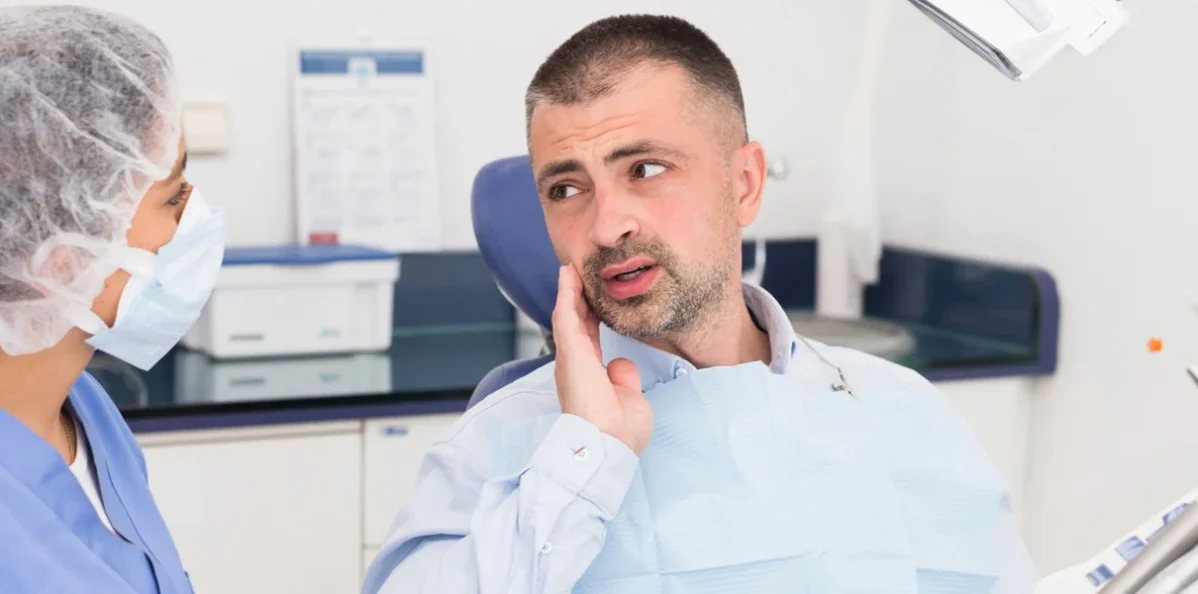
Tooth pain can start subtly and quickly grow into a problem that interferes with eating, sleeping, and concentrating. While some dental discomfort is temporary, certain types of pain signal the need for immediate attention. Recognizing the difference between minor irritation and a true dental emergency can help you avoid complications that affect both oral and overall health. For individuals experiencing severe discomfort and exploring emergency dentistry in Woodbridge, VA, understanding warning signs is essential. This article explains what causes sudden tooth pain, when it becomes urgent, and how to manage symptoms responsibly until professional care is available.
Common Causes of Sudden or Severe Tooth Pain
Intense or unexpected tooth pain rarely happens without a reason. Advanced tooth decay is among the most common causes, especially when it reaches deeper layers of the tooth. Cracks, fractures, or loose fillings can also expose sensitive areas and trigger sharp pain. Gum infections and inflammation around the tooth root may contribute to swelling and pressure.
Sometimes discomfort builds slowly and then escalates. A mild ache that worsens when biting or chewing often indicates that the underlying issue has progressed. These changes are signs that professional evaluation is needed rather than home remedies alone.
Signs of Tooth Pain That Indicate a Dental Emergency
Not every toothache requires urgent care, but certain symptoms should never be ignored. Pain that is severe, continuous, or worsening despite medication may suggest nerve damage or infection. Swelling in the face or jaw is another serious indicator, especially when paired with tenderness or heat in the area.
Additional warning signs include fever, drainage with an unpleasant taste, difficulty opening the mouth, or bleeding that does not stop. When these symptoms appear, seeking help from an emergency dentist near you can prevent the situation from becoming more serious.
When Tooth Sensitivity Becomes a Serious Concern
Sensitivity to cold drinks or hot foods is common, but ongoing or intensifying sensitivity can point to a deeper problem. Exposed enamel, receding gums, or small fractures may cause sharp discomfort when teeth encounter temperature changes.
If sensitivity begins to occur without any trigger or turns into spontaneous pain, the tooth’s nerve may be inflamed or infected. At that point, care from an emergency dental clinic may be necessary to protect the tooth and surrounding tissues.
How Infections and Abscesses Cause Intense Toothache
Dental infections often result in some of the most severe tooth pain patients experience. When bacteria enter the inner tooth or nearby gum tissue, an abscess can develop. This localized infection creates pressure, leading to throbbing pain that may also spread to the jaw, ear, or neck.
Abscesses do not resolve without treatment and can worsen quickly. If left untreated, infection may spread beyond the mouth. Prompt evaluation at an emergency dentist office is critical to reduce pain and limit further health risks.
Managing Tooth Pain Safely Before Seeing a Dentist
If immediate treatment is not available, there are safe ways to reduce discomfort temporarily. Gently washing with warm salt water can help cleanse the area and ease irritation. Applying a cold compress to the outside of the cheek may help minimize swelling and dull pain.
Pain relievers may be used as directed, but aspirin must never be placed directly on the gums or tooth. These steps are short-term measures only and should not delay professional urgent dental care when symptoms persist.
The Risks of Ignoring Persistent Tooth Pain
Ongoing tooth pain is often a sign that damage is progressing beneath the surface. Without treatment, infection can spread, teeth may become weakened, and surrounding bone can be affected. Delayed care frequently results in more complex procedures and longer recovery times.
Listening to your body’s warning signs and addressing pain early helps preserve oral health and reduce future complications.
Knowing When to Take Action
Understanding when tooth pain crosses the line from discomfort to emergency allows you to respond confidently. Pain that is severe, continuous, or accompanied by swelling or fever should always be evaluated promptly. Early care often leads to simpler treatment and better outcomes.
At Embrace Family Smiles of Woodbridge, patients receive guidance focused on comfort, safety, and timely care when dental concerns cannot wait. If tooth pain is disrupting your everyday routine, a professional assessment can help find out the cause and determine the appropriate next steps.
How to Choose the Right Orthodontist for Your Braces?

When you or your child needs orthodontic treatment in Dale City, VA, choosing the right orthodontist feels like a big step. The person you trust will guide you through months, sometimes years, of care. They will help correct misaligned teeth, protect your bite, and support your confidence.
The right choice is about more than who can put brackets on teeth. It is about skill, communication, technology, and how comfortable you feel each time you sit in the chair.
Understanding Different Types of Braces Available
Before you pick an orthodontist, make sure they offer options that match your needs and lifestyle. Some patients do best with traditional dental braces. Others prefer a more discreet path.
Ask what types of braces they provide:
- Metal or ceramic brackets
- Low-profile options for comfort
- Clear aligner systems or invisible braces
- Solutions designed for children, teens, and adults
A good orthodontist explains why one type may work better for your bite, habits, or daily routine instead of rushing you toward a single option.
The Importance of Personalised Treatment Planning
No two smiles are the same, so your plan should never feel copied and pasted. A strong orthodontist will start with a full exam, photos, and X-rays. They will look at jaw alignment, crowding, spacing, and your long-term oral health.
Your goals matter too. Maybe you want subtle teeth straightening before an important life event, or you are focused on fixing chewing problems. The right provider listens, then builds a plan that fits your timeline, budget, and priorities instead of offering a one-size-fits-all approach.
Evaluating Technology and Modern Orthodontic Techniques
Modern tools can make treatment more precise and visits more comfortable. When you visit a practice, look around and ask:
- Do they use digital scanners instead of old-style impressions?
- Is 3D imaging available to study jaw joints and roots?
- Do they use computer-guided planning for aligners and braces?
Updated technology can mean fewer refinements, better-fitting appliances, and a smoother overall experience. It also shows that your orthodontist invests in staying current with advances in care.
Comparing Treatment Timelines and Expected Results
Every orthodontist may give a slightly different estimate for how long your braces will stay on. That is normal. What matters is that the estimate makes sense and is backed by clear reasoning.
Ask how your case compares to similar patients they have treated in the past. Ask what could shorten or extend the timeline, and what “success” looks like at the end. A trustworthy orthodontist will never promise perfect results in record time. Instead, they explain possible outcomes and help you set realistic expectations.
The Role of Clear Communication and Patient Education
You should never feel rushed through a visit or confused about what happens next. Strong communication is a key sign that you have found the right partner.
Notice how the team explains procedures, cost, and home care. A caring dentist in Dale City will welcome questions and encourage you to speak up if something does not feel right. Simple, honest explanations help you stay engaged and motivated during treatment, which often leads to better results.
How Follow-Up Care Impacts Braces’ Success
Braces and aligners do more than move teeth; they require steady maintenance along the way. Regular visits let your orthodontist:
- Make small adjustments to keep teeth moving in the right direction
- Check your gums and enamel for early signs of trouble
- Reinforce brushing and flossing habits
- Update you on progress toward your final goal
After active treatment, retainers are essential. Ask how long you will wear them and what kind of follow-up schedule they recommend. Good follow-up care protects all the effort you put into treatment.
Choosing an Orthodontist Who Makes You Feel Comfortable
Credentials and technology matter, but so do your instincts. Pay attention to how the office feels from the moment you walk in. Are the staff friendly? Do they remember your concerns and explain things in calm, clear terms?
If your child is the patient, watch how the team interacts with them. A supportive environment often means fewer missed appointments and better cooperation with home care.
Final Thoughts
Finding the right orthodontist takes a bit of research, but the payoff is a healthier, more confident smile that lasts. Look for a provider who offers a range of brace options, uses modern tools, explains treatment in plain language, and makes you feel at ease every step of the way.
If you are exploring braces for yourself or a family member, a visit to Embrace Family Smiles of Dale City can be a helpful place to start a thoughtful conversation about your needs and options.
What Can You Eat With Braces?

Currently, braces can treat a broad spectrum of orthodontic conditions, from overcrowded teeth to crooked teeth. These oral devices are undoubtedly helpful in giving you a perfect smile. Even so, the installation process may be uncomfortable. Furthermore, you will have to make some lifestyle changes immediately you start wearing braces. As a result, it takes approximately six months for you to get used to wearing braces. One of the significant life changes you will have to make lies in what you eat with braces. For you to shorten the treatment process, orthodontists recommend that you consume a healthy diet. Otherwise, you’d increase your chances of contracting dental diseases like cavity and caries. There are some foods you have to avoid completely when you have braces. It may be hard to give up on your favorite foods but think about your health first. In this article, we talk about some of the foods that are safe to eat with braces.
The best meals to eat during the first weeks of wearing braces
During the first weeks of getting braces, you may experience soreness and inflammation. Not to worry. Your orthodontist will prescribe the best painkillers for you. The foods you eat with braces also go a long way in relieving the discomfort you might be experiencing. So, avoid eating hard to chew foods like nuts. Instead, take soft, healthy foods like:
- Low-fat Greek yogurt
- Easy to chew fruits like melons
- Fish meat and other seafood
- Mushroom soup
- Oat porridge
- Scrambled eggs
- Soft vegetables
- Pasta
All the above foods are relatively simple to eat with braces. They are gentle on your teeth and gums. In turn, they quicken the treatment process for you. But after some weeks, you can resume your usual diet. Nonetheless, your diet should contain healthy foods.
Eat with Braces: What should I eat during the whole orthodontic process?
Breakfast food
When you are starting your day, take a healthy meal. Dental experts usually advise that you take eggs and pancakes. Both foods are healthy and don’t put too much stress on the teeth. Consider taking yogurt or fresh juice instead of a beverage. You can also take cereals and oat porridge. All these foods are nutritious, both for your body and teeth.
Snacks
During the day, you might have to snack from time to time to keep your stomach full. Some of the healthy snacks you should consider include fruits like grapes and watermelon. Also, you can always make sumptuous vegetable and fruit salads to eat during the day. So, avoid chewing nuts as a snack during the day.
Lunch and dinner meals
During lunch, you can have pasta, rice, peas, or even mashed potatoes. Also, taking sweet potatoes and soup is a good alternative. If you run out of options, there are many healthy recipes you can try out available on the internet. Moreover, feel free to steam vegetables. Consider taking seafood instead of red meat. Seafood meat is so gentle on the teeth yet very delicious. Most of these primary course meals are easy to prepare and quicken the treatment period.
What should you not eat with braces?
Braces quickly wear out when they come in contact with various foods. In fact, there are foodstuffs that you’ll have to avoid completely when wearing braces. They include:
- Avoid taking sugary foods like ice cream and candy during the whole treatment period. Even if you are a sweet tooth, it would be best if you don’t take any sugary foodstuff. Snacks like ice cream are also cold, thus not conducive for your teeth as they increase tooth sensitivity.
- Popcorns: Popcorns are prone to sticking on your teeth. Thus, they can easily hide beneath the brackets. As a result, you could get dental decay or cavity.
- Nuts: Nuts are tough to chew. Chewing nuts constantly throughout the treatment period can lead to a loose bracket or wire.
- Avoid chewing gum whenever you have braces. Gum contents can stick on your brackets and cause a dental illness.
The leading cause of dental cavities is sugary foods. So, if you are wearing braces, avoid consuming sugary foods. What sugar does is that it combines with saliva to form plaque. The accumulation of plaque causes cavities and tooth decays. Not to mention, getting rid of plaque when you have braces can be challenging. Try your best to avoid consuming any sugary foods throughout the whole orthodontic treatment process.
Ultimately
When you get your braces installed, it might be time to switch up your lifestyle. Be careful about what you eat with braces. You have to make many changes in your diet if you wish to speed up your recovery time. So, it would be best if you consume healthy foods like oats, seafood, and fruits. Ensure that you avoid hard foods to chew as well as sugary foods. Unhealthy foods will cause a build-up of plaque beneath your brackets that can cause cavities. Getting a dental hole while wearing braces can be the worst nightmare. Thus, please refrain from all unhealthy foods during the whole treatment period. Fortunately, the majority of orthodontists are always willing to recommend the best foods to eat with braces.