
Category: Uncategorized
When to Wear a Dental Guard and Why It's Necessary for Kids and Teens

Protecting your child’s teeth early can prevent long-term dental problems. Many parents start looking into dental guards for kids and teens in Woodbridge, VA, when they notice signs like teeth grinding, jaw discomfort, or sports-related risks. Dental guards are designed to protect growing teeth and support healthy development during these important years.
Children and teens are still developing their bite and jaw structure, which makes early protection especially important.
What Is a Dental Guard and How Does It Work?
A dental guard is a custom-made device fitted over the teeth to shield them from harm. For children and teens, it acts as a cushion that reduces pressure between the upper and lower teeth.
It is often recommended when there are signs of teeth grinding or clenching (bruxism), specifically during sleep. It can also protect teeth from injury during physical activities and contact sports.
By creating a protective barrier, dental guards help reduce stress on both teeth and jaw muscles.
Common Reasons Kids and Teens Need Dental Guards
Children and teens may need dental guards for several reasons related to growth, habits, and activity levels.
Common triggers include:
- Nighttime grinding or clenching,
- Complaints of jaw pain or headaches,
- Visible worn or damaged teeth,
- Participation in contact sports.
Some of these issues can affect how teeth develop and how the jaw functions over time.
Types of Dental Guards and Their Uses for Younger Patients
Different types of dental guards are used depending on your child’s needs.
- Mouth guards: Used during sports to prevent injuries to teeth and gums,
- Dental night guard: Worn during sleep to reduce grinding,
- Mouth guard for teeth grinding: Helps protect enamel in developing teeth.
- Occlusal guard: Supports better bite alignment in growing jaws,
- Bruxism guard: Designed specifically for nighttime grinding in children and teens.
Choosing the right type depends on whether the concern is related to sports, sleep habits, or bite development.
Signs Your Child May Need a Night Guard
Parents may not always notice teeth grinding, especially if it happens at night. However, there are signs to watch for.
Your child may need a dental guard if they:
- Wake up with jaw soreness,
- Experience frequent headaches,
- Show visible wear on their teeth,
- Have jaw tension or clicking sounds.
If these symptoms appear, a consultation for a dental guard can help determine the best next steps.
How Dental Guards Help Protect Growing Teeth
Dental guards play an important role in protecting developing teeth and jaw structures.
They help:
- Safeguard teeth against harm from grinding or external force,
- Reduce jaw strain and discomfort during sleep,
- Prevent further wear on enamel,
- Support proper bite development.
For children undergoing or preparing for orthodontic care, protection becomes even more important. An orthodontist in Woodbridge may recommend a dental guard to help maintain alignment and prevent damage during treatment.
When Should Kids and Teens Wear a Dental Guard?
The timing depends on your child’s needs.
- Night guards are worn while sleeping if grinding is present.
- Sports guards are worn during physical activities,
- Some children may need consistent use during periods of stress when clenching increases.
Following professional guidance on proper use and care ensures the guard is effective and comfortable.
What to Expect During a Dental Guard Fitting
A properly fitted dental guard is important for both comfort and effectiveness.
The process usually includes:
- A dental exam to assess your child’s needs,
- Digital scans or impressions,
- Custom fitting and design for a precise fit.
Custom guards are especially important for children and teens because their teeth and jaws are still changing.
Tips for Maintaining Your Child’s Dental Guard
Proper care helps ensure the dental guard stays clean and lasts longer.
Parents should help children:
- Clean the guard daily with a soft brush,
- Store it in a protective case,
- Avoid exposure to heat,
- Bring it to dental visits for evaluation.
These steps help maintain hygiene and ensure continued protection.
Supporting Healthy Smiles During Growth
Dental guards are part of a broader approach to protecting your child’s oral health. Regular dental visits, early evaluations, and preventive care all play a role in supporting healthy development.
Families in nearby areas, near Potomac Mills Mall, like Woodbridge, Dale City, Lake Ridge, Dumfries, Triangle, Quantico, Manassas, Bristow, Nokesville, Lorton, Occoquan, and MontClair, as well as Alexandria, Springfield, Ft. Belvoir, Stafford, Spotsylvania, and Fredericksburg, often seek preventive solutions that protect their children’s smiles during growth.
Embrace Family Smiles focuses on personalized care for children and teens, helping families protect teeth early and avoid more complex issues later.
Frequently Asked Questions
Children may need a dental guard once permanent teeth begin to come in, and symptoms like grinding appear.
Yes, they are designed to protect teeth and are safe when properly fitted.
Look for signs like worn teeth, jaw pain, or complaints of headaches.
Yes, it can reduce pressure and help relieve strain caused by clenching.
Yes, children need guards designed for growing teeth and changing jaw structures.
It depends on growth and wear, but regular checkups help determine when it needs replacement.
Yes, especially in contact sports, to reduce the risk of injury.
They can help protect teeth during treatment and maintain results.
The Advantages of Clear Aligners: Why Kids and Teens Love Them

Crooked or misaligned teeth can make brushing difficult, especially where teeth overlap. When plaque collects in these areas, the risk of cavities and gum irritation increases. Children may also feel self-conscious about their smile as they grow. For families considering clear aligners in Burke, VA, early evaluation helps identify these concerns and plan treatment before they become more complex.
What Are Clear Aligners and How Do They Work?
Treatment begins with a consultation, where digital scans are used to map tooth position and bite alignment. This allows the orthodontist to create a personalised plan based on each tooth’s movement needs.
Clear aligners are then designed as a series of trays that apply controlled pressure over time. Each stage builds on the previous one, allowing gradual tooth movement while the surrounding bone adapts. Many patients find that aligners provide a smoother experience because they do not involve brackets or wires.
Why Kids and Teens Prefer Clear Aligners Over Braces
Children and teens often become aware of how their smile looks in social settings. Visible appliances can sometimes affect confidence during daily interactions.
These aligners are less visible and can be removed as needed, such as for eating and cleaning. This makes it easier to follow everyday routines, especially for families in Fairfax, VA. When patients are comfortable, they tend to follow treatment more consistently, supporting improved results.
Benefits of Aligners for Comfort and Convenience
Fixed appliances can sometimes make it harder to maintain oral hygiene and may irritate the mouth. Aligners are designed with smooth surfaces that reduce contact with soft tissues.
Because they can be removed, daily oral hygiene care is easier to manage. In kids and adult orthodontics, comfort and convenience often influence how well patients follow their treatment plan, which directly affects how efficiently teeth move into position.
How Aligners Support Better Oral Hygiene
Difficulty maintaining oral hygiene with braces is a common concern, especially for younger patients. Food particles and plaque can collect around brackets, increasing the risk of decay.
With removable trays, brushing and flossing can be done without obstruction before placing them back in. An orthodontist in Burke may recommend aligners for patients who need better access for cleaning, which can help reduce plaque buildup during treatment.
Who Is a Good Candidate for Clear Aligners?
Not every case requires the same approach. Aligners are typically used when tooth movement can be achieved through controlled repositioning, such as in mild to moderate crowding or spacing.
A clinical evaluation by a trained orthodontist helps determine whether the condition involves only tooth position or also jaw alignment. This step is important because successful tooth straightening depends on selecting a method that matches the patient’s specific needs.
Treatment Timeline and What to Expect
Once the treatment plan is created, aligners are worn for most of the day and changed at regular intervals. Each set continues the movement started by the previous one, allowing gradual alignment.
The timeline varies based on how complex the case is and how consistently the trays are worn. Follow-up visits allow progress to be monitored and make adjustments when needed. For families in Burke, Fairfax, Fairfax Station, Clifton, Springfield, Annandale, Falls Church, Arlington, Alexandria, Centreville, and Lorton, VA, maintaining these visits helps keep treatment moving as planned.
Tips for Caring for Aligners
Aligners should be cleaned daily to prevent buildup that can affect hygiene and comfort. They should be removed before eating and stored safely when not in use.
Wearing them as directed is essential for maintaining steady progress. Interruptions in wear time can slow the alignment process and affect the outcome.
Long-Term Benefits of Early Orthodontic Treatment
Early orthodontic care helps guide the development of teeth and jaws over time. When alignment is addressed early, it can reduce strain on the bite and lower the risk of uneven wear.
The goal is not only to improve appearance but also to support long-term oral health. A well-aligned bite evenly distributes chewing forces, protecting both teeth and joints. It can also improve confidence in kids and teens by giving them a more balanced smile. This type of planning is followed at Embrace Family Smiles of Burke to achieve stable, comfortable results.
The Role of Dentists in Dale City in Preventing Unnecessary Tooth Extractions

Tooth pain, swelling, or infection can make it seem like removal is the only solution. In practice, the decision depends on whether the tooth can be treated and remain stable over time. Dentists assess the extent of damage, infection, and supporting structures before recommending procedures related to tooth extractions in Dale City, VA. The priority is to relieve discomfort while preserving the natural tooth when it can still function reliably.
Why Tooth Extractions Are Sometimes Necessary
Removal is considered when damage extends beyond what can be restored. Deep decay affecting the inner pulp, uncontrolled infection, or fractures below the gumline can make treatment unreliable.
In these situations, keeping the tooth may allow infection to spread into the surrounding bone or tissue. Extraction is recommended to eliminate the source and protect nearby structures.
Common Causes That Lead to Tooth Removal
Severe decay is a frequent reason a tooth cannot be restored, especially when most of the structure has been lost. In these cases, there may not be enough support for a long-term solution.
Gum disease can also weaken the bone holding the teeth in place, leading to movement and discomfort. Patients who require teeth pulling often present with a combination of decay, infection, or bone loss that limits restorative options.
How Dentists Focus on Saving Natural Teeth First
Preserving natural teeth remains the preferred approach when conditions allow. Dentists evaluate whether an infection can be managed with root canal treatment or whether structural damage can be reinforced with a dental crown.
This focus on saving natural teeth supports bone integrity and overall oral stability. Retaining the original tooth helps maintain chewing efficiency and reduces the need for more complex replacements, like dentures or implant supported artificial teeth.
Preventive Treatments That Reduce the Need for Extractions
Maintaining routine dental visits, typically twice a year, supports early management and helps avoid complex oral conditions. Cleanings, early treatment of cavities, and management of gum health help control disease progression. Patients considering teeth removal near me are often dealing with symptoms that have progressed over time. Regular checkups allow these issues to be identified earlier, when treatment is simpler and more predictable.
The Importance of Early Diagnosis and Timely Care
Detecting problems before they worsen allows for more conservative treatment. Clinical exams and imaging help identify decay, infection, or bone changes at an earlier stage. When pain or swelling develops suddenly, visiting an emergency dentist in Dale City helps stabilize the condition quickly. Addressing the issue at this stage often allows the tooth to be preserved rather than removed.
Alternatives to Tooth Extraction
When preservation is possible, treatment focuses on removing infection while maintaining structure. Root canal therapy maintains tooth function by removing internal infection and stabilizing the structure. Crowns can strengthen weakened teeth, while periodontal treatment improves support when gum disease is present. These options are carefully evaluated before recommending removal.
What to Expect During a Dental Consultation
A consultation begins with a detailed evaluation of symptoms and clinical findings. The dentist examines the tooth, surrounding gums, and supporting bone to determine the source of the problem.
At our dental office in Dale City, diagnostic imaging helps identify internal damage that may not be visible during a standard exam. This allows treatment decisions to be based on clinical evidence rather than symptoms alone.
Tips to Maintain Healthy Teeth and Avoid Extractions
Daily oral care and proper dental hygiene play a key role in reducing the risk of tooth loss. Brushing, at least twice a day, and flossing helps control plaque, while regular dental visits, typically twice a year, allow early detection of potentially problematic changes.
Limiting habits that place excessive pressure on teeth, such as grinding or biting hard objects, helps reduce structural damage.
Patients in Woodbridge, VA, Dumfries, Triangle, Quantico, Manassas, Bristow, Nokesville, Mont Clair, Lorton, and Lake Ridge, as well as Alexandria, Springfield, Ft. Belvoir, Stafford, Spotsylvania, and Fredericksburg, benefit from ongoing monitoring that helps address small issues before they progress.
Supporting Long-Term Oral Health Through Informed Care
Tooth removal is sometimes necessary, but it is not always the first option. Careful diagnosis helps determine whether a tooth can be preserved with appropriate treatment.
Timely evaluation and care can offer a wider range of options to address the condition while helping maintain long-term oral health at Embrace Family Smiles of Dale City.
The Impact of Thumb Sucking and Pacifiers on a Child's Dental Health

Thumb sucking and pacifier use serve as natural calming reflexes that help young children feel safe and relaxed. These habits often appear during sleep or moments of stress and are part of early development.
However, prolonged thumb sucking habits or frequent pacifier use beyond the toddler years can begin to affect how teeth and jaws develop. During routine visits in kids’ dentistry in Burke, VA, our pediatric dentist or our orthodontist can evaluate these habits as part of their assessment of oral development, alignment, and growth patterns.
As children transition from baby teeth to permanent teeth, the timing and frequency of these habits become more significant. Continued pressure at this stage can influence tooth positioning and overall facial growth, which is why early evaluation helps guide when to monitor and possibly intervene with appropriate habit breaking treatments or treatment devices.
Why Thumb Sucking and Pacifier Use Are Common in Children
These behaviors are commonly seen in young children as ways to provide comfort and support self-regulation. They are often linked to sleep routines or emotional reassurance.
In most cases, these habits are not a concern during early development unless they continue frequently or persist beyond the expected age range.
How These Habits Affect Dental Development
As a child’s mouth develops, persistent pressure from sucking habits can shift how teeth emerge and align. The front teeth are especially affected when the habit occurs regularly or with force.
In cases where thumb sucking causes problems with tooth alignment, the upper front teeth may move forward while the lower teeth shift inward toward the tongue. This can alter how the teeth meet and gradually influence bite alignment.
When Thumb Sucking Becomes a Concern
Thumb sucking becomes a concern when it continues beyond early childhood and overlaps with the development of permanent teeth. At that stage, repeated pressure can interfere with normal alignment patterns.
If the habit persists, parents often consult a Burke pediatric dentist near you to evaluate its effects on tooth positioning and jaw development.
Signs of Dental Changes Caused by Oral Habits
Certain signs may indicate that these habits are affecting development. These include forward movement of front teeth, spacing between teeth, or difficulty bringing the front teeth together during biting in a condition known as Open Bite or Anterior Open Bite.
Children with pacifier-related dental issues may also show changes in jaw positioning or bite closure, which can be identified during clinical evaluation.
Long-Term Effects on Teeth and Jaw Alignment and Facial Growth
If these habits continue without change, they can influence jaw growth and how the teeth align over time. The upper jaw may develop unevenly in all three dimensions (vertically, horizontally, and laterally), resulting in an imbalance with the lower teeth. These changes in facial growth can contribute to the development of dental Anterior Open Bites as well. This can interfere with chewing patterns and speech clarity. In some cases, it may increase the likelihood of orthodontic treatment later. Addressing the habit early supports more balanced development.
Tips to Help Children Break the Habit
Reducing these habits requires a gradual and supportive approach. Encouragement, setting limits, and offering alternative comfort methods can make the transition easier.
Recognizing when the habit occurs, such as during fatigue or emotional stress, allows parents to guide behavior in ways that support change without creating resistance.
Preventive Care and Early Dental Visits
Routine pediatric dental and orthodontic screening visits beginning by age 7 allow for early identification of changes in tooth alignment and jaw development. During evaluation at our pediatric dental office in Burke, our pediatric dentist and orthodontist can assess eruption patterns, spacing, alignment, and growth to identify early concerns.
At this stage, a pediatric dental or orthodontic consultation includes habit evaluation, guidance, and monitoring of alignment changes to reduce the impact of prolonged habits.
When to Consult a Pediatric Dentist or an Orthodontist
A consultation is recommended if the habit continues beyond early childhood or if changes in tooth position become noticeable. The pediatric dentist or orthodontist will evaluate how the habit is influencing both teeth and jaw development.
In some cases, behavioral guidance may be sufficient. In others, preventive and early orthodontic assessment with an orthodontist may be considered to support proper alignment.
Supporting Healthy Dental Development Early
Thumb sucking and pacifier use are common in early childhood, but their impact depends on how long they continue and how frequently they occur. Monitoring these habits during key developmental stages allows for timely intervention when needed.
The objective is to promote healthy jaw and dental development, reduce the likelihood of future alignment problems, and support positive oral habits during growth at Embrace Family Smiles of Burke. Families in areas like, Burke, Fairfax, Fairfax Station, Clifton, Springfield, Annandale, Falls Church, Arlington, Alexandria, Centreville, and Lorton, often find that keeping a consistent schedule of visits with our pediatric dentist and orthodontist team can make dental visits easier, more comfortable, familiar, and routine for children. Our aim is to help kids have positive and nurturing dental and orthodontic experiences so they may grow into adults with healthy teeth, and beautiful confident smiles.
How to Tell if Your Child Needs Braces: Signs to Look Out For

A child’s teeth do not always come in perfectly aligned, and the early signs of a problem are often subtle. Parents may notice crowding, uneven spacing, or changes in their child’s bite, but it is not always clear whether treatment is needed. Regular pediatric dental visits should include routine monitoring for the possible future need of dental braces for Kids and Teens in Woodbridge, VA. These developmental patterns are carefully evaluated to determine whether the issue is part of normal development or requires correction. Acting at the right stage of growth and development helps avoid complications later as the child or teen matures to adulthood.
Why Early Orthodontic Evaluation Is Important for Children
Early orthodontic evaluation focuses on how the teeth and jaw are developing, not just appearance. During childhood, the jaws are malleable, allowing tooth movement to be guided more effectively. An orthodontic consultation helps identify spacing, crowding, or bite concerns before they become more complex. Not every child needs immediate treatment. In many cases, the pediatric dentist or orthodontist monitors growth over time. Treatment is recommended only when necessary, which helps avoid overtreatment while still addressing problems early.
Common Signs Your Child May Need Braces
Certain patterns appear when teeth are misaligned:
- Crooked or crowded teeth are often the most noticeable sign.
- Some children may avoid chewing on one side or struggle to bite evenly, which can indicate an imbalance.
- The timing of baby tooth loss, whether early or delayed, can impact the eruption and alignment of permanent teeth.
- Jaw movement is another sign. If the jaw shifts during opening or closing, or if clicking sounds are present, it may indicate an alignment issue.
These are just some of the changes that should be evaluated and monitored even if there is no pain.
How Misaligned Teeth Affect Oral Health and Development
Alignment problems can affect daily function more than many parents expect:
- With misaligned teeth, certain areas become harder to clean properly. This increases the likelihood of plaque buildup, which may lead to gum irritation over time or higher chances for developing cavities.
- The way teeth come together also affects how force is distributed when chewing. If the bite is uneven, some teeth may carry more pressure than others. Over time, this can strain both the teeth and the jaw.
- In some cases, alignment can also influence speech clarity, especially when front teeth are involved.
Types of Braces Available for Kids and Teens
The type of braces selected for treatment is based on how the teeth need to move and the complexity of the correction. Traditional braces, versus clear aligners, may be more commonly used because they provide steady, controlled movement. They work well for correcting crowding, spacing, and bite issues.
- Metal braces are often recommended for younger patients because they are durable and reliable. They allow precise adjustments over time, which is important when guiding teeth into proper alignment, especially during continual growth and development. To make metal braces fun, patients can choose from a variety of colored elastics and ligatures to personalize their orthodontic experience. Patients can change colors at each visit: school colors, mix and match colors, holiday colors, etc.
- Ceramic or Clear braces may be requested as they are somewhat less obvious than traditional metal braces; but these may not always be as durable as traditional metal braces which have been used for several decades.
- Self-Ligating Braces use a special clip system to attach the wire in place versus using traditional ligatures and rubber bands.
- Lingual Braces are placed or “bonded” on the inside of the teeth and are then not visible on the outside of teeth. However, the insides of one’s teeth are more difficult to clean and patients may feel more discomfort with rubbing with their tongue on the lingual braces.
- Clear Aligners are customized plastic “trays” that can be a comfortable, removable, and discreet way to straighten teeth depending on one’s orthodontic needs and development. A series of “trays” are changed every week or two to gently move teeth to the intended final position, and like traditional braces, regular orthodontic visits are still needed. As clear aligners can be removed to eat and brush teeth, they can allow for improved dental hygiene, but aligners must be consistently worn almost 24 hours a day to be effective.
Each treatment option is chosen based on the child or adult patient’s specific orthodontic needs, age, development, and in particular level of personal hygiene and responsibility, rather than a one-size-fits-all approach.
When Is the Right Age to Start Orthodontic Treatment?
There is no single age that works for every child. As recommended by the American Association of Orthodontists, many children are first evaluated around age seven because enough permanent teeth are present to assess alignment. At this stage, it becomes easier to see how the bite and alignment are developing.
Some children benefit from early intervention, while others are monitored until more growth occurs. Timing depends on how the teeth and jaws are developing together, rather than age alone.
What to Expect During an Orthodontic Consultation
An orthodontic consultation is focused on understanding how the teeth and jaws function together. The visit includes a dental examination and X-rays to evaluate the positioning and spacing of the teeth. These findings are used to create a customized treatment plan that addresses both alignment and bite. During this discussion with the orthodontist, parents can review treatment options such as teeth braces or clear aligners, expected treatment duration, and how adjustments will be made over time. This helps set realistic expectations before treatment begins.
Benefits of Early Treatment for Long-Term Results
Early orthodontic care can reduce the complexity of future treatment. Correcting alignment while the jaw is still developing helps create a more balanced bite. This can make chewing more efficient and reduce uneven pressure on teeth. Improved dental alignment also makes daily cleaning more effective, which supports long-term oral health. In addition, children and teens, often feel more comfortable with their appearance once alignment improves.
Tips for Parents to Support Their Child During Treatment
Children adapt better to treatment when they understand what to expect.
- Parents can help by reinforcing consistent brushing and flossing habits at least twice daily and after every meal, especially around brackets where plaque can build up more easily.
- Parents can help to remind children and teens to wear their rubberbands, or other orthodontic appliances if applicable, in order to stay on track during the treatment plan. Failure to wear rubberbands or appliances can cause treatment delays resulting in additional treatment times.
- Parents should remind children and teens to be mindful of what foods, snacks, and candy to not eat that may damage or break braces and wires. Broken braces and brackets can often result in longer treatment times.
- It is very important to keep routine appointments to allow the orthodontist to track progress and make adjustments. If appointments are missed and not rescheduled to stay on track, treatment delays can occur resulting in longer treatment times. Our team will always offer and ask that you schedule the next orthodontic adjustment appointment before leaving our office.
- Families in areas like Woodbridge, Dale City, Dumfries, Triangle, Quantico, Manassas, Bristow, Nokesville, Mont Clair, Lorton, and Lake Ridge, as well as Alexandria, Springfield, Ft. Belvoir, Stafford, Spotsylvania, and Fredericksburg, often find that keeping a consistent schedule makes the process easier for children.
Working closely with an orthodontist in Woodbridge, VA ensures that any concerns are addressed early and that treatment stays on track.
At Embrace Family Smiles of Woodbridge, orthodontic care is planned based on each child’s growth pattern and dental condition to ensure that treatment is both appropriate and effective.
How Pediatric Dentistry Supports Your Child’s Healthy Smile in Dale City

Families looking into pediatric dentistry in Dale City, VA often want to understand how specialized care supports a child’s long-term oral health. Children are not simply small adults. Their teeth, jaws, and oral habits change rapidly as they grow. Pediatric-focused care addresses these stages thoughtfully. Early monitoring, preventive guidance, and age-appropriate treatment all contribute to a healthy foundation that can last into adulthood.
Understanding Dental Care Designed for Children
Pediatric dental care concentrates on the needs of infants, children, and teens. It considers the timing of baby tooth eruption, jaw growth patterns, and habits that may influence alignment. Early visits also help children become comfortable with the dental setting.
Specialized children’s dental care typically includes:
- Monitoring tooth eruption
- Assessing jaw development
- Evaluating oral hygiene habits
- Identifying early signs of decay
Because baby teeth guide permanent teeth into place, protecting them plays an important role in overall development. Early detection allows small concerns to be managed before they become larger issues.
When to Schedule the First Visit
Many parents ask when dental care should begin. Most professionals recommend an appointment by the child’s first birthday or within six months of the first tooth appearing.
An early visit allows a kid’s dentist to:
- Examine developing teeth
- Check gum health
- Discuss feeding practices
- Provide brushing guidance
Starting early supports familiarity. When children visit regularly from a young age, appointments often feel routine rather than stressful.
Creating a Comfortable Experience for Young Patients
Dental anxiety can begin early if a child feels uncertain. A calm and welcoming approach makes a meaningful difference. Pediatric-focused teams adjust communication based on a child’s age and understanding.
Comfort may include:
- Explaining tools before use
- Using simple, reassuring language
- Allowing time for questions
- Providing positive reinforcement
These thoughtful approaches are part of child-friendly dental treatments, which are designed to meet both emotional and clinical needs. When children feel safe, cooperation improves, and visits become smoother.
Common Services in Pediatric Care
Children require different types of dental services as they grow. Routine visits help track changes over time.
Typical treatments include:
- Exams and cleanings
- Fluoride applications
- Sealants to protect molars
- Fillings for cavities
- Monitoring bite development
A trusted dentist at a Dale City dental office also assesses behaviors like thumb sucking or the use of pacifiers, which can affect alignment if they continue beyond certain ages.
Each stage of development brings different needs. Regular checkups help ensure that care remains appropriate as the child grows.
The Role of Prevention in Protecting Young Teeth
Cavities remain one of the most common childhood concerns. Because enamel on baby teeth is thinner, decay can spread quickly. That is why preventive dental care for children is emphasized from an early age.
Preventive care helps:
- Remove plaque buildup
- Strengthen enamel
- Detect small cavities early
- Support healthy brushing habits
Dental sealants are often applied to back teeth where grooves can trap bacteria. Fluoride treatments may be used to reinforce enamel strength. These measures reduce the likelihood of more extensive procedures later.
Supporting Healthy Habits at Home
Dental visits are important, but daily habits make the biggest difference. Parents guide oral care routines during the early years.
Helpful steps include:
- Brushing twice daily with fluoride toothpaste
- Supervising brushing until children develop good technique
- Flossing once teeth begin touching
- Limiting sugary snacks and beverages
- Encouraging water between meals
Consistency builds routine. Children who learn good habits early are more likely to maintain them into adolescence and adulthood.
Monitoring Growth and Development
As children mature, permanent teeth gradually replace primary teeth. During this transition, alignment and spacing are monitored closely.
Early identification of crowding or bite concerns allows families to understand future orthodontic needs. While not every child requires intervention, regular evaluation supports timely decision-making.
Dental professionals may also assess:
- Jaw symmetry
- Speech development
- Signs of grinding
- Oral tissue health
These observations help maintain overall oral stability.
A Long-Term Approach to Healthy Smiles
Healthy baby teeth contribute to speech, chewing comfort, and confidence. They also hold space for permanent teeth. Maintaining them supports both immediate and future development.
At Embrace Family Smiles of Dale City, pediatric care focuses on prevention, monitoring, and clear communication with families. Establishing consistent visits from an early age helps children build positive associations with dental care.
When families combine professional monitoring with daily home care, children are better equipped to maintain strong, healthy smiles throughout every stage of growth.
Can Family Dentistry Help Maintain Lifelong Oral Health for Your Entire Family?

Families exploring family dentistry in Burke, VA often want care that supports children, teens, adults, and seniors in one consistent setting. Oral health needs change over time. Baby teeth erupt, permanent teeth replace them, and adults may later face concerns related to gum health or restorations. A comprehensive approach allows a provider to monitor those changes carefully. When dental care is consistent across life stages, it becomes easier to detect small concerns early and maintain long-term stability.
Dental Care That Adapts to Every Stage of Life
Family-focused dental care is designed to address the needs of patients at different ages. Instead of separating care into pediatric and adult settings, one provider monitors growth, development, and oral health patterns over time.
A qualified family dentist evaluates:
- Tooth eruption in children
- Bite alignment during adolescence
- Gum health in adults
- Wear patterns or restorations in older patients
Because one provider understands the family’s history, recommendations can be made with a broader perspective. This continuity supports more informed decision-making.
Prevention as the Foundation of Lifelong Oral Health
Preventive services reduce the risk of complex treatment later. Regular monitoring helps detect decay or inflammation before symptoms become severe.
Core elements of preventive dental care include:
- Professional cleanings to remove plaque and tartar
- Careful examination of enamel and gum tissue
- Evaluation of bite and alignment
- Review of oral hygiene habits
Preventive visits are not limited to cleaning. They also provide time to discuss changes, discomfort, or concerns that may not yet be visible.
When to Schedule Regular Dental Visits
Both children and adults benefit from consistent care. Most providers recommend routine dental checkups every six months, although frequency may vary based on individual needs.
Children require monitoring of tooth development and spacing. Adults may need evaluation for gum inflammation or wear caused by grinding. A trusted dentist in Burke can recommend a schedule based on medical history, risk factors, and oral findings.
Staying consistent with visits allows potential concerns to be addressed at an earlier stage, when treatment is often simpler.
Detecting Problems Before They Progress
Regular dental care allows providers to recognize subtle changes that may otherwise go unnoticed. Early detection reduces the risk of more extensive procedures.
Concerns often identified during exams include:
- Small cavities
- Early gum inflammation
- Minor enamel wear
- Bite imbalances
- Signs of teeth grinding
Because these issues can develop gradually, ongoing evaluation plays an important role in prevention.
Monitoring Growth and Development in Children
Children’s dental development occurs in phases. Primary teeth help guide permanent teeth into their proper position. Monitoring spacing and alignment during childhood supports healthy transitions.
A consistent relationship with a Burke dental office allows providers to track developmental milestones and recommend intervention if needed. Habits such as thumb sucking or prolonged pacifier use can also be evaluated early.
Addressing concerns at the right time often prevents complications later.
Supporting Adults Through Changing Dental Needs
As patients age, their dental priorities shift. Adults may need evaluation of previous restorations, gum stability, or signs of enamel wear. Monitoring these factors helps preserve natural teeth for as long as possible.
Family-centered practices provide:
- Assessment of existing fillings or crowns
- Gum health monitoring
- Screening for signs of bone loss
- Evaluation of bite pressure
When care is continuous, treatment decisions are guided by long-term planning rather than short-term fixes.
Reinforcing Healthy Habits at Home
Professional care is most effective when paired with daily routines. Families can strengthen oral health by maintaining simple habits:
- Brushing twice daily with fluoride toothpaste
- Flossing once daily
- Limiting frequent sugary snacks
- Drinking water throughout the day
- Replacing toothbrushes regularly
Parents who model consistent oral hygiene often encourage children to adopt the same habits.
The Value of Continuity in Dental Care
Seeing the same provider over time creates familiarity. Children become more comfortable with visits, and adults benefit from consistent recordkeeping and monitoring. Dental history plays a role in treatment planning. When a provider understands prior procedures and past concerns, decisions can be made with greater context.
At Embrace Family Smiles of Burke, care focuses on prevention, monitoring, and individualized planning for each stage of life.
A Lifelong Approach to Oral Stability
Oral health affects eating, speaking, and overall comfort. Regular family dental visits create structure and accountability. By combining preventive appointments with consistent home care, families can support healthy smiles from early childhood through later adulthood.
If it has been several months since your last visit, scheduling an evaluation allows your provider to review your current oral health and recommend appropriate next steps.
Are Clear Aligners a Safe and Effective Orthodontic Option for Kids and Teens?

Parents often ask whether clear aligners for kids and teens in Woodbridge, VA, are truly safe and effective. As more families explore alternatives to metal braces, clear aligners have become a common orthodontic choice. They offer a discreet look and removable design, which appeals to many children and teens. Still, it is important to understand how they work, what they can treat, and whether they are appropriate for a growing smile.
Understanding Clear Aligners for Younger Patients
Clear aligners are custom-made trays that fit snugly over the teeth. They are designed to gently shift or guide teeth into improved positions over time. For younger patients, treatment is carefully planned to account for developing jaws and erupting permanent teeth.
Unlike traditional braces, aligners do not use brackets or wires. Rather, kids and teenagers use a set of aligner trays that are changed every 1-2 weeks. Each new tray continues the gradual movement process.
When considering kids’ clear aligners, a thorough evaluation is necessary. Not every child is a candidate. The orthodontic provider must assess growth patterns, tooth development, and overall oral health before recommending this option.
Safety and Effectiveness for Growing Smiles
Clear aligners can be safe for children and teens when treatment is properly supervised. Growth and development play an important role in orthodontic planning. Younger patients may still be losing baby teeth or developing jaw structure, which requires close monitoring.
Treatment is generally effective for mild to moderate alignment concerns. Because the trays are removable, oral hygiene can often be maintained more easily compared to braces. However, success depends on consistent wear. Aligners must be worn for most of the day to guide teeth properly.
Parents should understand that compliance is essential. Without daily wear, progress may slow or become unpredictable.
Orthodontic Concerns Aligners Can Address
Clear aligners can treat several common orthodontic issues in children and teens, including:
- Mild crowding
- Gaps between teeth
- Minor bite alignment concerns
- Teeth that have shifted after earlier treatment
In many cases, teen orthodontic aligners are used for patients whose permanent teeth have fully erupted. More complex bite issues or significant jaw discrepancies may still need traditional braces or other orthodontic approaches.
An evaluation by an orthodontist near you allows the provider to determine whether aligners can meet the treatment goals safely.
Comparing Aligners to Traditional Braces
Both clear aligners and braces aim to improve alignment, but they differ in structure and lifestyle impact.
Clear aligners:
- Are removable
- Are less visible
- Require daily discipline
- Allow normal brushing and flossing
Traditional braces:
- Are fixed in place
- Do not depend on patient compliance for wear time
- Can treat more complex movement in certain cases
For some children, braces may offer more control for significant corrections. For others, aligners provide a comfortable and discreet solution. The choice depends on clinical findings rather than personal preference alone.
Treatment Timeline for Kids and Teens
The duration of treatment depends on the specifics of the alignment process and the regularity with which the aligners are utilized. Generally, the treatment period falls within a range of 12 to 24 months in most situations.
Younger patients may require monitoring for jaw growth, which can influence timing. Because aligners are changed regularly, follow-up visits are important to confirm progress and adjust the plan if needed.
Parents often ask whether teeth straightening for children takes longer with aligners than with braces. In mild cases, the timeline can be similar. In more complex situations, braces may provide more predictable movement.
Caring for Clear Aligners at Home
Proper care helps maintain hygiene and treatment progress. Parents should guide children and teens on how to handle their aligners responsibly.
Important care steps include:
- Keeping on aligners for 20 to 22 hours each day
- Removing them only for eating and brushing
- Cleaning trays gently with recommended methods
- Storing them safely when not in use
Missed wear time can delay treatment. Clear communication between parents, child, and provider helps support steady progress.
At Embrace Family Smiles of Woodbridge, families receive guidance about maintaining aligners and supporting healthy habits during orthodontic treatment.
Making the Right Decision for Your Child
Clear aligners can be a safe and fruitful orthodontic option for children and teens when carefully planned and monitored. The key factors include proper case selection, growth assessment, and patient responsibility. Not every child will be an ideal candidate, but for many families, aligners provide a flexible and comfortable approach to orthodontic care.
If you are considering treatment at a trusted Woodbridge dental office, scheduling a consultation allows you to understand your child’s options and determine whether aligners are appropriate. A professional evaluation ensures that any orthodontic decision supports healthy development and long-term stability.
Can Teeth Cleanings Help Prevent Cavities?
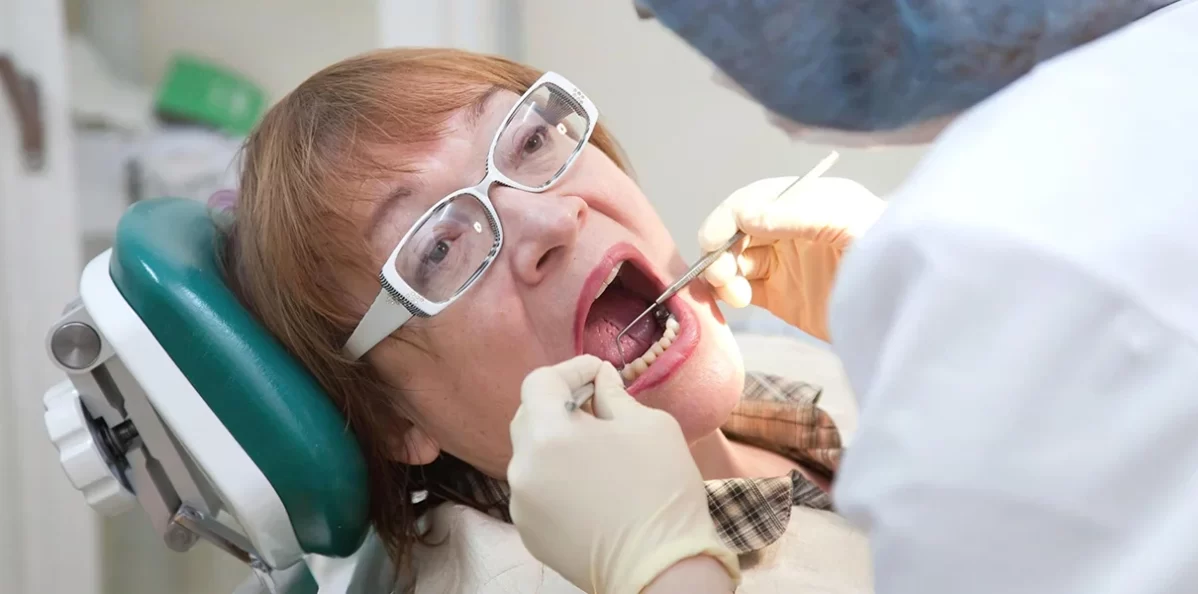
Teeth cleanings in Burke, VA, provide an added level of protection by removing buildup that cannot be cleared at home. Professional cleanings also allow early detection of enamel changes before they turn into larger cavities that require fillings or more involved treatment.
Tooth decay begins when plaque bacteria produce acids that gradually dissolve enamel. When plaque remains on the tooth surface for extended periods, repeated acid exposure leads to enamel breakdown.
Effective cavity control depends on consistent home hygiene and scheduled professional cleanings.
What Happens During a Professional Cleaning
Teeth naturally accumulate a soft film of bacteria, known as plaque, as the day goes on. Even with regular brushing, some areas are easy to miss. If plaque is left behind on the tooth surface, it can mineralize and become tartar.
Tartar bonds tightly to enamel and along the gumline, making it impossible to remove with a toothbrush alone.
During a professional dental cleaning, specialized instruments are used to carefully remove hardened deposits from the tooth surface and beneath the gumline.
This process ensures thorough plaque removal and tartar removal, reducing the number of bacteria that contribute to enamel breakdown.
After scaling is completed, the teeth are polished to create a smoother enamel surface. A smoother surface reduces the likelihood of rapid plaque accumulation after the appointment. In some cases, a fluoride treatment may also be applied to strengthen enamel and support remineralization.
How Oral Hygiene Relates to Cavity Prevention
Regular brushing and flossing are essential for limiting plaque and bacterial growth. However, certain areas of the mouth are more difficult to clean. Back molars, tight contacts between teeth, and regions near the gumline often trap plaque.
Professional cleanings address these vulnerable areas directly. By reducing bacterial levels in hard-to-reach areas, the risk of enamel damage decreases.
Cleanings also provide an opportunity to review brushing techniques and identify spots where plaque tends to collect.
Combining consistent home care with routine appointments creates a stronger defense against cavity formation.
How Often Should Cleanings Be Scheduled?
For many patients, professional cleanings are recommended every six months. This interval allows plaque and tartar to be removed before they contribute to significant enamel damage or gum inflammation.
However, the ideal schedule can vary depending on individual risk factors.
A dentist in Burke evaluates your oral health history, previous cavity experience, gum condition, and overall hygiene habits to determine an appropriate recall interval. Patients who develop tartar quickly, wear orthodontic appliances, or have a history of gum disease may require more frequent cleanings.
Postponing cleanings permits tartar buildup, which can increase the likelihood of both decay and gum irritation. Staying consistent with appointments helps maintain a healthier oral environment.
Early Signs of Cavities Your Dentist Can Detect
Cavities often begin without noticeable symptoms. In the earliest stages, enamel may develop small white areas that signal mineral loss. At this point, the damage may still be reversible with fluoride and improved hygiene.
During an examination at a Burke dental office, the dentist looks for subtle changes in enamel texture, discoloration, or softened areas. Dental X-rays may reveal decay between teeth or beneath existing restorations that cannot be seen during a visual exam.
When decay is identified early, treatment can be performed at an earlier stage, potentially limiting the size of restorations needed. Detecting cavities before they progress reduces the risk of more complex procedures.
Brushing at Home vs. Professional Cleanings
Brushing and flossing remove fresh plaque from the tooth surface, but they do not eliminate hardened tartar. Once plaque mineralizes, it requires professional instruments for safe removal.
Home care supports daily maintenance, while professional cleanings provide deeper removal of deposits and a thorough evaluation of oral tissues. Daily brushing and professional cleanings work together to support cavity control and gum health.
Both components are necessary. Without routine cleanings, tartar continues to build up.
Cleanings and Gum Health
Gum disease begins when plaque accumulates along the gumline. Bacteria trigger inflammation, leading to redness, swelling, or bleeding during brushing. If this condition progresses, it can affect the bone that supports the teeth.
Eliminating plaque and tartar reduces bacterial accumulation, thereby reducing gum inflammation. Healthy gums attach securely around teeth, protecting the underlying bone and lowering the risk of decay.
At Embrace Family Smiles of Burke, patients receive thorough evaluations and cleanings focused on maintaining gum health and reducing the risk of cavities.
Cavities typically develop gradually when bacterial plaque remains on tooth surfaces. Combining routine professional cleanings with proper daily care reduces the risk of decay and promotes healthy enamel and gum tissue.
The Importance of Early Orthodontic Intervention for Children

Many parents believe orthodontic treatment begins during the teenage years. In reality, orthodontics in Woodbridge, VA, can start earlier while a child’s jaw and teeth are still developing.
Early orthodontic care focuses on identifying emerging bite and alignment concerns before they worsen. A child’s teeth and jaw structures change rapidly. Permanent teeth replace baby teeth, and the jawbones continue to mature. Careful observation of these changes helps identify developing bite discrepancies that may require attention.
Early evaluation does not always mean immediate care. In many cases, it simply involves tracking development at appropriate intervals.
What Early Orthodontic Care Means
The purpose of early treatment is to recognize emerging bite problems before they worsen and to guide jaw development while growth is ongoing.
This phase is different from comprehensive braces. It may involve limited orthodontic appliances designed to improve spacing, adjust jaw position, or correct bite irregularities.
Addressing these concerns during development may prevent alignment problems from becoming more complex.
A comprehensive clinical assessment determines whether orthodontic care is appropriate. Growth patterns, oral hygiene, medical history, and facial development are reviewed before forming a plan.
When Should a Child Have an Orthodontic Evaluation?
Orthodontic associations recommend that children receive an initial evaluation around age seven. By this stage, enough permanent teeth have erupted to reveal potential spacing issues, jaw imbalances, or early signs of misaligned teeth.
An early consultation does not automatically lead to braces. In many situations, the provider monitors development and schedules periodic reviews. Visiting an orthodontist near you allows families to receive guidance tailored to their child’s specific growth stage.
Dental Concerns That May Be Corrected Early
Certain orthodontic conditions are easier to manage during childhood. These may include:
- Crossbite or open bite
- Jaw growth discrepancies
- Early signs of overcrowding of teeth
- Alignment irregularities affecting eruption patterns
When identified early, these concerns may be managed with more conservative approaches. Delaying care until growth is complete may increase the complexity of correction.
Why Growth Timing Matters
Children’s bones are still developing, which makes them more responsive to orthodontic guidance. Guiding jaw development at the appropriate stage may improve bite alignment and facial balance.
Improved spacing also supports better oral hygiene. Teeth that overlap are harder to clean and may increase the risk of plaque buildup. Proper spacing during development helps support gum health and protect enamel.
Early correction of visible alignment concerns may also support a child’s confidence during important developmental years.
Reducing the Need for More Complex Procedures
Untreated bite or alignment issues can become more pronounced as a child matures. Addressing concerns at the appropriate stage may reduce the need for complex procedures later.
When concerns are addressed at the appropriate stage, the need for extensive teeth overcrowding of teeth
adolescence may be limited. Decisions, however, are based on overcrowding of teeth
Early orthodontic care may involve different devices depending on the child’s needs. These include:
- Palatal expanders to widen the upper jaw
- Space maintainers to preserve room for permanent teeth
- Limited braces for targeted alignment
- Functional appliances that guide jaw development
Appliance selection depends on the growth pattern and the type of bite concern identified. Care plans are tailored and periodically reassessed to confirm steady progress.
At Embrace Family Smiles of Woodbridge dental office each child receives an individualized assessment focused on proper development and bite function.
This approach emphasizes evaluating development at the appropriate stage to prevent more complex alignment issues. Interceptive treatment takes place while Timely care during development may reduce the extent of teeth straightening required during adolescence.
A child still has a mix of primary and permanent teeth. Not every child requires early orthodontic care, but early evaluation provides valuable insight into jaw growth and tooth positioning.
Identifying concerns during childhood allows families to make informed decisions that promote stable bite function and lasting oral health.