Category: Uncategorized
Tips for Sensitive Teeth

TOOTH SENSITIVITY AFFECTS millions of people, causing sharp, sudden pain when consuming hot, cold, sweet, or acidic foods and beverages. While this common dental concern can be frustrating, understanding its causes and implementing the right strategies can help you manage discomfort and protect your teeth.
Understanding Tooth Sensitivity
Sensitive teeth typically occur when the protective enamel wears down or gums recede, exposing the underlying dentin. This layer contains tiny tubules that lead to the tooth’s nerve center. When stimuli reach these nerves through the tubules, you experience that characteristic zing of sensitivity.
Daily Care Strategies
Start with the right toothbrush. Choose a soft-bristled brush and use gentle, circular motions rather than aggressive back-and-forth scrubbing. Hard bristles and forceful brushing can accelerate enamel erosion and gum recession, worsening sensitivity over time.
Switch to toothpaste specifically designed for sensitive teeth. These products contain compounds like potassium nitrate or stannous fluoride that help block the tubules in your dentin, reducing pain signals to the nerve. For best results, use this toothpaste consistently for at least two weeks.
Dietary Considerations
Be mindful of acidic foods and drinks. Citrus fruits, tomatoes, wine, and soda can erode enamel gradually. If you consume these items, rinse your mouth with water afterward, but wait at least 30 minutes before brushing, as acid temporarily softens enamel.
Limit teeth whitening products if you experience sensitivity. While these treatments can brighten your smile, they may increase discomfort in already sensitive teeth. Consult your dentist about gentler alternatives or professional treatments with desensitizing components.
Lifestyle Habits
If you grind your teeth at night, talk to your dentist about a custom mouthguard. Bruxism wears down enamel and can crack teeth, leading to increased sensitivity. A properly fitted night guard protects your teeth while you sleep.
Maintain regular dental visits every six months. Professional cleanings remove plaque buildup that contributes to gum disease and recession. Your dentist can also apply fluoride varnish or desensitizing agents to provide additional protection.
When to Seek Professional Help
While occasional sensitivity is normal, persistent or severe pain warrants a dental evaluation. Your dentist can identify underlying issues such as cavities, cracked teeth, or gum disease that require specific treatment. In some cases, procedures like bonding, crowns, or gum grafts may be recommended to address the root cause.
Endodontists specialize in treating severe tooth pain and may recommend root canal therapy if sensitivity stems from nerve damage or infection. Orthodontists can address alignment issues that contribute to uneven wear and sensitivity.
Moving Forward
Tooth sensitivity doesn’t have to control your life. By adopting gentle oral care practices, making smart dietary choices, and working closely with your dental care team, you can significantly reduce discomfort. Remember that sensitivity often improves with consistent care and appropriate treatment. Don’t hesitate to discuss your symptoms with your dentist, who can create a personalized plan to help you enjoy your favorite foods and drinks without pain.
We can help you find a solution for your tooth sensitivity!
The content on this blog is not intended to be a substitute for professional medical advice, diagnosis, or treatment. Always seek the advice of qualified health providers with questions you may have regarding medical conditions.
Orthodontist Near Me: 7 Essential Questions to Ask Before Choosing the Right Provider

Understanding the Different Types of Dental Fillings

A filling is one of the most common treatments used to restore teeth affected by decay or structural damage. Understanding the materials available helps patients feel more confident when choosing the right option for long-term oral health. Whether you’re considering dental fillings in Burke, VA, or simply exploring your treatment choices, knowing how each type performs can make your decision easier and more informed.
Composite Fillings: Benefits and Common Uses
Composite fillings are popular because they blend naturally with the surrounding tooth structure. Made from a tooth-colored resin, composites bond directly to the tooth, which helps strengthen it once decay has been removed. Patients often prefer composites for front teeth or visible areas because of their seamless appearance.
These fillings are also versatile. They can repair chipped or cracked teeth in addition to treating small to medium-sized cavities. Composites set quickly under a special curing light, permitting patients to resume normal activities shortly after their appointment. Since the dentist removes less tooth structure for placement, composites are often considered a more conservative option for restoring teeth.
Amalgam Fillings and Their Long-Standing Role in Dentistry
Amalgam fillings have been used for generations. Made from a mixture of metals, they are known for their durability and strength. They are often recommended for back teeth, where chewing forces are strongest. While they have a silver appearance, many patients still choose amalgam because it is long-lasting and typically more affordable.
Amalgam can withstand years of use, making it a reliable solution for large cavities or areas needing reinforced support. Dentists often recommend this option when long-term durability is the main priority and aesthetics are less of a concern.
Ceramic Fillings for a Natural Appearance
Ceramic fillings are crafted from porcelain and offer excellent aesthetic appeal. They are highly resistant to staining and hold their color over time, making them ideal for patients who want both durability and a natural look.
Ceramics are often used for larger restorations, including inlays and onlays, especially when a tooth needs additional strength. Because they are custom-made in a dental lab, ceramic fillings usually require two visits. Their longevity and attractive finish make them a well-known choice for patients seeking long-lasting, natural-looking results.
Glass Ionomer Fillings for Added Fluoride Protection
Glass ionomer fillings are unique because they release fluoride over time. This makes them beneficial for patients with a higher risk of decay or for certain areas of the mouth where cavities are more likely to return.
Although they are not as strong as composite or ceramic restorations, glass ionomers bond well with the tooth and are often used for small cavities, root surface decay, or pediatric dentistry. Their fluoride-releasing property supports long-term cavity prevention, especially for those with ongoing oral health concerns.
Temporary Fillings and When They Are Used
Temporary fillings play an important role in various dental treatments. Dentists use them when a tooth requires more than one appointment to complete the restoration. This may occur when treating deep decay, preparing for a crown, or monitoring how a tooth responds before placing a permanent solution.
Temporary materials protect the tooth while preventing sensitivity or additional damage. Although they are not meant to last long, they maintain comfort and function until the final filling is placed.
Comparing the Durability of Different Filling Materials
The longevity of a filling depends on both the material chosen and how well the patient cares for their teeth. Understanding durability differences helps patients match their needs with the best restorative option.
Metal-based fillings, like amalgam, are often the longest-lasting, especially in areas with heavy chewing pressure. Ceramic restorations also offer excellent durability and resistance to wear, making them suitable for larger cavities. Composite fillings provide a natural appearance but may wear faster in high-stress areas. Glass ionomers tend to have the shortest lifespan but offer benefits for patients needing fluoride reinforcement.
Regular brushing, flossing, and timely visits to your Burke dental office help extend the life of any filling, regardless of material.
Conclusion
Choosing the right filling depends on the size of your cavity, your aesthetic preferences, and the tooth’s location. Each material offers its own advantages, whether you prioritize natural appearance, strength, or fluoride protection. If you need guidance or have concerns about your options, a great place to start is a trusted dentist in Burke who can evaluate your needs and recommend the best solution.
For patients seeking personalized care and comfortable treatment, Embrace Family Smiles of Burke offers a supportive environment where your oral health needs are always the top priority.
5 Surprising Benefits of Dental Crowns You Didn't Know About
Introduction
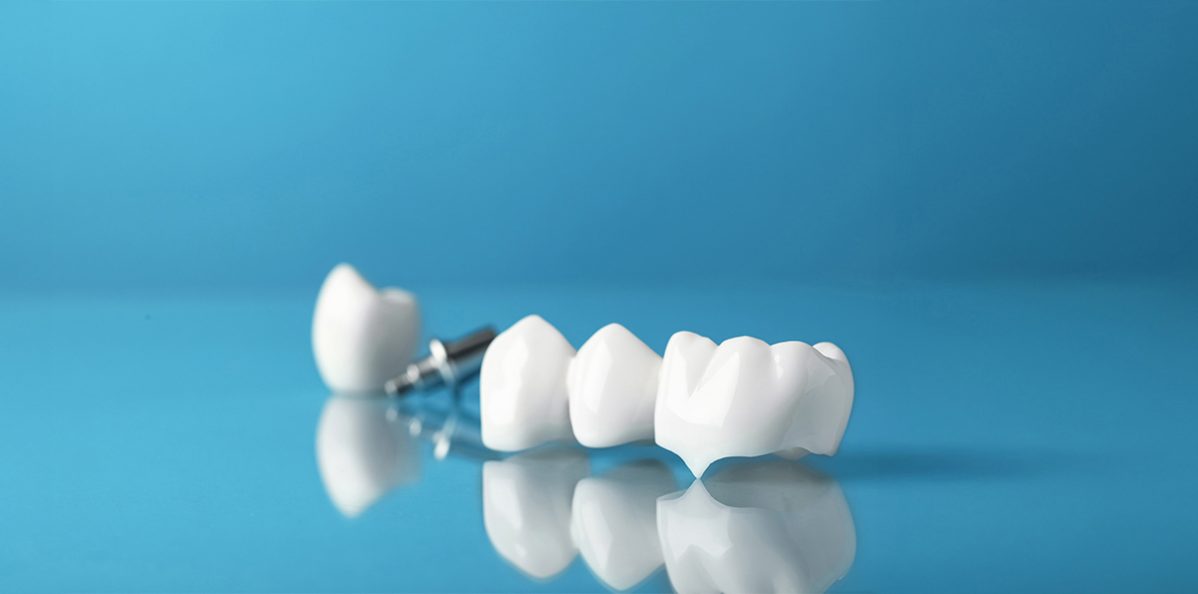
When people think about dental crowns, they often view them as a basic solution for damaged teeth. However, crowns offer much more than simple protection. If you are considering dental crowns in Burke, VA, you may be surprised to learn how these restorations support strength, function, appearance, and long-term oral health. Beyond restoring a tooth’s shape, crowns help preserve your bite, prevent further damage, and support a confident smile. Understanding these lesser-known benefits can help you make more informed decisions about your dental care.
How Dental Crowns Restore Tooth Strength and Stability
A damaged or weakened tooth may not withstand the everyday pressure of chewing. Crowns are specially designed to completely cover the visible part of the tooth, reinforcing it from all sides.By acting as a protective outer layer, crowns restore stability and help the tooth function normally again. This added support allows the tooth to handle daily use without an increased risk of further damage. Many patients with teeth crowns notice improved comfort and confidence when biting or chewing after treatment.
Protecting Weak Teeth from Further Damage
Teeth with large fillings, cracks, or significant wear are more vulnerable to breaking. Without proper reinforcement, these weakened teeth may continue to deteriorate over time.Crowns act as a barrier that protects the underlying tooth from additional stress, bacteria, and temperature sensitivity. Often referred to as dental caps, they help stop damage before it leads to more complex problems. Protecting a compromised tooth early can reduce the need for more extensive procedures in the future.
The Role of Crowns in Preventing Tooth Loss
Tooth loss does not always happen suddenly and often develops over time. In many cases, it results from gradual damage that worsens when left untreated.
By stabilizing damaged teeth, crowns help preserve the remaining natural tooth structure. This reduces the likelihood that a tooth will need to be removed later. Patients who receive timely care at a dental office in Burke often avoid complications that could otherwise lead to tooth loss.
Improving Bite Alignment and Chewing Efficiency
An uneven bite can place excess pressure on certain teeth, leading to discomfort and uneven wear. Crowns are custom-shaped to fit precisely with surrounding teeth, helping restore proper alignment.
When the bite is properly balanced, chewing becomes more efficient and comfortable. This reduces strain on the jaw and neighbouring teeth. A well-fitted crown supports smoother movement during eating and speaking, allowing the mouth to function as intended.
Enhancing Smile Appearance with Natural-Looking Crowns
Modern crowns are designed to very closely match the appearance of natural teeth. Advances in dental materials allow crowns to blend in with surrounding teeth in colour, shape, and translucency.
For patients concerned about appearance, crowns provide a discreet solution that enhances the smile while maintaining strength and durability. A Burke dentist can help select materials that create a natural look while supporting long-term function. Many patients find that crowns restore both confidence and comfort.
How Dental Crowns Support Overall Oral Health
Crowns do more than simply protect individual teeth. By maintaining proper spacing and alignment, they help support overall oral health.
Benefits include:
- Reducing the risk of further decay
- Preventing neighbouring teeth from shifting
- Supporting balanced jaw function
- Helping maintain a stable bite
When teeth are protected and aligned correctly, daily oral hygiene becomes easier and more effective. This contributes to healthier gums and lowers the risk of future dental concerns.
Long-Term Benefits with Proper Care
Crowns are designed to be durable, but ongoing care helps ensure long-term function and comfort. With excellent oral hygiene and consistent dental visits, crowns can last for many years.
Brushing, flossing, and avoiding excessive force on restored teeth all play a role in protecting your investment. Routine check-ups allow your dentist to monitor both the crown and the surrounding teeth for continued success.
Final Words
Dental crowns offer far more benefits than many people realize. From restoring strength and preventing further damage to improving bite alignment and appearance, crowns play an important role in long-term oral health. When thoughtfully planned and properly fitted, crowns help preserve natural teeth and maintain everyday comfort. For patients exploring crown options, Embrace Family Smiles of Burke provides careful guidance focused on protecting oral health and supporting confident smiles.
Answering the Questions Dentists Hear Most

AS DENTAL PROFESSIONALS, we love when patients ask us questions. It shows they care about their oral health and want to make informed decisions. Over the years, we’ve noticed certain questions come up again and again. Here are the answers to some of the most common ones we hear.
How often should I really be coming in for cleanings?
Most patients benefit from professional cleanings every six months. However, some people need more frequent visits depending on their oral health history, gum disease risk, or other factors. Regular cleanings remove tartar buildup that brushing and flossing can’t address, helping prevent cavities and gum disease before they become serious problems.
Do I really need to floss every day?
Yes, and here’s why: your toothbrush can’t reach the surfaces between your teeth where food particles and plaque accumulate. These areas are prime spots for cavities and gum disease to develop. Flossing once daily removes debris from these tight spaces and helps keep your gums healthy. If traditional floss is difficult to use, ask about alternatives like floss picks or water flossers.
Why do my gums bleed when I brush or floss?
Bleeding gums are often a sign of inflammation caused by plaque buildup. While it might seem counterintuitive, the solution is usually to brush and floss more consistently, not less. Healthy gums shouldn’t bleed with normal brushing and flossing. If bleeding persists after a week or two of improved oral hygiene, schedule an appointment so we can evaluate for gum disease.
When should my child first visit the dentist?
The American Academy of Pediatric Dentistry recommends children visit within six months of their first tooth emerging, or by their first birthday. Early visits help establish good habits, allow us to monitor development, and catch potential issues before they become problems. Baby teeth are important placeholders for adult teeth and deserve proper care.
Are electric toothbrushes better than manual ones?
Both can be effective when used properly. However, many patients find electric toothbrushes easier to use correctly because they do much of the work for you. Some models include timers to ensure you brush for the full two minutes and pressure sensors to prevent brushing too hard. The best toothbrush is the one you’ll use consistently and correctly.
What causes bad breath, and how can I fix it?
Persistent bad breath often stems from bacteria on the tongue, between teeth, or in gum pockets. Regular brushing, flossing, and tongue cleaning usually help. Staying hydrated and avoiding tobacco also make a difference. If bad breath continues despite good oral hygiene, it could indicate gum disease, decay, or even medical conditions requiring attention.
We’re always here to help you understand your oral health better!
The content on this blog is not intended to be a substitute for professional medical advice, diagnosis, or treatment. Always seek the advice of qualified health providers with questions you may have regarding medical conditions.
How Family Dentistry Can Improve Your Family's Oral Health?

When you look for family dentistry in Dale City, VA, you are looking for more than a place to get a filling. You want a team that understands your children, supports you as a busy parent, and guides your loved ones as they age. A family-centered practice brings toddlers, teens, adults, and grandparents under one roof, which means fewer locations to manage, less driving around town, and care that stays in step with the changes in your life.
Over time, one dental home learns your story. They see how your mouth responds to treatment, what concerns you most, and which habits your family struggles to maintain. That ongoing relationship turns simple appointments into continuous guidance for healthier smiles.
Comprehensive Dental Care for Every Stage of Life
A family dentist in Dale City is trained to care for smiles at all ages, from the first baby tooth to full dentures. That wide experience is one of the strongest advantages of choosing a single practice for your entire household.
For very young children, visits are about gentle introductions and simple checks. As kids grow, the focus often shifts to alignment, sports mouthguards, and food choices. Adults may need fillings, crowns, night guards, or cosmetic care. Older adults often face dry mouth, worn enamel, or missing teeth. When one team understands all these stages, they can plan treatment that fits life as it changes.
Preventive Treatments That Protect the Whole Family
Home care matters, but professional prevention strengthens that routine. In a dedicated family dentist office, your loved ones can receive:
- Thorough cleanings to remove plaque and tartar
- Gentle exams to catch early concerns
- Fluoride to support strong enamel
- Sealants to protect the deep grooves in the back teeth
Routine appointments reduce the risk of cavities, gum disease, and sudden emergencies. When everyone in the household sees the same team, keeping up with visits becomes easier and more consistent.
Building Consistent Oral Care Habits Through Family Visits
Healthy habits take root when they are shared. Regular visits to a trusted family dental clinic help make oral care a natural part of life. Children observe parents asking questions and listening to advice, showing them that dental care is important and nothing to fear.
Your dental team can help shape routines that fit each age group. Young children may enjoy brushing charts. Teens may need honest guidance about sugary drinks or mouthguards. Adults might learn which tools make flossing easier. Over time, these strategies build a home environment where everyone’s oral health is valued.
Early Detection of Dental Issues in Children and Adults
Consistent visits make it easier to spot small changes. Exams at a family and general dentist practice allow your providers to compare your teeth and gums over time. That long-term view can reveal:
- Tiny cavities before they spread
- Early gum irritation
- Signs of grinding or clenching
- Alignment issues in growing children
For kids, early detection may prevent more complex treatment later. For adults, it can save a tooth that might otherwise need extensive work. The earlier a problem is found, the simpler the solution usually is.
Managing Oral Health Changes As Your Family Grows
Life events affect oral health. Pregnancy, stress, new medications, long work hours, and conditions like diabetes can all influence your mouth. A practice that treats your whole household can help you understand what these changes mean.
When a new baby arrives, your dentist can guide you on feeding, pacifiers, and timing for the first visit. As children grow, they can advise on braces and sports safety. Later in life, they can assist with dentures, implants, and dry mouth concerns. Having a single team guide your family through these stages removes confusion and supports long-term health.
Personalized Treatment Plans for Individual Family Needs
Even within the same household, dental needs vary. A thoughtful practice understands that one person may rarely get cavities, while another may be more prone to decay. A personalized plan ensures each family member gets the right care.
Your dentist might recommend whitening for one person, sealants for a child, or a night guard for someone who grinds their teeth. They help you prioritize what needs immediate attention and what can wait. This approach keeps care practical, focused, and tailored.
Final Thoughts
Healthy smiles are built through prevention, routine, and guidance from a trusted team. A practice like Embrace Family Smiles of Dale City can become your family’s long-term dental home, offering care that grows alongside you. When you choose a family-focused office, you give your loved ones a clearer, simpler path to strong oral health at every age.
Understanding the Role of a General Dentist in Maintaining Oral Health
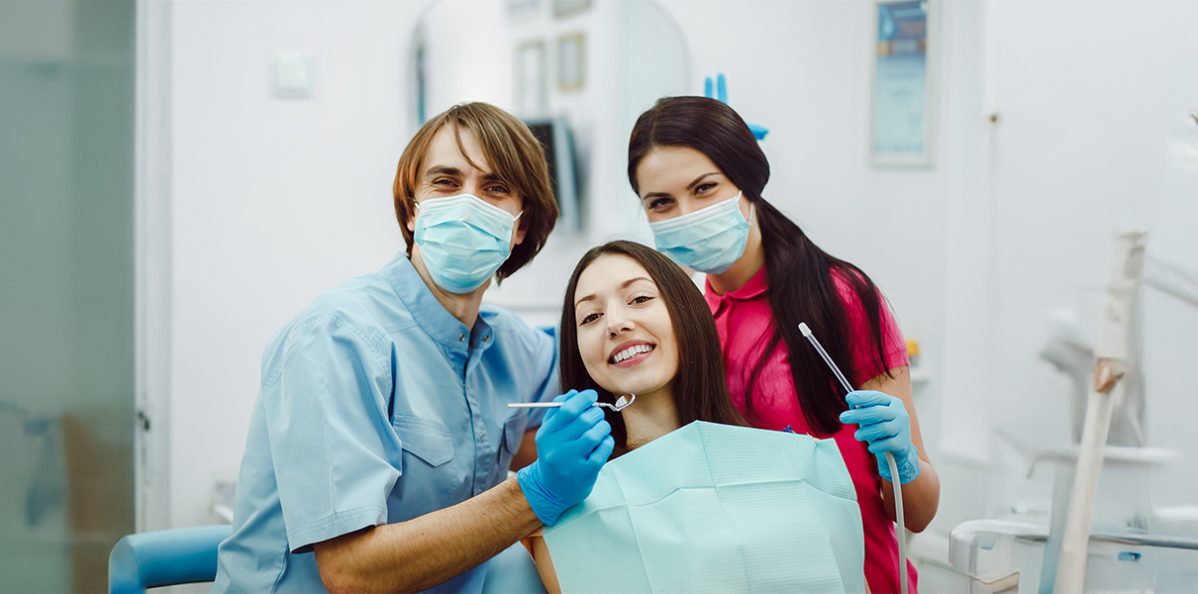
Strong teeth and healthy gums do more than help you chew. They support clear speech, confidence, and overall health. That is why many families look for general dentistry in Woodbridge, VA, as their first step in caring for their smiles. A general dentist serves as your primary oral health partner, guiding you through routine checkups, treatment, and home care so small issues stay small.
This blog explains what a general dentist does, how ongoing visits protect your teeth, and why consistent care matters at every age.
Preventive Care Services Provided by a General Dentist
Preventive visits make it easier to protect your teeth and gums, catching small changes early and supporting long-term oral wellness. During routine visits, a general dentist:
- Examines teeth and gums for initial signs of concern
- Removes soft and hardened plaque that brushing leaves behind
- Polishes teeth to smooth surfaces and reduce future buildup
- Reviews your home care routine and suggests small improvements
Many people find a general dental clinic that offers care for children and adults in one place, so the whole household can build healthy habits together.
The Importance of Routine Dental Exams and Cleanings
Routine exams and professional cleanings help keep decay and gum disease in check. Even with careful brushing and flossing, plaque hardens into tartar in areas that are hard to reach at home. Dental instruments are needed to remove it.
During an exam, your dentist checks your bite, jaw joints, existing fillings, and restorations. Your hygienist cleans along the gumline, between teeth, and behind the back molars. These visits lower the risk of toothache, infection, and complex treatment later.
When someone searches for a general dentist near me, they often want this kind of consistent, preventive care close to home.
Detecting Cavities and Gum Disease In Time
Cavities and gum disease often start without pain. Regular checkups allow your dentist to spot:
- Tiny weak spots in enamel
- Initial gum inflammation
- Bleeding points during gentle probing
- Small pockets forming around teeth
Treating problems at this stage often means simpler procedures, such as small fillings or a focused cleaning, instead of root canals, crowns, or gum surgery. Care at this point also preserves more natural tooth structure, which supports long-term comfort and function.
How General Dentists Monitor Overall Oral Health Changes
Your mouth changes over time. Teeth shift, gums recede, wear patterns appear, and medical conditions or medications can affect saliva flow. A general family dentist tracks these changes from visit to visit.
They compare notes, images, and X-rays over the years to see trends. They may watch a small crack, monitor grinding, or track recession around certain teeth. By looking at the full picture, your dentist can plan care that fits your needs, goals, and health history.
Patient Education for Better Day-To-Day Oral Hygiene
Dentists and hygienists do much more than fix problems. They coach patients on how to care for their teeth every day. During a visit, your care team may:
- Demonstrate brushing and flossing techniques
- Recommend toothbrush types or interdental aids
- Suggest toothpaste options based on your risk level
- Talk through diet choices that affect decay and erosion
Many patients appreciate it when a general dental office explains the “why” behind each tip. When you understand how plaque forms and how gum disease develops, it becomes easier to stick with good habits at home.
The Role of X-Rays in Ongoing Oral Health Assessment
X-rays give your dentist a clear view of areas that cannot be seen during a visual exam. With periodic images, your dentist can:
- Detect decay between teeth
- Check bone levels around roots
- Evaluate the fit of crowns and fillings
- Monitor developing teeth in children and teens
By combining what they see in your mouth with what X-rays reveal, your dentist can create a personalized plan that protects your smile over the long term and reduces the chance of urgent dental visits.
Final Thoughts
A trusted general dentist serves as your first line of defense against oral health problems and your guide through each stage of care. From routine cleanings to prompt diagnosis and patient education, their goal is to keep your teeth and gums strong so you can eat, speak, and smile with comfort.
If you are looking for ongoing care for yourself or your family, consider partnering with Embrace Family Smiles of Woodbridge for your next checkup and professional cleaning.
Tobacco: Dangerous to Teeth in Any Form

WHEN PEOPLE THINK about the dangers of tobacco, lung cancer and heart disease typically come to mind first. However, tobacco products pose serious and immediate threats to oral health, regardless of how they’re consumed. Whether smoked, chewed, or vaped, tobacco damages teeth and gums in ways that can lead to painful, expensive, and sometimes irreversible consequences.
The Impact of Smoking on Oral Health
Cigarettes and cigars create multiple problems for your mouth. The smoke itself reduces blood flow to the gums, making it harder for them to receive essential nutrients and fight off infection. This compromised circulation is why smokers are twice as likely to develop gum disease compared to non-smokers.
Smoking also stains teeth significantly. The tar and nicotine in cigarettes leave yellowish or brownish deposits that penetrate tooth enamel over time. These stains become increasingly difficult to remove with regular brushing alone, often requiring professional whitening treatments.
Beyond cosmetic concerns, smoking slows healing after dental procedures. If you need a tooth extraction, implant, or gum surgery, smoking interferes with your body’s natural recovery process, increasing the risk of complications and infections.
Smokeless Tobacco Carries Equal Risks
Some people mistakenly believe that chewing tobacco or snuff is safer than smoking because it doesn’t involve inhaling smoke. Unfortunately, smokeless tobacco products are just as harmful to your oral health, if not more so.
These products sit directly against your gums and cheeks for extended periods, exposing soft tissues to dangerous chemicals. This constant contact frequently leads to gum recession, where the gum tissue pulls away from teeth and exposes sensitive root surfaces. Once gums recede, they don’t grow back.
Smokeless tobacco users also face dramatically increased risks of oral cancer. The mouth, tongue, cheeks, and throat are all vulnerable to cancerous changes when exposed to these products regularly. Early signs include white patches, red sores, or lumps in the mouth that don’t heal.
E-Cigarettes Aren’t a Safe Alternative
Many people have turned to vaping, assuming it’s a healthier choice. While e-cigarettes may contain fewer carcinogens than traditional cigarettes, they still harm your teeth and gums.
The nicotine in vape products restricts blood flow just like cigarettes do, contributing to gum disease. Additionally, many vaping liquids contain high amounts of sugar and acids that erode tooth enamel. The aerosol from vaping also dries out your mouth, reducing saliva production. Since saliva helps wash away bacteria and neutralize acids, a dry mouth creates an ideal environment for cavities to develop.
Protecting Your Smile
The best way to protect your oral health is to avoid tobacco products entirely. If you currently use tobacco, quitting is the single most important step you can take for your teeth and overall health.
Your dentist can be a valuable partner in this journey. Regular dental checkups become even more critical for tobacco users, as early detection of problems can prevent more serious complications. Don’t hesitate to discuss cessation resources with your dental team.
We’re here to help you achieve a healthier, brighter smile!
The content on this blog is not intended to be a substitute for professional medical advice, diagnosis, or treatment. Always seek the advice of qualified health providers with questions you may have regarding medical conditions.
Healthy Snacks for Healthy Smiles

Clear Aligners in Burke: Are They the Right Choice for Your Smile?

Are you tired of hiding your smile because of crooked teeth? If Set featured image you’re considering orthodontic treatment but worry about the appearance of traditional braces, clear aligners in Burke might be exactly what you’re looking for. These virtually invisible teeth-straightening solutions have revolutionized how people achieve their dream smiles without the metal and wires of conventional braces.
Let’s explore whether clear aligners could be the perfect fit for transforming your smile and boosting your confidence.
What Exactly Are Clear Aligners?
Clear aligners are custom-made, removable plastic trays that gradually move your teeth into their ideal positions. Think of them as invisible guides that gently nudge your teeth where they need to go. Unlike traditional braces that use brackets and wires, these transparent trays are nearly undetectable when you’re wearing them.
The process starts with a detailed scan of your teeth. Using advanced 3D technology, your orthodontist creates a personalized treatment plan. You’ll receive a series of aligners, typically changing to a new set every one to two weeks, with each one slightly different to continue guiding your teeth into alignment.
Are Clear Aligners Right for You?
Clear aligners work best for specific types of orthodontic issues. They’re particularly effective for:
- Mild to moderate crowding
- Spacing between teeth
- Minor bite issues
- Slight rotations
However, they might not be the ideal choice for severe overcrowding, significant bite problems, or complex tooth movements that require more precise control.
The American Association of Orthodontists emphasizes that a thorough evaluation by a qualified orthodontist is essential to determine if clear aligners can achieve your specific treatment goals.
The Clear Advantages of Choosing Aligners
Virtually Invisible Appearance
The most obvious benefit? You can straighten your teeth without anyone knowing. Whether you’re presenting at work or taking photos, your aligners won’t steal the spotlight from your smile.
Removable Convenience
Unlike traditional braces, you can remove your aligners for eating, drinking, and cleaning your teeth. This means no food restrictions. You can still enjoy popcorn, apples, and sticky foods.
Comfortable Treatment Experience
Clear aligners are made from smooth plastic without sharp edges or protruding wires. Most patients find aligners more comfortable than traditional braces.
Easy Oral Hygiene
Since you can remove your aligners, brushing and flossing remain simple. You won’t need special tools, reducing your risk of cavities during treatment.
What to Expect During Your Clear Aligner Journey
Your treatment begins with a comprehensive consultation where your orthodontics provider evaluates your teeth and discusses your goals. If clear aligners are recommended, you’ll receive your custom treatment plan.
Most patients wear their aligners for 20-22 hours daily, removing them only for eating, drinking (except water), and oral hygiene. You’ll visit your dental office every 6-8 weeks to monitor progress.
Treatment duration varies depending on your needs, but most cases complete within 12-18 months. Some minor adjustments might finish in as little as 6 months.
Caring for Your Clear Aligners
Proper aligner care ensures the best results. Rinse your aligners with lukewarm water when removing them, and brush them gently with a soft toothbrush. Avoid hot water, which can warp the plastic.
Maintaining excellent oral hygiene during orthodontic treatment prevents complications. Brush and floss thoroughly before putting your aligners back in.
Store your aligners in their protective case when not wearing them to prevent loss and protect them from damage.
Cost Considerations for Clear Aligner Treatment
Clear aligner costs vary depending on your treatment complexity and duration. Many dental insurance plans offer orthodontic benefits that apply to aligner treatment.
Most practices offer flexible payment options, including monthly payment plans. During your consultation, discuss all financial options to find a plan that fits your budget.
Why Choose Professional Clear Aligner Treatment in Burke?
While direct-to-consumer aligner companies advertise convenience, professional supervision ensures safer and more effective treatment. Your local Burke orthodontic team monitors your progress and addresses concerns promptly.
Professional treatment includes comprehensive examinations and ongoing support throughout your journey. This level of care helps prevent complications and ensures optimal results.
Making Your Decision About Clear Aligners
Clear aligners offer an excellent solution for many adults and teens who want straighter teeth without visible braces. They’re particularly appealing for professionals and anyone who values discretion during treatment.
However, success depends on patient compliance. You must wear your aligners as directed and maintain excellent oral hygiene. If you’re ready to commit to the treatment requirements, clear aligners could be perfect for achieving your ideal smile.
Ready to discover if clear aligners are right for you? Schedule a consultation with experienced orthodontic professionals who can evaluate your needs and create a personalized treatment plan.
Looking for trusted clear aligners in Burke? Contact the team at Embrace Family Smiles to explore your options and transform your smile with professional clear aligner treatment tailored for you.