Category: Uncategorized
From Crooked to Confident: Invisalign in Woodbridge Can Help
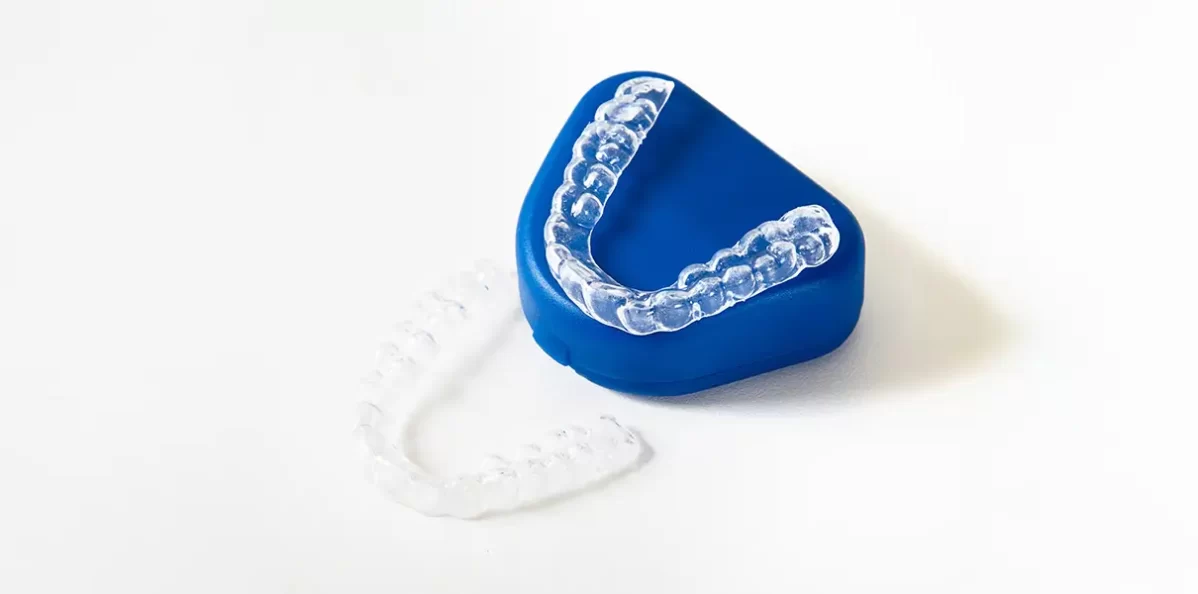
A confident smile begins with healthy development, and addressing alignment concerns early can make a lasting difference. If your child has crowded teeth, gaps, or bite concerns, Invisalign aligners for kids and teens in Woodbridge, VA offer a comfortable, nearly invisible alternative to traditional braces. With a personalized treatment plan and regular progress checks, clear aligners can guide growing smiles while fitting naturally into everyday life.
Why Early Orthodontic Treatment Matters
Children’s teeth and jaws continue to develop throughout childhood and adolescence. Identifying orthodontic concerns during these growing years allows your dentist to monitor development and recommend treatment when the timing is most beneficial.
Early evaluations can detect issues such as crowding, spacing, overbites, underbites, and crossbites before they become more complex. In some cases, timely intervention may create space for permanent teeth to erupt into healthier positions and reduce the need for more extensive treatment later. A comprehensive orthodontic evaluation, combined with digital smile assessment, helps determine the most appropriate approach based on your child’s unique dental development.
How Invisalign Helps Kids and Teens Achieve Straighter Smiles
A series of custom-crafted clear aligners gently shifts your teeth into their ideal positions over time, providing a precise and comfortable fit.
Many families choose clear aligners for kids because they blend seamlessly into school, sports, and social activities. Since the trays are smooth and nearly invisible, children often feel more confident wearing them throughout the day. Routine monitoring appointments ensure that tooth movement is progressing as planned while allowing your dentist to answer questions and provide guidance on aligner care.
Common Orthodontic Problems Clear Aligners Can Correct
Clear aligners can effectively address many mild to moderate orthodontic concerns, including:
- Crowded teeth that are difficult to clean.
- Small spaces between teeth.
- Mild bite alignment concerns affect everyday function.
- Teeth that have shifted after previous orthodontic treatment.
- Slightly rotated or uneven teeth.
A digital evaluation helps determine whether teen orthodontic aligners are appropriate for your child’s needs or if another orthodontic option would provide a better long-term outcome.
Benefits of Invisalign Compared to Traditional Braces
Every orthodontic treatment has advantages, but clear aligners offer several benefits that appeal to growing families.
- Nearly invisible appearance.
- Smooth trays without metal brackets or wires.
- Removable during meals and oral hygiene.
- Easier brushing and flossing throughout treatment.
- Fewer emergency appointments for broken appliances.
- Customized treatment planning based on your child’s dental development.
While traditional braces remain the preferred choice for some complex orthodontic cases, clear aligners can provide excellent results for many children and teens when recommended after a comprehensive examination.
Is Your Child a Good Candidate for Clear Aligners?
Not every child requires the same orthodontic treatment. During a consultation, your dentist will evaluate tooth alignment, bite development, oral hygiene, and overall dental health before recommending the most suitable option.
Children who typically benefit from clear aligners often:
- Have mild to moderate alignment concerns.
- Can wear their aligners for the recommended number of hours each day.
- Maintain good oral hygiene habits.
- Feel motivated to follow treatment instructions.
If you’re looking for an orthodontist near you, scheduling an early orthodontic evaluation provides valuable insight into your child’s developing smile and available treatment options.
Tips for Helping Kids Stay on Track with Treatment
Successful aligner treatment depends on consistency. Consistent aligner wear, daily cleaning, and proper storage are important habits that can help your child’s treatment progress as planned.Modern teeth straightening for children focuses on creating healthier smiles while supporting proper bite development and long-term oral health.
Simple routines such as setting reminders, keeping an aligner case nearby, and attending scheduled progress visits make it easier for children to develop good habits. Families from Dale City, Lake Ridge, and Occoquan also appreciate having a conveniently located dental office in Woodbridge for routine checkups throughout treatment.
Final Thoughts
Helping your child achieve a straighter smile during the growing years can support both oral health and self-confidence. With personalized treatment planning, regular monitoring, and modern orthodontic technology, clear aligners offer a comfortable solution for many young patients.
If you’d like to learn whether Invisalign is right for your child or teenager, schedule a consultation with Embrace Family Smiles of Woodbridge to receive a personalized orthodontic evaluation and treatment plan.
Frequently Asked Questions
Many children benefit from an orthodontic evaluation by age seven. Even if treatment is not needed immediately, early monitoring allows your dentist to identify developing concerns and recommend the best time to begin care.
Yes. Clear aligners can be removed for sports, meals, and brushing. Your dentist may also recommend a protective mouthguard for contact sports.
For the best results, aligners are generally worn for 20 to 22 hours each day unless your dentist provides different instructions.
Because they are removable, clear aligners make brushing and flossing more convenient than cleaning around brackets and wires.
Most patients return periodically so their dentist can monitor tooth movement, provide the next set of aligners, and make sure treatment is progressing as planned.
Maximising Your Dental Health with Dental Sealants in Dale City

Deep grooves present on the chewing surfaces of back teeth can trap food debris and plaque, even with careful brushing. Over time, these hard-to-clean areas may become more vulnerable to decay. Dental sealants in Dale City, VA offer a simple preventive option for covering these grooves and helping healthy enamel stay protected. Learning how sealants work allows families to make informed decisions about long-term dental care.
What Are Dental Sealants and How Do They Work?
Dental sealants are thin layers of resin placed over the chewing surfaces of both molars and premolars. These teeth often contain narrow pits and grooves that are difficult for toothbrush bristles to clean thoroughly.
Once applied, the material flows into those uneven areas and hardens. The smooth surface limits the buildup of food debris and bacteria within these grooves, reducing the risk of decay. Although sealants do not replace brushing or flossing, they provide added support in areas that are naturally harder to keep clean.
Who Can Benefit from Dental Sealants?
Children often receive sealants soon after their permanent molars erupt. Applying sealants early may lower the risk of decay while children are still developing consistent oral hygiene habits.
Teenagers may also benefit, especially if their back teeth have deep grooves or they have experienced previous decay. Adults without fillings or cavities on their molars may sometimes be suitable candidates as well.
A dental examination is recommended before treatment to determine whether sealants are appropriate. During the visit, the dentist evaluates each tooth, assesses cavity risk, and determines whether tooth sealants are an appropriate preventive option.
How Sealants Help Prevent Cavities
Cavities develop when acids produced by bacteria causes weakening of tooth enamel. Molars are more susceptible to decay because their chewing surfaces contain deeper natural grooves than front teeth.
By covering these vulnerable areas, sealants reduce direct contact between the enamel and decay-causing substances. This added cavity protection can be especially valuable for people who have frequent decay, difficulty cleaning their back teeth, or dietary habits that raise their risk.
Sealants cannot treat existing cavities. If decay is already present, the affected tooth may require a different treatment before any preventive material is considered.
The Dental Sealant Application Process
Applying sealants is typically a simple procedure that does not require any drilling or removal of any healthy tooth structure. The process generally includes the following steps:
- The tooth is examined and cleaned.
- The surface is dried and kept free of saliva.
- A conditioning solution is placed on the enamel.
- The tooth is rinsed and dried again.
- The sealant material is judiciously painted into the grooves.
- A curing light may be used to harden the material.
- The bite is checked to confirm that the tooth feels comfortable.
The finished dental coating blends naturally with the tooth because it is typically clear, white, or lightly tinted.
How Long Do Dental Sealants Last?
Sealants can remain effective for several years, although their longevity varies from person to person. Chewing pressure, teeth grinding, eating habits, and the depth of the original grooves can all affect wear.
During routine checkups, the dentist inspects the sealant for wear, cracks, or areas that may need repair. A worn section may be repaired or replaced when needed. Regular monitoring helps ensure that the protective teeth coating continues to cover the intended surface.
Caring for Your Teeth After Getting Sealants
Most people can resume their usual meals and beverages shortly after the appointment. The treated teeth may feel slightly different at first, but this sensation usually fades as the bite adjusts.
Sealants still require consistent home care. Brush two times daily using fluoride toothpaste, floss daily, and limit frequent sugary snacks or drinks. Avoid regularly chewing ice or very hard objects, as excessive pressure may damage both natural enamel and preventive materials.
Routine dental visits also give the dental team an opportunity to monitor the sealants and evaluate your overall oral health.
Sealants vs. Fluoride: Understanding the Difference
Sealants and fluoride both support prevention, but they work differently. Sealants form a physical barrier over the pits and grooves of back teeth. Fluoride strengthens enamel and makes teeth much more resistant to acid damage.
Fluoride strengthens many tooth surfaces, while sealants primarily protect chewing surfaces with deep grooves. Based on age and cavity risk, a dentist may recommend fluoride, sealants, or both as part of a personalized preventive plan.
When to Schedule a Preventive Dental Visit
Consider scheduling a visit when a child’s permanent molars begin to erupt, if cavities occur frequently, or when back teeth are difficult to clean effectively. An evaluation is also useful if an existing sealant feels rough, appears damaged, or seems to be missing.
Families from Woodbridge, Lake Ridge, Montclair, Occoquan, and Dumfries can discuss preventive options with a dentist in Dale City based on individual oral health needs.
Protect Vulnerable Teeth with Preventive Care
Sealants can provide valuable support, but the decision to use them should follow a complete dental assessment. The team at Embrace Family Smiles of Dale City can examine vulnerable teeth, evaluate decay risk, and explain whether sealants are appropriate for you or your child.
Seeking preventive care before problems arise may help preserve healthy enamel and lessen the need for more extensive treatment in the future.
Frequently Asked Questions
Say Goodbye to Metal Braces: Invisalign Clear Aligners in Burke

If you’re looking for a discreet alternative to traditional braces, Invisalign clear aligners in Burke, VA can provide a comfortable and convenient orthodontic solution for many patients. Clear aligners gradually guide teeth into better alignment while remaining removable for eating, brushing, and flossing. Many children, teens, and adults appreciate the flexibility of aligners because they fit easily into everyday routines. At the Burke location, Embrace Family Smiles provides orthodontic care for kids, teens, and also adults, including clear aligners and traditional braces, with evaluations performed by a board-certified orthodontist.
What Are Invisalign Clear Aligners?
Clear aligners are custom-made trays that fit snugly over teeth and apply gentle, controlled pressure to move them into their planned positions. Treatment starts with a comprehensive orthodontic evaluation and digital assessment to determine whether clear aligners are a suitable choice for your smile.
Unlike fixed braces, teeth aligners can be removed during meals and oral hygiene. This flexibility makes it easier to maintain healthy brushing and flossing habits throughout treatment while continuing to enjoy most of your favorite foods.
Why Patients Are Choosing Clear Aligners Over Metal Braces
Patients often choose clear aligners because they are less noticeable than metal braces during conversations, school activities, and professional settings.
Without brackets or wires, there is less chance of irritation from orthodontic hardware or appliance-related issues. Their removable design also makes brushing and flossing easier throughout treatment. Success, however, depends on wearing the aligners for the suggested number of hours each day and attending scheduled progress visits.
Orthodontic Issues Invisalign Can Treat
Clear aligners may be recommended for many mild to moderate orthodontic concerns, including:
- Crowded teeth
- Spaces between teeth
- Mild overbites
- Mild underbites
- Crossbites
- Certain bite alignment concerns
Clear aligners are effective for many situations, but they are not the best choice for every orthodontic condition. A thorough examination helps identify the treatment that best matches your bite, tooth position, and overall oral health.
Benefits of Invisalign for Kids and Teens
Flexible orthodontic options can make treatment easier to manage alongside school schedules and extracurricular activities. Depending on a child’s stage of dental development and orthodontic needs, clear aligners may be recommended as part of kids and adult orthodontics.
Children with developing smiles often benefit from early monitoring, while teenagers often prefer the nearly invisible appearance of aligners during school and social activities. Younger patients should be able to wear the aligners as instructed and follow proper home-care routines for successful treatment.
Parents who already visit a pediatric dentist in Burke for routine dental care can discuss whether an orthodontic evaluation is appropriate as their child’s permanent teeth continue to develop.
What to Expect During the Invisalign Treatment Process
Your orthodontic journey typically starts with a consultation to evaluate your smile and thoroughly discuss your treatment goals. If aligners are a good option, digital records are used to create a customized treatment plan.
Once your aligners are ready, you’ll wear each set for the recommended period before moving to the next series. Routine follow-up visits let your orthodontist evaluate tooth movement and confirm that treatment is progressing as expected. Wearing the aligners consistently is one of the most important factors in achieving predictable results.
Tips for Caring for Your Aligners
Proper maintenance keeps aligners clean, comfortable, and functioning as intended throughout treatment.
Simple habits include:
- Remove aligners before consuming or drinking anything except water.
- Brush and floss before putting them back in.
- Clean the aligners regularly using products recommended by your dental team.
- Store them in their protective case whenever they are not being worn.
- Avoid exposing them to hot water, which may change their shape.
These daily habits support successful teeth straightening by keeping the aligners clean and fitting correctly.
Is Invisalign the Right Choice for Your Smile?
Because every smile is unique, orthodontic treatment should be tailored to each patient’s needs. A professional orthodontic assessment is the best way to determine whether clear aligners are the right option for your smile.
Families from Springfield, West Springfield, Annandale, Fairfax, and North Springfield can schedule a consultation to learn about their treatment options. During your visit, Embrace Family Smiles of Burke will examine your bite, review your goals, and recommend a personalized treatment plan based upon your orthodontic needs. The practice also offers complimentary orthodontic and second-opinion consultations for children, teens, and adults.
Frequently Asked Questions
Risk Factors for Developing Oral Cancer and How to Prevent Them

Oral cancer screenings in Dale City, VA, are an important part of preventive dental care because they help identify abnormal tissue changes before they become more serious. While tobacco and alcohol remain well-known risk factors, dentists are also seeing more cases linked to human papillomavirus (HPV), including in people who have never smoked. Being aware of your personal risk factors and early symptoms can prompt you to seek dental care if something does not feel or look right. Routine oral cancer screenings, as supported by the American Dental Association (ADA), help dentists recognize suspicious abnormalities that may not be visible or cause symptoms.
What Is Oral Cancer and Why Early Detection Matters?
Cancer affecting the oral cavity may involve the lips, tongue, cheeks, gums, the roof or floor of the mouth, and other soft tissues. Because early-stage oral cancer is often painless, many people are unaware that anything is wrong until the disease has progressed.
Finding abnormal tissue changes at an early stage often leads to more treatment options and may improve long-term outcomes. During a routine dental examination, your dentist evaluates the soft tissues of your mouth, tongue, palate, and surrounding structures for changes that deserve closer attention. Even if you do not have symptoms, regular examinations remain valuable because early oral cancer may not produce obvious warning signs.
Common Risk Factors for Developing Oral Cancer
Oral cancer rarely develops because of a single cause. Instead, it is usually associated with several contributing factors that increase risk over time.
Common risk factors include:
- Smoking cigarettes, cigars, or pipes
- Using smokeless tobacco products
- Heavy alcohol consumption
- Persistent HPV infection, particularly HPV-16
- Excessive sun exposure affects the lips
- A weakened immune system
- A personal history of oral cancer
- Advancing age, although HPV-related cases are becoming more common in younger adults
Having one or more of these risk factors does not mean you will develop mouth cancer. Likewise, some people diagnosed with oral cancer have no identifiable risk factors. This is one reason routine preventive examinations are recommended for adults.
Lifestyle Habits That Can Increase Your Risk
While age and certain medical conditions cannot be changed, many everyday habits can influence your overall risk.
Stopping tobacco use remains one of the most effective ways to lower your risk. Limiting alcohol consumption is also important because alcohol and tobacco together significantly increase the likelihood of developing oral cancer.
Good oral hygiene does not prevent oral cancer on its own, but maintaining a healthy mouth and attending regular dental visits makes it easier to identify unusual tissue changes early. Additional steps that may help lower your overall risk include maintaining a diet rich in fruits and vegetables, using lip sunscreen when spending extended time outdoors, and receiving the HPV vaccine if appropriate.
Early Signs and Symptoms You Should Not Ignore
Recognizing the signs of oral cancer allows abnormal changes to be evaluated before they become more serious.
Arrange a dental examination if you notice:
- White, red, or mixed-color patches inside the mouth
- A lump or thickened area on the tongue, gums, or cheeks
- Persistent pain, numbness, or tenderness
- Difficulty chewing, swallowing, or speaking
- Loose teeth without an obvious dental cause
- Changes in the way dentures fit
- A mouth sore that fails to heal within two weeks should not be ignored and should be evaluated promptly by a dentist.
Most of these symptoms have causes other than cancer, but any change that persists should be examined by a dental professional rather than monitored indefinitely at home.
How Oral Cancer Screenings Help Detect Problems Early
An oral cancer test usually begins with a careful visual and physical examination of the soft tissues inside the mouth. Your dentist examines the lips, cheeks, tongue, palate, floor of the mouth, and surrounding tissues for sores, patches, swelling, or other abnormalities.
If an area appears unusual, your dentist may recommend monitoring it over time, referring you to an appropriate specialist, or discussing additional diagnostic testing if clinically indicated. Early evaluation helps determine whether the tissue change is harmless or requires further investigation.
Routine screenings are especially valuable for people with known risk factors, but they also benefit individuals who have no symptoms because oral cancer often develops silently during its earliest stages.
What to Expect During an Oral Cancer Screening
An oral cancer screening is quick, comfortable, and usually completed during a routine dental visit.
During the examination, your dentist may:
- Review your medical history and individual risk factors
- Examine the lips, cheeks, gums, tongue, palate, and floor of the mouth
- Feel your neck and nearby lymph nodes to look for any abnormal swelling or changes.
- Evaluate any sores, lumps, or tissue discoloration
- Explain whether additional monitoring or referral is recommended
The examination is non-invasive and is intended to identify tissue changes that may require closer evaluation.
Choosing the Right Dentist for Preventive Oral Health Care
Choosing a Dale City dentist means finding a provider who places as much emphasis on prevention as treatment. Preventive care should include comprehensive oral examinations, patient education, and personalized recommendations based on your health history and individual risk factors.
People living in nearby communities such as Woodbridge, Lake Ridge, and Potomac Mills also benefit from incorporating routine oral cancer screenings into their ongoing dental care.
At Embrace Family Smiles of Dale City, preventive care includes comprehensive oral examinations, patient education, and individualized recommendations designed to support long-term oral and overall health.
Final Thoughts
Paying attention to persistent sores, unusual patches, difficulty swallowing, or other lasting changes allows you to seek professional evaluation before the condition progresses. Early assessment can improve treatment options and support better long-term outcomes.
If you notice changes inside your mouth that do not improve within two weeks or have concerns about your personal risk, scheduling a dental examination is an important step toward protecting your long-term health.
Frequently Asked Questions
Adults should discuss oral cancer screening with their dentist during routine dental visits, particularly if they use tobacco, consume alcohol regularly, have HPV-related risk factors, or notice persistent changes inside the mouth.
No. The examination is non-invasive and typically involves a visual inspection and gentle examination of the mouth, tongue, throat, and nearby tissues.
Yes. Although tobacco remains a significant risk factor, HPV-related oral cancers have become more common, and some people develop oral cancer without any history of smoking.
Although not every case can be prevented, avoiding tobacco, limiting alcohol, receiving the HPV vaccine if eligible, maintaining regular dental visits, and seeking evaluation for persistent oral changes may help reduce your risk.
Understanding the Key Differences Between Orthodontists and Dentists

If you are considering orthodontics in Woodbridge, VA, you may be wondering whether a general dentist or an orthodontist is best suited to evaluate your dental concerns. Although both professionals provide essential oral healthcare, orthodontists complete additional specialty training focused on tooth alignment and bite correction. Understanding the role of each provider makes it easier to choose the most appropriate care for concerns such as crooked teeth, changes in bite, or how your teeth fit together.
If alignment issues make certain areas of your mouth difficult to clean or you want to improve both the function and appearance of your smile, knowing where to begin is an important first step.
What Does a General Dentist Do?
General dentists offer preventive, diagnostic, and restorative services to help maintain oral health and manage common dental concerns. Regular examinations play an important role in identifying concerns early, allowing them to be managed before they become more complex.
Common services include:
- Comprehensive dental examinations
- Professional dental cleanings
- Tooth-colored fillings
- Dental crowns and bridges
- Gum disease evaluation
- Oral cancer screenings
- Emergency dental treatment
- Preventive oral health education
During routine examinations, your dentist can monitor the eruption of teeth, the development of your bite, and shifts in tooth alignment. If alignment or bite concerns begin affecting oral health or daily function, your dentist may recommend a specialist assessment.
What Is an Orthodontist and How Are They Different?
An orthodontist is a dentist who completes additional specialty education focused on tooth movement, jaw relationships, and bite correction. Although orthodontic treatment is often associated with straighter teeth, it also aims to improve bite function, chewing efficiency, and long-term oral health.
Patients often seek orthodontic care for misaligned teeth, bite irregularities, difficulty cleaning certain teeth, or changes affecting chewing and speech.
An orthodontic consultation typically includes digital imaging, photographs, and a comprehensive bite assessment to evaluate tooth positioning and jaw relationships. These clinical findings help the orthodontist develop a personalized care plan based on your individual oral health needs.
If you would like to learn more about the differences between these professionals, the American Association of Orthodontists’ guide on orthodontist vs. dentist provides additional information:
https://aaoinfo.org/resources/orthodontist-vs-dentist/
Education and Training: Dentist vs. Orthodontist
Dentists and orthodontists both complete dental school. Orthodontists continue with several additional years of specialty education dedicated to correcting tooth alignment and bite problems.
This advanced training prepares orthodontists to evaluate complex bite relationships, interpret diagnostic records, and develop individualized treatment plans. Digital imaging and bite analysis help identify alignment concerns and support personalized treatment planning before care begins.
Common Dental Problems Treated by General Dentists
General dentists diagnose and manage many everyday dental concerns, including:
- Tooth decay
- Gum disease
- Chipped or fractured teeth
- Worn restorations
- Tooth sensitivity
- Preventive oral healthcare
Routine dental visits also help identify developing alignment concerns. Choosing a trusted dentist near you can make it easier to stay consistent with routine dental care.
Conditions That May Require Orthodontic Treatment
Not every alignment concern requires treatment, but some conditions benefit from specialist evaluation.
These include:
- Overcrowding of teeth
- Spaces between teeth
- Bite alignment concerns
- Teeth that have shifted over time
- Difficulty cleaning around crowded teeth
- Interest in improving smile appearance and function
Early assessment often identifies developing bite or alignment concerns before they become more difficult to correct. While children frequently benefit from timely evaluation, adults may also be suitable candidates depending on their oral health, bite condition, and treatment goals.
Based on your clinical findings, braces or clear aligners may be recommended to improve tooth positioning, bite function, and overall oral health.
When Should You Visit an Orthodontist?
Consider scheduling an orthodontic consultation if you notice:
- Teeth that overlap or appear crowded
- Difficulty brushing or flossing because of alignment
- Teeth that do not come together evenly
- Frequent cheek or tongue biting
- Jaw discomfort related to bite concerns
- Interest in teeth straightening
An early consultation can identify alignment concerns before they become more complex. Recommendations are based on your oral health, bite relationship, age, and individual treatment goals.
Choosing the Right Dental Professional for Your Needs
The most appropriate provider depends on your dental concerns and treatment goals.
Routine preventive care, restorative treatment, and management of common dental conditions are generally provided by a general dentist. If your concerns involve tooth positioning, bite correction, or long-term alignment changes, an orthodontic evaluation may be the next step.
If you are unsure where to begin, visiting a trusted Woodbridge dental office is often the best place to start.
At Embrace Family Smiles of Woodbridge, orthodontic consultations include digital imaging, comprehensive bite evaluation, and personalized treatment planning. Complimentary orthodontic consultations and second opinions are also available so patients can better understand their treatment options before making a decision. Patients from Dale City, Lake Ridge, Occoquan, Potomac Mills, Belmont Bay, and nearby communities can conveniently access orthodontic care close to home.
Frequently Asked Questions
No. Orthodontists first complete dental school and then receive additional specialty training focused on tooth movement, bite correction, and jaw alignment.
The American Association of Orthodontists recommends that children receive an orthodontic evaluation around age seven. An early assessment can identify developing concerns, even if treatment is not immediately necessary.
Yes. Adults with healthy teeth, gums, and supporting bone may also be candidates. Suitability depends on oral health, bite condition, and individual treatment goals.
Proper tooth alignment can make brushing and flossing more effective while supporting a healthier bite. The benefits vary depending on each person’s diagnosis and treatment needs.
A comprehensive orthodontic consultation includes a clinical examination, digital imaging, and a bite assessment to determine the treatment approach that best matches your oral health needs and goals.
Which One Do You Need? Orthodontist or Dentist?

If you are searching for an orthodontist in Burke, VA, you may also wonder whether an orthodontist or a general dentist best addresses your concerns. Although both professionals are committed to protecting your oral health, they have different training and areas of expertise. Understanding those differences can make it easier to choose the right dental professional for concerns such as crooked teeth, bite problems, or changes in your smile.
If you have difficulty cleaning between your teeth, notice changes in how your bite feels, or want to improve your smile, knowing where to begin can save time and ensure you receive the care that best fits your needs.
Understanding the Difference Between a Dentist and an Orthodontist
General dentists focus on preventing, diagnosing, and treating common oral health conditions. Routine dental visits help identify concerns such as cavities, gum disease, worn restorations, and early signs of other oral health problems before they become more complex.
An orthodontist is a dentist who completes additional specialty training in correcting tooth positioning and bite problems. Their expertise focuses on improving how the teeth and jaws work together. While straighter teeth are often one outcome, the broader goal is to support comfortable chewing, healthy oral hygiene, and long-term dental function.
What Services Does a General Dentist Provide?
For most people, routine oral healthcare begins with a general dentist.
Services commonly include:
- Comprehensive dental examinations
- Professional cleanings
- Tooth-colored fillings
- Dental crowns and bridges
- Gum disease evaluation
- Oral cancer screenings
- Emergency dental treatment
- Preventive education
Routine appointments also allow dentists to monitor tooth eruption, bite development, and changes in tooth positioning. If alignment concerns begin affecting oral health or function, your dentist may recommend a specialist assessment.
What Conditions Does an Orthodontist Treat?
Orthodontists diagnose and treat conditions involving the teeth and jaws that affect alignment and bite function.
Common concerns include:
- Misaligned teeth, including crooked or crowded teeth
- Spaces between teeth
- Bite alignment concerns
- Overbites, underbites, crossbites, and open bites
- Teeth that have shifted over time
Treatment usually begins with a comprehensive orthodontic consultation. During this visit, digital imaging, photographs, and a bite assessment provide a detailed view of tooth positioning and jaw relationships. This information allows the orthodontist to develop an individualized treatment plan based on your clinical findings rather than a standard approach.
Signs You May Need Orthodontic Treatment
Orthodontic treatment is often recommended for reasons beyond cosmetics. Proper alignment can influence oral hygiene, chewing function, and long-term dental health.
Consider scheduling an orthodontic consultation if you notice:
- Crowded or overlapping teeth
- Difficulty cleaning between teeth because of alignment
- Teeth that do not come together evenly
- Frequent cheek or tongue biting
- Changes in the way your bite feels
- Concerns about smile appearance or oral function
An early evaluation allows alignment concerns to be identified before they become more difficult to manage. If you would like to learn more about how the roles of a dentist and an orthodontist differ, visit the American Association of Orthodontists’ guide on orthodontist vs. dentist: https://aaoinfo.org/resources/orthodontist-vs-dentist/.
How Orthodontic Care Improves Oral Health and Function
Teeth that are well aligned are generally easier to brush and floss, reducing the number of hard-to-clean spaces where plaque may build up. Better daily cleaning supports healthier gums and lowers the risk of tooth decay.
A balanced bite also distributes chewing pressure more evenly across the teeth. This reduces unnecessary stress on individual teeth and contributes to more efficient chewing.
Depending on your diagnosis, orthodontic dental care may involve braces or clear aligners
When a Dentist May Refer You to an Orthodontist
General dentists routinely monitor bite changes and tooth positioning during regular examinations.
A referral may be recommended if your dentist identifies:
- Progressive crowding
- Bite irregularities
- Teeth that are becoming difficult to clean because of alignment
- Changes affecting chewing function
- Interest in teeth straightening
A specialist consultation provides a more detailed assessment of alignment, bite relationships, and available treatment options to determine whether orthodontic treatment would improve long-term oral health.
Choosing the Right Dental Professional for Your Needs
If you need preventive care, treatment for tooth decay, or management of everyday dental concerns, a general dentist is usually the best place to begin. If your concerns involve tooth positioning, bite correction, or long-term alignment changes, an orthodontic evaluation may be the next step.
If you are unsure where to start, visiting a trusted dental office in Burke allows your oral health to be evaluated before deciding whether specialized care is needed.
At Embrace Family Smiles of Burke, orthodontic consultations include digital diagnostic technology and individualized treatment planning to support informed treatment decisions. The practice also welcomes patients from nearby communities, including West Springfield, Fairfax Station, Kings Park, Annandale, and Springfield, who are looking for personalized orthodontic care close to home.
FAQs
No. Orthodontists first complete dental school and then receive additional specialty training focused on tooth movement, bite correction, and jaw alignment.
The American Association of Orthodontists recommends an orthodontic evaluation around age seven, when early signs of bite or alignment issues can often be identified. Early evaluation does not always mean immediate treatment is needed, but it can identify emerging concerns.
Yes. Age alone does not prevent someone from receiving orthodontic treatment. Adults with healthy teeth, gums, and supporting bone may be suitable candidates following a comprehensive evaluation.
Proper tooth alignment can make brushing and flossing more effective while supporting a healthier bite. Treatment recommendations depend on each person’s diagnosis and oral health needs.
A detailed orthodontic evaluation provides the information needed to develop a personalized treatment plan that aligns with your oral health and treatment goals.
Replacing Old Dental Fillings: When and Why It’s Necessary

Most patients expect a filling to last indefinitely, but that is not always realistic. Daily chewing forces and temperature changes gradually affect how restorations perform. When dental fillings in Dale City, VA, begin to wear or lose their seal, early evaluation becomes important to prevent further damage to the tooth.
What Happens to Dental Fillings Over Time?
A filling restores a tooth after decay, but it remains under constant stress. Each time you chew, that restored area absorbs pressure. With repeated use, the material begins to change.
Over time, we often see:
- Surface wear from chewing,
- Small gaps are forming at the edges,
- Reduced sealing against bacteria.
Even minor changes can allow bacteria to enter beneath the restoration. This process may not cause immediate discomfort, but it creates conditions that can lead to further damage.
Signs Your Old Fillings Need Replacement
Patients usually notice changes in sensation before they see visible damage. These changes often reflect how the tooth reacts when the seal is no longer stable.
Common signs include:
- Increased tooth sensitivity to hot or cold,
- Discomfort when biting or chewing,
- Rough or uneven areas on the tooth,
- Darkening around the edges of the filling,
- Occasional tooth pain without a clear source
These findings suggest that the filling is no longer protecting the tooth effectively. When the seal weakens, the tooth becomes more reactive to external triggers.
Risks of Delaying Filling Replacement
A worn filling does not always cause strong symptoms right away. However, the underlying condition can continue to progress without obvious warning.
If replacement is delayed, it may lead to:
- Bacteria reaching deeper tooth layers,
- Development of a new decay beneath the restoration,
- Weakening of the remaining tooth structure,
- Increased risk of fracture during normal use.
A small defect can progress into a structural problem. Addressing it early often prevents more complex treatment later.
Modern Filling Materials and Their Benefits
Current materials are designed to bond directly to the tooth and provide better durability under daily stress. These improvements allow the restoration to function more like a natural tooth structure.
Benefits include:
- Strong adhesion to the tooth,
- Improved resistance to wear,
- Reduced leakage at the edges,
- More natural appearance.
When replacing older tooth fillings, these materials help restore strength while improving long-term performance.
How Replacing Fillings Prevents Further Decay
Replacing a compromised filling removes areas where bacteria may be present. Once the old material is removed, the tooth can be cleaned and sealed again.
This process supports:
- Removal of hidden bacterial buildup,
- Restoration of a proper seal,
- Reduced risk of further decay.
When combined with timely cavity treatment, this approach helps maintain the natural tooth and reduces the need for more extensive procedures.
What to Expect During the Replacement Procedure
Filling replacement is a focused procedure designed to preserve healthy tooth structure.
During the visit:
- The existing filling is carefully removed.
- The tooth is examined for any underlying damage.
- The area is cleaned thoroughly.
- A new filling is placed and adjusted.
In many cases, this can be completed in a single appointment, depending on the condition of the tooth.
Tips to Maintain Your New Fillings
After replacement, long-term success depends on consistent care and monitoring.
Helpful habits include:
- Brushing and flossing daily,
- Avoiding excessive pressure from grinding,
- Limiting sugary foods that contribute to decay,
- Attending regular dental visits.
These steps reduce stress on the restoration and help maintain its integrity over time.
When to Visit a Dentist for Evaluation
Fillings should be checked periodically, even when there are no noticeable symptoms. Early changes are often detected during routine exams.
You should schedule a visit if you notice:
- New sensitivity that was not present before.
- Changes in your bite.
- Visible wear or discolouration.
A Dale City dentist can assess whether the restoration is still functioning properly or needs to be replaced. Early evaluation allows for more conservative care.
Why Timely Replacement Matters
Old fillings may appear stable while their seal gradually weakens. Addressing early changes helps preserve tooth structure and reduce the risk of complications.
At Embrace Family Smiles of Dale City, care focuses on identifying worn restorations, replacing them when necessary, and supporting long-term oral health through preventive care. Patients in Woodbridge, VA, Dumfries, Triangle, Quantico, Manassas, Bristow, Nokesville, Mont Clair, Lorton, and Lake Ridge, as well as Alexandria, Springfield, Ft. Belvoir, Stafford, Spotsylvania, and Fredericksburg benefit from ongoing monitoring that helps address small issues before they progress.
When to Wear a Dental Guard and Why It's Necessary for Kids and Teens

Protecting your child’s teeth early can prevent long-term dental problems. Many parents start looking into dental guards for kids and teens in Woodbridge, VA, when they notice signs like teeth grinding, jaw discomfort, or sports-related risks. Dental guards are designed to protect growing teeth and support healthy development during these important years.
Children and teens are still developing their bite and jaw structure, which makes early protection especially important.
What Is a Dental Guard and How Does It Work?
A dental guard is a custom-made device fitted over the teeth to shield them from harm. For children and teens, it acts as a cushion that reduces pressure between the upper and lower teeth.
It is often recommended when there are signs of teeth grinding or clenching (bruxism), specifically during sleep. It can also protect teeth from injury during physical activities and contact sports.
By creating a protective barrier, dental guards help reduce stress on both teeth and jaw muscles.
Common Reasons Kids and Teens Need Dental Guards
Children and teens may need dental guards for several reasons related to growth, habits, and activity levels.
Common triggers include:
- Nighttime grinding or clenching,
- Complaints of jaw pain or headaches,
- Visible worn or damaged teeth,
- Participation in contact sports.
Some of these issues can affect how teeth develop and how the jaw functions over time.
Types of Dental Guards and Their Uses for Younger Patients
Different types of dental guards are used depending on your child’s needs.
- Mouth guards: Used during sports to prevent injuries to teeth and gums,
- Dental night guard: Worn during sleep to reduce grinding,
- Mouth guard for teeth grinding: Helps protect enamel in developing teeth.
- Occlusal guard: Supports better bite alignment in growing jaws,
- Bruxism guard: Designed specifically for nighttime grinding in children and teens.
Choosing the right type depends on whether the concern is related to sports, sleep habits, or bite development.
Signs Your Child May Need a Night Guard
Parents may not always notice teeth grinding, especially if it happens at night. However, there are signs to watch for.
Your child may need a dental guard if they:
- Wake up with jaw soreness,
- Experience frequent headaches,
- Show visible wear on their teeth,
- Have jaw tension or clicking sounds.
If these symptoms appear, a consultation for a dental guard can help determine the best next steps.
How Dental Guards Help Protect Growing Teeth
Dental guards play an important role in protecting developing teeth and jaw structures.
They help:
- Safeguard teeth against harm from grinding or external force,
- Reduce jaw strain and discomfort during sleep,
- Prevent further wear on enamel,
- Support proper bite development.
For children undergoing or preparing for orthodontic care, protection becomes even more important. An orthodontist in Woodbridge may recommend a dental guard to help maintain alignment and prevent damage during treatment.
When Should Kids and Teens Wear a Dental Guard?
The timing depends on your child’s needs.
- Night guards are worn while sleeping if grinding is present.
- Sports guards are worn during physical activities,
- Some children may need consistent use during periods of stress when clenching increases.
Following professional guidance on proper use and care ensures the guard is effective and comfortable.
What to Expect During a Dental Guard Fitting
A properly fitted dental guard is important for both comfort and effectiveness.
The process usually includes:
- A dental exam to assess your child’s needs,
- Digital scans or impressions,
- Custom fitting and design for a precise fit.
Custom guards are especially important for children and teens because their teeth and jaws are still changing.
Tips for Maintaining Your Child’s Dental Guard
Proper care helps ensure the dental guard stays clean and lasts longer.
Parents should help children:
- Clean the guard daily with a soft brush,
- Store it in a protective case,
- Avoid exposure to heat,
- Bring it to dental visits for evaluation.
These steps help maintain hygiene and ensure continued protection.
Supporting Healthy Smiles During Growth
Dental guards are part of a broader approach to protecting your child’s oral health. Regular dental visits, early evaluations, and preventive care all play a role in supporting healthy development.
Families in nearby areas, near Potomac Mills Mall, like Woodbridge, Dale City, Lake Ridge, Dumfries, Triangle, Quantico, Manassas, Bristow, Nokesville, Lorton, Occoquan, and MontClair, as well as Alexandria, Springfield, Ft. Belvoir, Stafford, Spotsylvania, and Fredericksburg, often seek preventive solutions that protect their children’s smiles during growth.
Embrace Family Smiles focuses on personalized care for children and teens, helping families protect teeth early and avoid more complex issues later.
Frequently Asked Questions
Children may need a dental guard once permanent teeth begin to come in, and symptoms like grinding appear.
Yes, they are designed to protect teeth and are safe when properly fitted.
Look for signs like worn teeth, jaw pain, or complaints of headaches.
Yes, it can reduce pressure and help relieve strain caused by clenching.
Yes, children need guards designed for growing teeth and changing jaw structures.
It depends on growth and wear, but regular checkups help determine when it needs replacement.
Yes, especially in contact sports, to reduce the risk of injury.
They can help protect teeth during treatment and maintain results.
The Advantages of Clear Aligners: Why Kids and Teens Love Them

Crooked or misaligned teeth can make brushing difficult, especially where teeth overlap. When plaque collects in these areas, the risk of cavities and gum irritation increases. Children may also feel self-conscious about their smile as they grow. For families considering clear aligners in Burke, VA, early evaluation helps identify these concerns and plan treatment before they become more complex.
What Are Clear Aligners and How Do They Work?
Treatment begins with a consultation, where digital scans are used to map tooth position and bite alignment. This allows the orthodontist to create a personalised plan based on each tooth’s movement needs.
Clear aligners are then designed as a series of trays that apply controlled pressure over time. Each stage builds on the previous one, allowing gradual tooth movement while the surrounding bone adapts. Many patients find that aligners provide a smoother experience because they do not involve brackets or wires.
Why Kids and Teens Prefer Clear Aligners Over Braces
Children and teens often become aware of how their smile looks in social settings. Visible appliances can sometimes affect confidence during daily interactions.
These aligners are less visible and can be removed as needed, such as for eating and cleaning. This makes it easier to follow everyday routines, especially for families in Fairfax, VA. When patients are comfortable, they tend to follow treatment more consistently, supporting improved results.
Benefits of Aligners for Comfort and Convenience
Fixed appliances can sometimes make it harder to maintain oral hygiene and may irritate the mouth. Aligners are designed with smooth surfaces that reduce contact with soft tissues.
Because they can be removed, daily oral hygiene care is easier to manage. In kids and adult orthodontics, comfort and convenience often influence how well patients follow their treatment plan, which directly affects how efficiently teeth move into position.
How Aligners Support Better Oral Hygiene
Difficulty maintaining oral hygiene with braces is a common concern, especially for younger patients. Food particles and plaque can collect around brackets, increasing the risk of decay.
With removable trays, brushing and flossing can be done without obstruction before placing them back in. An orthodontist in Burke may recommend aligners for patients who need better access for cleaning, which can help reduce plaque buildup during treatment.
Who Is a Good Candidate for Clear Aligners?
Not every case requires the same approach. Aligners are typically used when tooth movement can be achieved through controlled repositioning, such as in mild to moderate crowding or spacing.
A clinical evaluation by a trained orthodontist helps determine whether the condition involves only tooth position or also jaw alignment. This step is important because successful tooth straightening depends on selecting a method that matches the patient’s specific needs.
Treatment Timeline and What to Expect
Once the treatment plan is created, aligners are worn for most of the day and changed at regular intervals. Each set continues the movement started by the previous one, allowing gradual alignment.
The timeline varies based on how complex the case is and how consistently the trays are worn. Follow-up visits allow progress to be monitored and make adjustments when needed. For families in Burke, Fairfax, Fairfax Station, Clifton, Springfield, Annandale, Falls Church, Arlington, Alexandria, Centreville, and Lorton, VA, maintaining these visits helps keep treatment moving as planned.
Tips for Caring for Aligners
Aligners should be cleaned daily to prevent buildup that can affect hygiene and comfort. They should be removed before eating and stored safely when not in use.
Wearing them as directed is essential for maintaining steady progress. Interruptions in wear time can slow the alignment process and affect the outcome.
Long-Term Benefits of Early Orthodontic Treatment
Early orthodontic care helps guide the development of teeth and jaws over time. When alignment is addressed early, it can reduce strain on the bite and lower the risk of uneven wear.
The goal is not only to improve appearance but also to support long-term oral health. A well-aligned bite evenly distributes chewing forces, protecting both teeth and joints. It can also improve confidence in kids and teens by giving them a more balanced smile. This type of planning is followed at Embrace Family Smiles of Burke to achieve stable, comfortable results.
The Role of Dentists in Dale City in Preventing Unnecessary Tooth Extractions

Tooth pain, swelling, or infection can make it seem like removal is the only solution. In practice, the decision depends on whether the tooth can be treated and remain stable over time. Dentists assess the extent of damage, infection, and supporting structures before recommending procedures related to tooth extractions in Dale City, VA. The priority is to relieve discomfort while preserving the natural tooth when it can still function reliably.
Why Tooth Extractions Are Sometimes Necessary
Removal is considered when damage extends beyond what can be restored. Deep decay affecting the inner pulp, uncontrolled infection, or fractures below the gumline can make treatment unreliable.
In these situations, keeping the tooth may allow infection to spread into the surrounding bone or tissue. Extraction is recommended to eliminate the source and protect nearby structures.
Common Causes That Lead to Tooth Removal
Severe decay is a frequent reason a tooth cannot be restored, especially when most of the structure has been lost. In these cases, there may not be enough support for a long-term solution.
Gum disease can also weaken the bone holding the teeth in place, leading to movement and discomfort. Patients who require teeth pulling often present with a combination of decay, infection, or bone loss that limits restorative options.
How Dentists Focus on Saving Natural Teeth First
Preserving natural teeth remains the preferred approach when conditions allow. Dentists evaluate whether an infection can be managed with root canal treatment or whether structural damage can be reinforced with a dental crown.
This focus on saving natural teeth supports bone integrity and overall oral stability. Retaining the original tooth helps maintain chewing efficiency and reduces the need for more complex replacements, like dentures or implant supported artificial teeth.
Preventive Treatments That Reduce the Need for Extractions
Maintaining routine dental visits, typically twice a year, supports early management and helps avoid complex oral conditions. Cleanings, early treatment of cavities, and management of gum health help control disease progression. Patients considering teeth removal near me are often dealing with symptoms that have progressed over time. Regular checkups allow these issues to be identified earlier, when treatment is simpler and more predictable.
The Importance of Early Diagnosis and Timely Care
Detecting problems before they worsen allows for more conservative treatment. Clinical exams and imaging help identify decay, infection, or bone changes at an earlier stage. When pain or swelling develops suddenly, visiting an emergency dentist in Dale City helps stabilize the condition quickly. Addressing the issue at this stage often allows the tooth to be preserved rather than removed.
Alternatives to Tooth Extraction
When preservation is possible, treatment focuses on removing infection while maintaining structure. Root canal therapy maintains tooth function by removing internal infection and stabilizing the structure. Crowns can strengthen weakened teeth, while periodontal treatment improves support when gum disease is present. These options are carefully evaluated before recommending removal.
What to Expect During a Dental Consultation
A consultation begins with a detailed evaluation of symptoms and clinical findings. The dentist examines the tooth, surrounding gums, and supporting bone to determine the source of the problem.
At our dental office in Dale City, diagnostic imaging helps identify internal damage that may not be visible during a standard exam. This allows treatment decisions to be based on clinical evidence rather than symptoms alone.
Tips to Maintain Healthy Teeth and Avoid Extractions
Daily oral care and proper dental hygiene play a key role in reducing the risk of tooth loss. Brushing, at least twice a day, and flossing helps control plaque, while regular dental visits, typically twice a year, allow early detection of potentially problematic changes.
Limiting habits that place excessive pressure on teeth, such as grinding or biting hard objects, helps reduce structural damage.
Patients in Woodbridge, VA, Dumfries, Triangle, Quantico, Manassas, Bristow, Nokesville, Mont Clair, Lorton, and Lake Ridge, as well as Alexandria, Springfield, Ft. Belvoir, Stafford, Spotsylvania, and Fredericksburg, benefit from ongoing monitoring that helps address small issues before they progress.
Supporting Long-Term Oral Health Through Informed Care
Tooth removal is sometimes necessary, but it is not always the first option. Careful diagnosis helps determine whether a tooth can be preserved with appropriate treatment.
Timely evaluation and care can offer a wider range of options to address the condition while helping maintain long-term oral health at Embrace Family Smiles of Dale City.