What Does a Pediatric Dentist Do?

March 2, 2020

Our Burke Pediatric Dentists Give a Brief Explaination of The Services We Provide

A Pediatric dentist or Pedodontist treats infants and children throughout adolescence. There are nine fields of dental specialties and Pediatric Dentistry is one of them. Dentists in this field provide a wide range of treatments.

Pediatric Dentists undertake an additional two or three years of child-specific training after fulfilling dental school requirement. They also train in child psychology in addition to receiving dental training, which enables them to better communicate with children.

Should My Child See a Pediatric Dentist?

Parents should take their child to see a pediatric dentist for the following reasons:

  1. So they may ask the dentist questions about new or ongoing oral health issues with their child.
  2. To find out whether the child is at risk for developing cavities.
  3. To get information about stopping unhealthy orabl habits (thumb sucking).
  4. For preventative treatments (fluorides and sealants).
  5. In order to receive reports about how the child’s teeth and jaws are growing and developing.

Random Fun Dental Fact:

Tooth enamel is the strongest substance in the human body; because it’s so durable, healthy tooth enamel protects teeth from cavity-causing oral bacteria. The enamel in your teeth is actually stronger than steel, but is much more brittle.

How Our Burke Pediatric Dental Office Is Different Than Other Dental Offices

Golden Pediatric Dentistry Office in Burke, VA is colorful, fun, and child-friendly. We feel that it is essential that your child feel comfortable, safe, and trusts their dentist from the outset. Our pediatric dentists focuses on several different forms of oral care.

What’s The Difference Between a Pediatric Dentist and a Regular Dentist?

Diagnosis & Examinations
Dental Exams, X-rays, and computer imaging allow our pediatric dentists to predict and correct future oral problems in your child. Examples include overbites, underbites, teeth grinding, and jaw irregularities. In some cases, it’s best to correct these issues early in childhood. Our Burke Pediatric Dental office provides expert diagnosis and preventitive treatment.

Dental Treatment
In addition to preventative treatments (fluoride and sealant applications), a Pediatric Dentist also performs pulp therapy and treats oral trauma. If primary teeth are lost too soon, a pedodontist will provide space maintainers to ensure that your childs teeth do not become misaligned.

Oral Education
Teaching good oral hygiene is a major part of any pediatric dentist’s duties. Not only can your child’s dentist help him or her understand the importance of daily oral care, but will provide parents with information on which tooth paste to use, proper diet, how to stop thumb-sucking, and a wide range of related topics.

Other Treatments
Pediatric dentists treat a range of oral health issues in children. Other common services Pediatric Dentists provide are: filling cavities, removing teeth, fixing broken teeth and treating sensitive teeth. They administer anesthetics for certain procedures and are able to write prescriptions for antibiotics and pain medications. A Pediatric Dentist can also identify instances in which orthodontic or surgical work is necessary or advisable. For instance, pediatric dentists identify when teeth need to be straightened and refer patients for orthodontics, another service we offer under the same roof at Golden Pediatrid Dentistry & Orthodontics.

Reports & Updates
Pediatric dentists are experts about the latest advances in the field of child dentistry. For example, Xylitol (a popular natural sugar substitute) has recently been shown to protect young teeth against cavities, harmful bacteria, and tooth decay. Children who don’t normally see a dentist regularly can miss out on beneficial information and the latest advancements in dental procedures.

How Can Parents Help Prevent Tooth Decay?

February 24, 2020

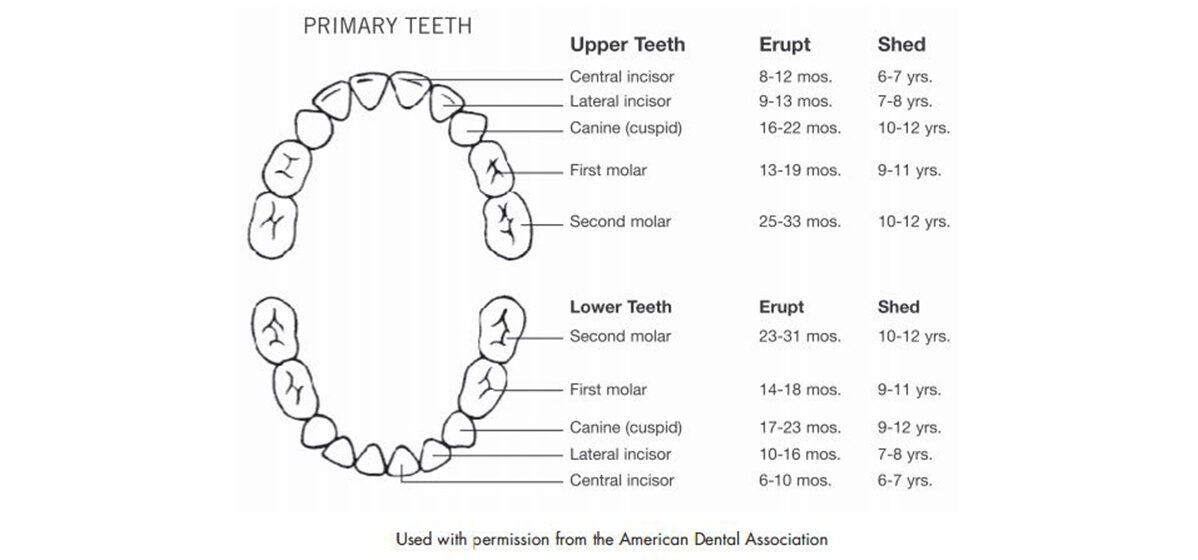
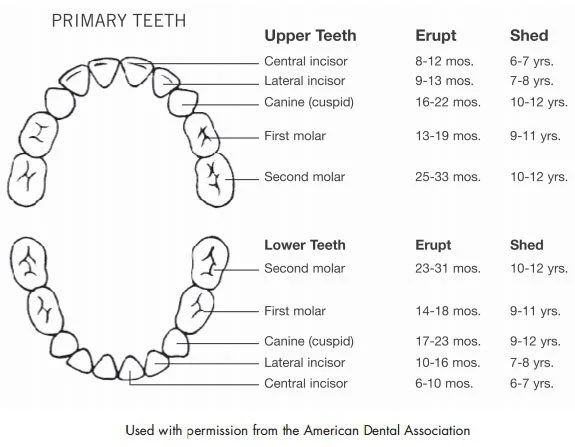
Children are born with 20 primary teeth; with these they learn to chew and speak. Eventually their jaw accommodates for the permanent adult teeth that will appear several years later. During these formative years children are especially susceptible to decay, which can cause pain and tooth loss. These are both serious problems that could interfere later in life with their oral development as adults. There are a number of things that parents can do to ensure to prevent tooth decay in children.

Our Woodbridge and Burke Pediatric Dentists Want To Educate Parent’s On Preventing Tooth Decay

Our Woodbridge and Burke Pediatric Dentists are committed to helping parent’s take proactive steps to keep their child’s teeth as healthy as possible. This article is informative for parent’s of children of all ages, even if your child is a baby – it’s never to early to be proactive about your child’s oral health. Our Pediatric Dentist office in Woodbridge and Burke, VA has written an article to help educate parent’s in the local area that there is a dentist near by that genuinely cares about their child’s oral health sight unseen and want’s to help them make a difference.

5 TIPS TO PREVENT TOOTH DECAY IN CHILDREN

  1. Establish a tooth brushing routine with your children. Routines are great ways to teach children. Once they get in the habit of brushing everyday, that will continue into adolescence and adulthood. Children may be reluctant at first, but most will make it a habit if the parent set’s the example with consistent reinforcement and demonstrating their own routine of good dental care.
  2. It’s advisable to help children eight years old and younger with brushing their teeth, and still supervise their routine until age 11. Eight years old seems appropriate in most instances, but until children is able to tie their shoes, they don’t really have the necessary skills to brush their teeth on their own. By giving them a hand, parents can make certain that no food is left behind, which often leads to cavities. Experts say, even after children are able to brush on their own, parents should still check their routine every so often to ensure their child is doing a good job of brushing their own teeth.
  3. Make sure your child sees a pediatric dentist regularly. A child’s dentist appointment is just as important as an adult’s – they’ll demonstrate that good oral hygeine is a critical part of their overall health, as well as look for early signs of any tooth decay. Your child’s dentist will also offer strategies for their daily oral care, and advise on any issues like recent dental trauma or maintaining braces.
  4. Watch your child’s sugar intake. Quite often, there is alot of sugar in the juices and drinks that children consume. This has quietly led to a rise in tooth decay among pre-adolescents. There is a great resource we can recommend on how to limit your child’s sugar consumption. As always, your child’s pediatrician is the best source to consult with in regards to their nutrition.
  5. Demonstrate your own good dental habits. Kid’s learn by example! If they that their parent values good dental health and makes it a priority in their own life, so will they. Make brushing your teeth a family moment – have everyone brush their teeth together in the morning and then together again at night before bedtime.

You Can Help Your Child Avoid Living With Tooth Decay

Spare your child alot of painful sleepless nights by following the above six tips. You’ll help them prevent tooth decay, avoid infection, the loss of a tooth and or other serious oral issues. The best advice to ensuring your child always has a smile they can be proud of is to make sure they see they dentist regularly, especially if you know they are suffering some sort of dental issue.

Pro Advice: Turn Tooth Brushing Into A Game

  • Brush teeth during commercial breaks during their favorite TV show. During each 30-60 second commercial break, is the perfect time to get them to spot brush their teeth just because! Make it a game to see if they can finish before their show starts again.
  • Set an egg timer to see if they can brush their teeth the entire time. Challenge your child to keep brushing their teeth until all the sand has run out. You can also buy your child a toothbrush that blinks led lights or plays music for two minutes.
  • Play their favorite song while they brush their teeth. There is a free app called Brush DJ that will plays music in your library for two minutes and as an added bonus it lets you set reminders for your child to brush, floss and visit the dentist.

Burke Pediatric Dentist

February 24, 2020

Golden Pediatric Dentistry & Orthodontics is the leading provider of pediatric dental and orthodontic services in Burke, Virginia. Our state-of-the-art facility is designed to provide the highest quality care for our patients. We offer a wide range of services, including preventive care, routine cleanings, and treatment for cavities and gum disease. We also offer a variety of specialty services, such as orthodontics, sedation dentistry, and dental implants.

Our team of experienced and compassionate professionals is dedicated to providing the best possible care for our patients. We take the time to get to know each patient and their family so that we can provide personalized care that meets their individual needs. We believe that every child deserves to have a healthy and beautiful smile, and we are committed to helping our patients achieve that goal.

If you are looking for a pediatric dentist in Burke, Virginia, we invite you to visit us at Golden Pediatric Dentistry & Orthodontics. We look forward to meeting you and your family!

Our Pediatric Dentists in Burke, VA Works With Children Of All Ages

It prides us to say that we offer the best Pediatric Dental Care in Burke, Virginia and that the level of care our patients receive is unmatched in the local area. Our staff of compassionate Dentists work with children of all ages. We’re ready to be your family dentist for years to come. Stop by and visit our Burke, Virginia office located at 5200 Lyngate Ct, Burke, VA 22015.

Servicing the local area of Burke, West Springfield, North Springfield, Springfield, Kings Park, Fairfax, Annandale, Falls Church, Merrifield, Vienna, Fairfax Station, Oakton, Clifton, Centreville, Ft. Belvoir, and Lorton Franconia.

Pediatric Dental Services We Provide

  • Comprehensive dental examinations by board certified pediatric dentists.
  • Age-appropriate oral hygiene instructions and developmental guidance counseling
  • Dietary nutrition counseling
  • Professional, kid-focused and kid-friendly dental hygiene cleanings (dental prophylaxis) by our highly trained and caring team
  • Professional and at-home fluoride treatments
  • Sealants and tooth color fillings (dental restorations)
  • Stainless steel and esthetic crowns
  • Endodontic treatment such as pulpotomies and pulpectomies
  • Pediatric oral surgery
  • Nitrous oxide sedation (laughing gas) to help our patients relax
  • Orthodontics or orthodontic referrals
  • Sports guards and night guards

Recent Patient Reviews from Pediatric Dental in Burke, VA:

We had the best orthodontic experience with Dr Hennigh. He and his staff made us feel welcome after a cross country move. They were knowledgeable of our sons rare situation and walked us through what would be next with confidence and professionalism. Highly recommend Dr Hennigh!

Great dentist, great dental assistants. They are always happy and professional. We have been going here for many years. Lonnie is the best!

I’ve taken my 3 kids here for 14 years now and haven’t had one bad experience with them. And we go A LOT. All 3 in Ortho too. The entire staff is amazing, so great that I actually miss them when we don’t go for a few months. We never have to wait long and I always trust they are doing the right thing for my kids’ mouths. Highest recommendations!!!

Pediatric Dentistry FAQS

What are the challenges of pediatric dentistry?

Dentistry for children can be challenging due to the small size of their mouths and teeth. In addition, children can be afraid of dental procedures, which can make it difficult to get them to cooperate during appointments.

What are some common dental problems in children?

Cavities are the most common problem seen in pediatric dentistry. Other common problems include gum disease, tooth decay, and malformed teeth.

What can parents do to help prevent dental problems in their children?

There are several things that parents can do to help prevent dental problems in their children. First, it is important to make sure that children brush their teeth twice a day with fluoride toothpaste. It is also important to floss their teeth daily and have regular dental checkups. Additionally, parents should avoid giving their children sugary drinks and snacks, as these can contribute to tooth decay.

What are the most common dental procedures in pediatrics?

The most common dental procedures in pediatrics include fillings, sealants, and extractions. Fillings are used to treat cavities, while sealants are applied to the teeth to help prevent cavities. Extractions may be necessary if a tooth is too damaged to be repaired.

What is the main goal of Pediatric Dentistry?

The main goal of pediatric dentistry is to prevent and treat dental problems in children. This includes providing education to parents about proper oral care, as well as performing routine dental procedures such as cleanings, examinations, and X-rays. Additionally, pediatric dentists may also provide specialty services such as orthodontics or sedation dentistry.

What age should a child go to the dentist for the first time?

The American Academy of Pediatric Dentistry (AAPD) recommends that children go to the dentist by their first birthday. However, it is important to schedule an appointment sooner if there are any concerns about your child’s oral health.


What Should I Do If My Child Has A Toothache?

February 20, 2020

There are numerous causes your child may have a toothache, we as adults are often able to pin point the cause and seek treatment when necessary. Children, on the other hand don’t have that luxury, and a toothache can become a constant source of pain they are unable to handle or explain exactly what hurts. Toothaches can occur when decay or erosion penetrates the pulp chamber of the tooth. The pulp chamber contains extremely sensitive blood vessels and nerves. A common source for toothaches is often diet-related, such as drinking too many sweet beverages or soda, or eating high sugar foods like candy.

Is your child suffering from a toothache? Our Woodbridge and Burke Pediatric Dentistry office is close by at 5200 Lyngate Ct, Burke, VA 22015. We’d be happy to help treat them and make the pain go away! Our expert Dentists and staff are ready to treat your child and can even provide emergency treatment if the pain is excruciating don’t hesitate to make an appointment!

My Child Appears To Have A Toothache, What Should I Do?

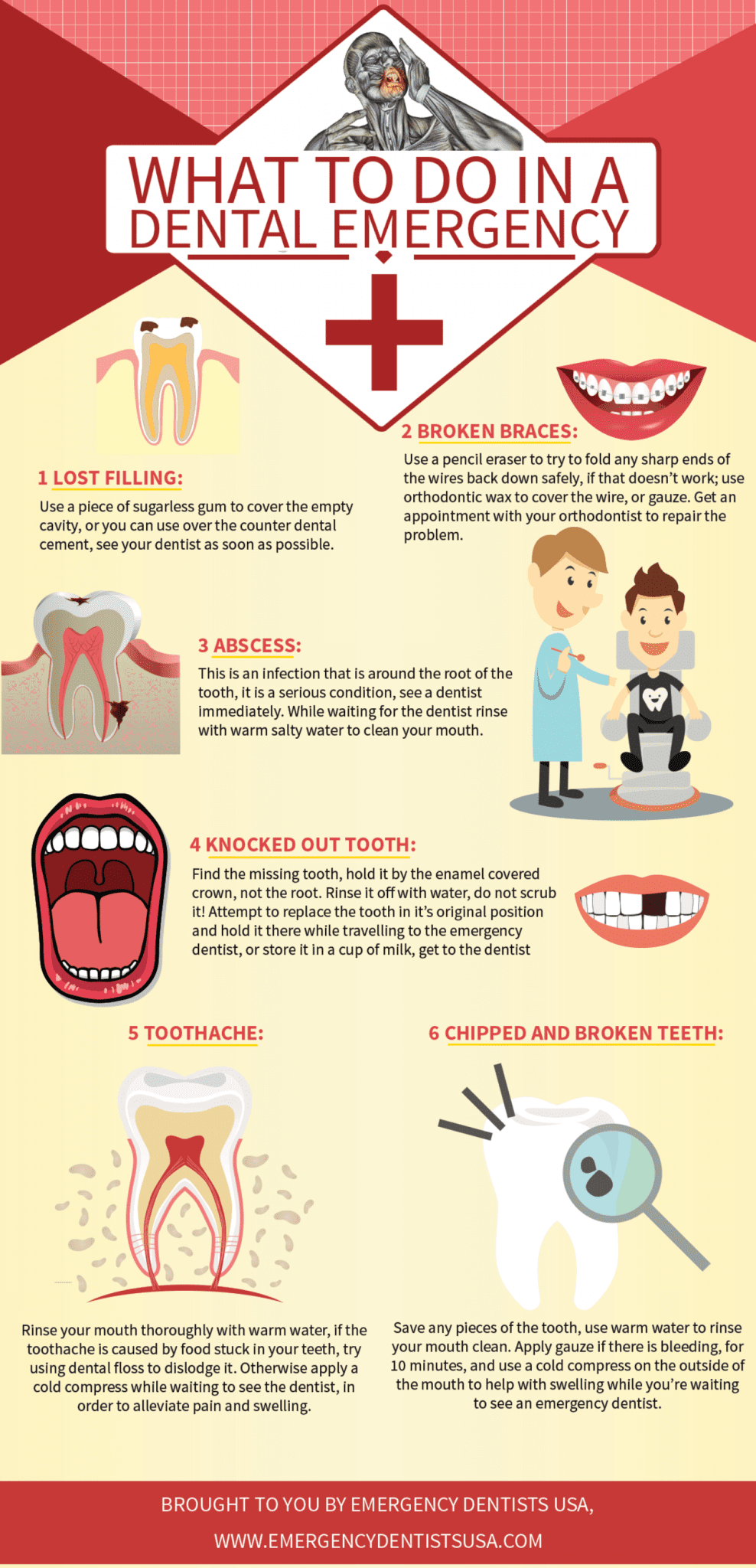
If your child appears to be suffering from a toothache, try using warm salt water (NOT hot or cold) to help relieve the tenderness. Have your child rinse their mouth out with the salty water solution (1 teaspoon per 8 oz.) whenever they begin to feel pain or sensitivity. Use a cold pack or cold compress against their cheek to help reduce painful inflammation to the area. A cautionary word involving over-the-counter pain relievers; they are often ineffective involving toothaches.

Home Remedies Provide Only Temporary Relief of Toothache

Please note, temporary remedies like the one suggested above will only be able to provide temporary relief for the pain, and a trip to the dentist might be necessary anyway. If you can’t recall your child’s last dental visit, we’d recommend you schedule one especially if they are currently in pain.

If your child has a chipped or cracked tooth, they made need a cap or filling, especially if it’s on of their permanent teeth. One of our Pediatric Dentists can perform this care on your child in office. If one of their emerging teeth is found to be abutting against an existing tooth, it may be necessary to have to one removed – it all depends on the level the pain your child is in.

Why Your Child May Have A Toothache

A major toothache may be a symptom of any of the following dental problems:

  • Tooth erosion and/or decay
  • Emerging teeth
  • Loose and/or missing fillings
  • Chipped teeth/cracked enamel

Poor Dental Hygiene May Cause Tooth Decay

Food that get’s accidentally stuck between the teeth might even become painful. As food wedges between the teeth it can separate one tooth away from another which irritates the roots as well as the gumline. If you notice poor habits or inconsistency in your child when it comes to brushing their teeth, this might be a fair indicator that there may be some tooth decay.

Not to worry if that is the case, you can schedule an appointment with our Woodbridge and Burke pediatric dental office, and we’ll be more than happy to examine your child. As is the case with all dental-based problems, the earlier we see your child the easier it will be to eliminate the cause of their toothache.

If it’s a serious toothache, perhaps due to a chip or cavity, don’t hesitate to visit our Woodbridge and Burke pediatric dentist Even if your child has never been a patient in our office or has never seen a dentist, we want to make the pain go away and provide your child with the best possible care. We strive to make every child feel safe and comfortable during their visit – and can handle dental any dental emergency that your child may be experiencing.

5 Things You Can Do When Your Child Has A Toothache

#1 – ASK YOUR CHILD WHERE THE PAIN IS
The easiest thing you may want to try, provided your child is old enough, is to simply ask them to point to or describe the pain they are in. If you have a younger child, try to look for swelling, or redness around the gums and cheek, tooth discoloration or broken teeth. If you find a loose tooth, or discolored or broken tooth than odds are you’ve likely found the cause.

#2 – TRY TO HELP YOUR CHILD FLOSS
You can try to help your child remove any food particles that may become lodged between their teeth. Try to be careful and gentle when helping them floss, because your child’s gums might be irritated. If your child has trouble with flossing or has braces, consider buying them a Waterpik Water Flosser to make it easier for them to clear trapped food from their teeth.

#3 – RINSE YOUR CHILD’S MOUTH OUT WITH WARM SALT WATER
Make your child a salt water solution. Mix about a teaspoon of table salt per 8 oz. of warm water and have your child rinse their mouth with the solution for about 30 seconds and then spit the salt water out. This will help kill bacteria in or around the affected area and helps to promote faster healing.

#4 – MAKE YOUR CHILD A COLD COMPRESS
You can apply a cold pack to your child’s outer cheek wherever the pain is. If you do not have a cold pack you can make a cold compress of your own by wrapping ice in a small towel or cloth. Try icing the affected area for 15 minutes at a time.

#5 – WHEN TO USE PAIN MEDICATION
If your child’s pain persists after trying all other methods your child can take anti-inflammatory medication like acetaminophen and ibuprofen. Remember to make sure that any medicine you give them the child’s recommended dosage and it’s advisable to first check with your child’s pediatrician before administering anything they’ve never taken before – even over the counter medicines.

Dental Infections Are a Common Cause of Toothaches in Children

If your child’s toothache fails to subside within 24-36 hours, we’d encourage you to book an appointment with our Woodbridge and Burke pediatric dentistry office as soon as possible. Children are at a higher risk for dental infections than adults. If your child’s toothache is not going away, or if their toothache persists for over 24 hours you should call our office to schedule an appointment as soon as possible. Even if the pain subsides for a while, there is still a reason they were in pain to begin with. They may have a cavity which can develop into a painful abscess. If you have any doubts whatsoever, please call us or schedule an appointment online.

What Is The Right Age To Get Dental Braces For My Child?

January 29, 2020

Like adults, kids, too, need to visit the dentist regularly. As a parent, when a child is growing up, you may notice several aspects of the child’s teeth development. The problem can be more profound after the kids lose their baby teeth. Taking the child to their regular dentist will help determine if there is a problem that requires a specialist. An orthodontist is a dentist with specialty training in straightening and teeth alignment. Dental braces are form of treatment to correct alignment and put pressure on teeth, moving them to a straighter position. If a child has the following problems, their dentists refer them to an orthodontist.

Orthodontic problems:

  • Underbite: the lower jaw is too big while the upper jaw is too small
  • Overbite: the upper jaw is too big while the lower jaw is too small.
  • Too much spacing of the teeth
  • Early, late or irregular loss of primary teeth
  • Thumb or finger sucking
  • Extra or a missing tooth
  • Protruding teeth
  • Crooked teeth
  • Difficulty in chewing
  • Jaw growth problems
  • Mouth breathing

Every child is unique and has their own way of development; however, some of these problems are hereditary. It can also be a special, inborn problem or caused by accident. The age of 7 is the most appropriate for a child to visit an orthodontist for such problems; however, some parents opt to do so earlier or later.

Early bracing

Crooked and unattractive teeth in the child can be one of the reasons to get dental braces earlier. Such problems can cost them bullying in social gatherings that can cause psychological harm to the child. Most children are not self-conscious at this age, but some are. Parents, in the interests of their children’s feelings, opt to have such problems treated earlier. Moreover, issues such as Class III malocclusion, for example, an underbite, necessitate early treatment. The opportunity window is below the age of 10 when it is possible to alter the teeth’ irregular growth. It’s also most parents’ concern that such problems should not extend to their children’s teenage period, hence prefer early treatment.

Records indicate that most parents who opt to start their child treatment early to get dental braces, have kids with Class I malocclusion problems such as protruding, crooked, and crowded teeth. When this happens, the child has to undergo 2 stages of treatment. The first stage is in the early stages before the child loses their primary teeth. This is known as the interceptive approach. At this phase, they use dental appliances, not necessarily braces.

When a child undergoes the first stage, the second stage is shorter than usual; this is where the child has dental braces put on their teeth. This method has, however, raised concerns among several orthodontists. Profitt, a professor at The University of M. Carolina’s School of Dentistry in Chapel Hill, states that this method is costly due to the regular visits to the dentist. It also increases the burden of treatment with no benefit for most Children. It takes a longer time than usual, fixing the teeth, and they all lead to the same end results. He stated there is no advantage to starting early unless it’s a Class III malocclusion problem or the doctor advises so.

Traditional bracing practice

At the age of 7–14 years, the child has lost most of their baby teeth and grown most of their permanent teeth. At this point, it is the best time to consider dental braces for the child. The child’s teeth are still developing, and preventive care is necessary to guide the desired outcome of the teeth alignment. If the child has any of these orthodontist problems, schedule an appointment with the orthodontist. They examine the child’s teeth, ask several questions, and take X-rays to check on the severity of the issue. This will guide the doctor on the next treatment plan. The doctor will guide you, as the parent from the start and throughout the process. They will also advice on the best time to put dental braces on your child. To figure out the appropriate age, talk to the orthodontist, depending on the severity of the case, they will guide on the treatment process and bracing.

Robert Bray, president of the American Association of Orthodontist, states that a regular dentist can offer orthodontic treatment. It is important to note that orthodontists have an additional 2-3 years to learn how to structure the teeth properly.

The braces

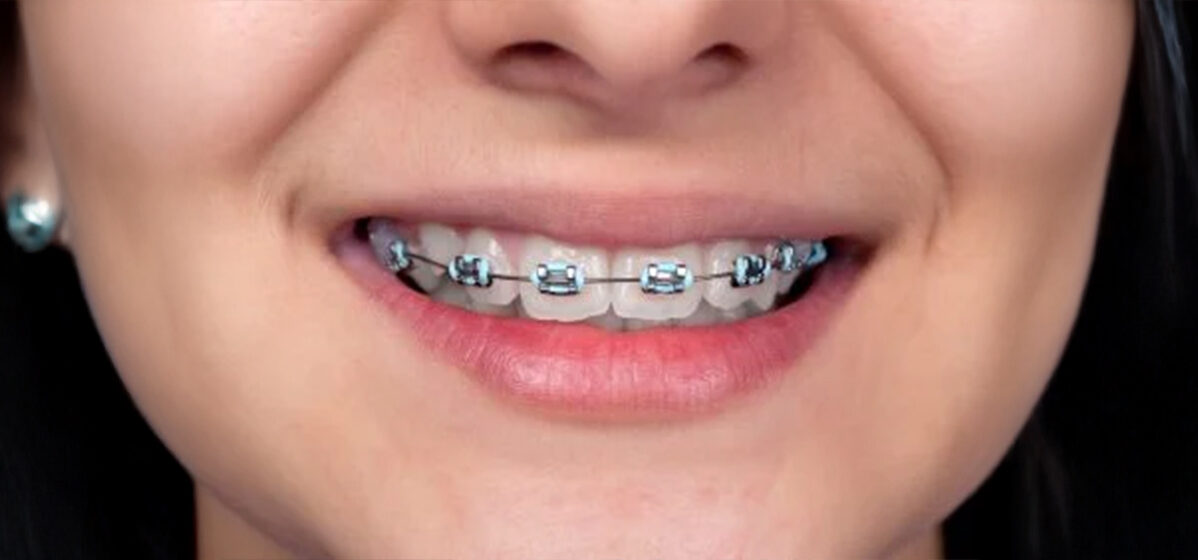
Most kids’ dental braces require brackets, wires, and rubber bands. Tightening of the wire bit by bit is essential during the check ups and can cause mouth discomfort. This may subject the child to certain food restrictions that can interfere with this treatment process. They should avoid popcorn, sticky candy, hard foods, and sugary snacks and drinks as they may interfere with the bracing treatment. If it is not urgent, there is no need to subject the child to this treatment below the age of 7. To make installation of dental braces more exciting, the kid can opt to choose a rubber band of their choice from the colorful selection. Accompany the child to the dentist for regular check-ups. The treatment takes 2-3 years, and before teenagehood, the child can smile confidently, which boosts their self-esteem.

When To See An Orthodontist

August 31, 2019

If you’ve been thinking about orthodontic treatment for yourself or someone you care about, you may be wondering: When is the right time to see an orthodontist? It’s an excellent question, and there are several ways to answer it.

The most basic one is this: You should see an orthodontist any time you have a question about the alignment of your teeth, or the quality of your bite. Sometimes, a problem in this area is painfully obvious. For example, you may have difficulty biting, chewing or speaking, or some of your teeth may be clearly protruding, crowded or misplaced. If that’s the case, then it’s time to consult with our office — an orthodontist has the special skills and training needed to diagnose and treat the problem.

Other conditions may not be as clear cut. Mouth breathing, clenching or grinding your teeth, and the inability to comfortably close your lips may be signs that orthodontic treatment is needed. Likewise, if your jaws seem to frequently shift in position or make sounds as they move, or if you find you’re unintentionally biting your cheek or the roof of your mouth, you may have an orthodontic issue.

Teeth that meet abnormally can even cause a facial imbalance (asymmetry), meaning that some facial features aren’t in proportion with others. This is a problem that can often be corrected by orthodontic treatment.

Orthodontics for Children

In addition to these general guidelines, there are some specific recommendations for children. The American Academy of Orthodontists (AAO) recommends that your child have an orthodontic examination by age 7 — for two very good reasons.

One stems from the fact that there’s a wide disparity in tooth development at that age — so it takes an expert to tell if a child may actually have an orthodontic problem, or if it’s just a normal developmental variation. By that time, an orthodontist can usually determine whether or not there will be adequate room in the mouth to accommodate the permanent teeth.

The second reason for an early exam is that many conditions are far easier to treat if they’re caught at an early stage, when children’s natural growth processes are in full swing. For example, a palatal expander appliance can effectively treat a child’s crossbite (a condition where the upper teeth close inside the lower ones) because a youngster’s jaw is still growing rapidly. However, if left untreated, oral surgery could later be required to correct this serious condition.

There are other problems commonly seen in childhood that may also benefit from orthodontic treatment. These include the early or late loss of baby teeth, persistent thumb sucking, tongue thrusting and mouth breathing. If you notice any of these symptoms, it may be time to visit our office. But keep in mind that early screening doesn’t mean treatment has to start right away — In fact, most kids don’t begin active orthodontic treatment until they’re 9-14 years old.

Orthodontics for Adults

You know when your child should come in for an orthodontic exam. Now, how about you? Do you cover your mouth with your hand when you smile? Are you self-conscious around strangers because your smile isn’t as perfect as you want it to be? If so then the best time to see an orthodontist might be — right now!

Maybe you think orthodontics is just for kids. If so, then it’s time to think again! In fact, according to the AAO, around one in five orthodontic patients today is an adult. Why are more adults getting orthodontic treatment? There are plenty of reasons.

Orthodontic treatment can be successful at any age — and in older patients, compliance isn’t usually an issue. Plus, with the growing availability of clear aligners, translucent ceramic brackets, and lingual braces, it’s getting harder to tell whether or not you’re wearing orthodontic appliances. So if you worry that metal braces might clash with your professional image, be sure to ask about less-visible alternatives (Watch Adult Orthodontics Video).

Of course, it isn’t just about looks. Well-aligned teeth are easier to clean and maintain, and less subject to abnormal wear. A better bite keeps you from having trouble eating and speaking, and helps your teeth stay healthy — and healthy teeth can last a lifetime. So why delay getting orthodontic treatment?

Adult Orthodontic Treatment

August 31, 2019

We’re seeing more and more adult orthodontic patients these days, and it’s not hard to figure out why. Appliances that are barely noticeable have been developed to give adults more discreet choices when it comes to orthodontic treatment. And many adults realize that investing in a smile makeover can have significant benefits, socially and professionally. Straightening teeth can be an important part of that confidence-boosting makeover process.

Healthy teeth can be moved at any age, so there’s no such thing as being too old for braces. However, orthodontic treatment for adults is different in two important respects: For one thing, the growth and development of the jaws is complete in adults, so changes in actual jaw structure can’t be accomplished with orthodontic appliances in the way they can with a growing child.

Secondly, periodontal (gum) disease is more prevalent in adults than in children. While you are wearing the orthodontic appliances, gentle forces will be applied to your teeth so they can move through their surrounding bone. Periodontal health plays a key role in all of this; if the gum tissues are not healthy during orthodontics, bone loss can result and weaken the long-term prognosis of your teeth. So any gum disease must be brought under control before orthodontic treatment begins. And to maintain your periodontal health, you will need to make sure to have regular professional cleanings during the orthodontics while maintaining good oral hygiene at home.

Types of Orthodontic Appliances

All orthodontic appliances work essentially the same way: by employing light, constant force to move teeth into proper alignment. But how we apply these forces can vary, as numerous innovations have become available in recent years. Some of the newer, less visible orthodontic appliances have been designed to blend more easily into an adult’s personal and professional lifestyle. Types of orthodontic appliances include:

Traditional Metal Braces

This is probably what you think of when you picture someone wearing braces: small metal brackets bonded to the front of the teeth. A thin wire runs through the brackets and is attached on either end to metal bands that go around a back molar.

Clear Braces

Instead of highly noticeable metal brackets, you can have clear ones made of ceramic, plastic or a combination of both. They are hardly visible, except for the thin wire running through, but they are more susceptible to breakage than metal braces.

Clear Aligners

As an alternative to the fixed type of orthodontic appliances mentioned above, clear aligners are removable. They are actually a series of clear plastic “trays” that fit over your teeth exactly. Each tray is part of a series of trays that move your teeth a little bit at a time until they are in the proper position. Your trays are designed with the help of specialized computer software that generates a virtual model of your bite.

After Treatment

Wearing a retainer after orthodontic treatment is crucial, no matter which type of appliance you choose and what age you happen to be. Teeth that are not held in place by a retainer long enough for new supporting bone to develop around them can drift back to their original positions, and that’s certainly not something we — or you — want to see happen. We will make sure to instruct you on how to retain your new, more beautiful smile so that it continues to make you look and feel great for years to come.

Orthodontist FAQs

August 31, 2019

Your Guide to Confident, Healthy Smiles

Answering Your Top Orthodontist FAQs

What do orthodontists do?

Why should I (or my loved ones) see an orthodontist?

When should orthodontic treatment be started?

How can I recognize a potential bite problem?

Does getting braces hurt? What about wearing them?

How long will treatment take?

How often will I come in for an appointment?

Will I need to have any teeth extracted?

Will I have to watch what I eat?

Will I be able to play sports/ play my instrument?

Do I still need to see my regular dentist during orthodontic treatment?

Will I wear a retainer when my braces come off?

Is orthodontic care very expensive?

Orthodontics and Dental Oral Hygiene

August 31, 2019

You already know that maintaining good oral hygiene is important for everyone — but when you’re having orthodontic treatment, it’s even more critical. Why? Because, while the appliances (such as braces or clear aligners) you may need to wear during treatment are very effective in correcting misaligned teeth, they can also trap food particles easily. Keeping your teeth (and your appliances) clean is a little harder — but you can do it! Here’s a look at why good oral hygiene is so important during orthodontic treatment, and some tips on how you can keep it up.

The major enemy of oral health is plaque. Food that becomes trapped near tooth surfaces can lead to the formation of plaque — a thin coating of microorganisms and organic debris (biofilm) containing potentially harmful bacteria. Braces or other appliances make it harder to remove plaque. The bacteria in plaque digest the sugars in food, producing acids which may erode teeth and irritate gums. This can cause cavities, white spots on teeth, gum disease and bad breath.

Keeping plaque under control is one of the most effective means of maintaining strong, healthy teeth and gums. There are three general ways to do it: through diet, daily maintenance, and regular professional care. Taken all together, they’re your teeth’s best defense.

Diet and Decay

Controlling your diet involves avoiding foods that could increase your risk of developing tooth decay. That means cutting down or eliminating foods with an excess of sugar, like soda, sweets, and ice cream. It also means avoiding foods that could easily become stuck in your braces, like toffee, gum, licorice and caramels.

Foods that are very hard or extremely sticky can also cause physical damage to orthodontic appliances. Certainly braces or retainers with broken wires or loose brackets aren’t working to straighten your teeth! You should avoid foods like hard candies or nuts, beef jerky and hard pizza crust. Keep eating healthy foods like carrots and apples — but cut them into bite-sized pieces first! And don’t chew on ice, pencils, or your nails: these habits can cause damage to your appliances, and even result in chipped teeth!

Daily Maintenance

You know how important brushing and flossing are for keeping a healthy smile — especially now that you’re in orthodontic treatment. But sometimes it’s harder to clean your teeth effectively around an appliance’s brackets and wires. Here are some tools and tips you can try for better tooth cleaning.

Either a soft-bristle or a bi-level toothbrush (one with longer bristles on the edges and shorter ones in the middle) can be effective in plaque removal — even with braces. An electric toothbrush can also be used, on a moderate setting. For hard-to-clean areas, try an interdental brush, or proxabrush. The small bristles of this special tooth-cleaning aid, which is shaped like a pipe cleaner, can get in between wires, brackets and teeth. With gentle and persistent effort, it’s possible to reach into the smallest nooks and crannies, and control plaque buildup.

You should floss at least once a day during orthodontic treatment. While it’s a little harder to do with braces, there are some special products available — including floss threaders and particular kinds of floss — that can help you get the floss between wires and gum line. Our staff will review proper brushing and flossing techniques with you when your braces are put on — but if you ever have questions, don’t hesitate to ask!

Depending on your situation, we may recommend an in-office or at-home supplemental fluoride treatment to boost your cavity resistance. An antiseptic rinse may also be recommended, to ease minor gum inflammation or irritation.

If you have a retainer, it should be brushed daily, the same way you brush your teeth. We may also recommend using a cleaning solution — but never put hot water on your retainer, because it can distort the soft plastic and make it unusable! And always keep it in a case when it’s not in your mouth.

Professional Care

Even though you’re seeing an orthodontist regularly, that doesn’t mean you don’t need to see your regular dentist — in fact, it’s just as important as ever! While we’re focused on improving your bite and alignment, your dentist will make sure your teeth stay healthy with thorough examinations, cleanings and preventive care. Your orthodontic treatment is a team effort where everyone — our office, you, and your family dentist — has an important role to play. And the team has just one goal: giving you a winning smile.

Adolescent Orthodontic Care

August 31, 2019

For many teens, braces are a rite of passage: They’re one more example of the changes adolescents go through at this time — along with growth in stature, edgier tastes in clothes and music, and an increasing degree of self-awareness. But is there any particular reason why orthodontic appliances and teenagers seem to go together? In a word: Yes.

There are several good reasons why adolescence is the optimal time for orthodontic treatment, though occasionally even earlier intervention is called for. One has to do with the development of the teeth: There’s no set timetable for every kid, but generally by the age of 11-13 the deciduous (baby) teeth have all been lost, and the permanent ones have largely come in. This is the time when we can go to work correcting the problems that cause a bad bite (malocclusion), improper tooth spacing or poor alignment.

Orthodontic problems don’t improve with age — they simply become harder to treat. It’s easier to treat many orthodontic problems during adolescence because the body is still growing rapidly at this time. Whether we use standard braces, or appliances like palatal expanders, we can create an improved appearance and function in a short period of time. In later years, when the bones of the face and jaw are fully developed, many conditions become more difficult (and costly) to treat.

There’s even a social element to getting orthodontic treatment in adolescence. If you need braces, you’re not alone! Chances are you’ll see some of your classmates in our office, and you may even make new friends as you go through the process together. When it’s done, you’ll have a smile that you can really be proud of, and benefits that will last your whole life.

Metal Braces need no introduction.

But you might be surprised to find they’re smaller and lighter than ever. They may even offer some customized options, like colored elastic ties on the brackets.

Clear Braces

Clear Braces feature brackets made of ceramic or composite materials which blend in with your teeth, making them harder to notice. They’re suitable in many situations, but they cost a little more.

Clear Aligners for teens

Clear Aligners (such as Invsialign and other aligner brand names) for teens is a series of removable, clear plastic trays that gradually straighten teeth as they’re worn (for 22 hours per day). Formerly recommended only for adult patients, they now come with special features — like compliance indicators to tell how often you’ve been wearing them — that make them appropriate for teens in some situations. The advantage: they’re practically invisible!

Other orthodontic appliances may be recommended in some cases, where major tooth or jaw movement is needed. They can range from small devices that fit inside the mouth to external headgear. But don’t worry: You’ll get used to them, and they’re temporary — but they provide a long-term benefit in a short time.

How Long Will I Wear Them?

There’s no one answer that fits everyone: It all depends on what we need to do in your individual situation. Generally, however, the active stage of orthodontic treatment lasts 6-30 months. Afterwards, you will wear a retainer for another period of months. When your orthodontic treatment is complete, the new smile we’ve worked together to create will be yours for a lifetime.

After Treatment

Wearing a retainer after orthodontic treatment is crucial, no matter which type of appliance you choose and what age you happen to be. Teeth that are not held in place by a retainer long enough for new supporting bone to develop around them can drift back to their original positions, and that’s certainly not something we — or you — want to see happen. We will make sure to instruct you on how to retain your new, more beautiful smile so that it continues to make you look and feel great for years to come.

Click to listen highlighted text!