Category: Uncategorized
What to Expect at Your Child’s Back to School Dental Visit
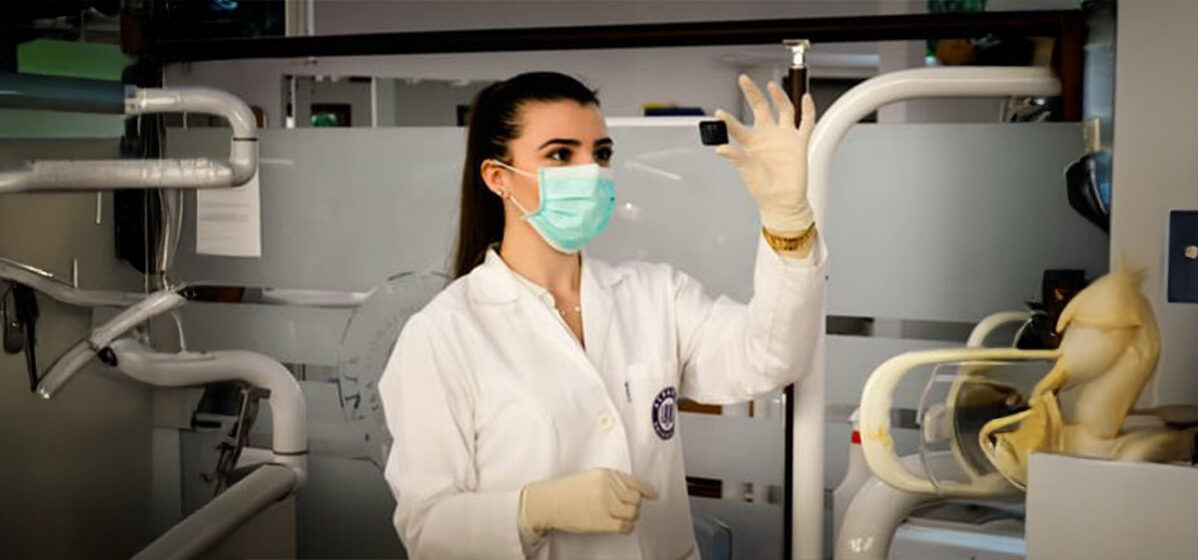
Nowadays, most schools need a back to school dental visit report after the holidays are over. It’s always a great idea to take your child for regular dental checkups. Dental professionals handle all the oral problems your child may have. As a result, your children go back to school healthy.
Often, most children don’t observe a healthy diet during the holidays. So, a dental checkup a couple of days before school opens is commendable. But what should parents expect in a back to school dental visit? What questions should they ask? Some of the queries you ought to present at your child’s appointment are as below:
Top Questions You Should Ask Your Child’s Dentist in a Back to School Dental Visit.
What Is the Condition of My Child’s Overall Dental Health?
Typically, dentists will assess the child’s overall dental health during a back to school dental visit. They will look out for any tooth or gum disorders. Moreover, they will ensure that all teeth are correctly aligned as well as identify any orthodontic problems. The majority of dental experts say that the condition of milk teeth could indicate dental problems about to occur.
Does My Child Have to Go Through a Professional Tooth Cleaning Procedure?
One of the most common problems children face is cleaning their teeth. It is essential to schedule an appointment where your child can undergo professional teeth cleaning procedure. Even if children observe proper hygiene, there could be an accumulation of bacteria along gum lines and teeth. These bacteria could lead to dental decay and dental caries.
Children could go to summer camps and forget brushing their teeth. Undoubtedly, this explains the need for professional teeth cleaning procedures after the summer holidays. The process gets rid of all the harmful bacteria, thus preventing dental diseases. Furthermore, the process can eliminate any existing tooth stains.
Does My Child Need an X-Ray?
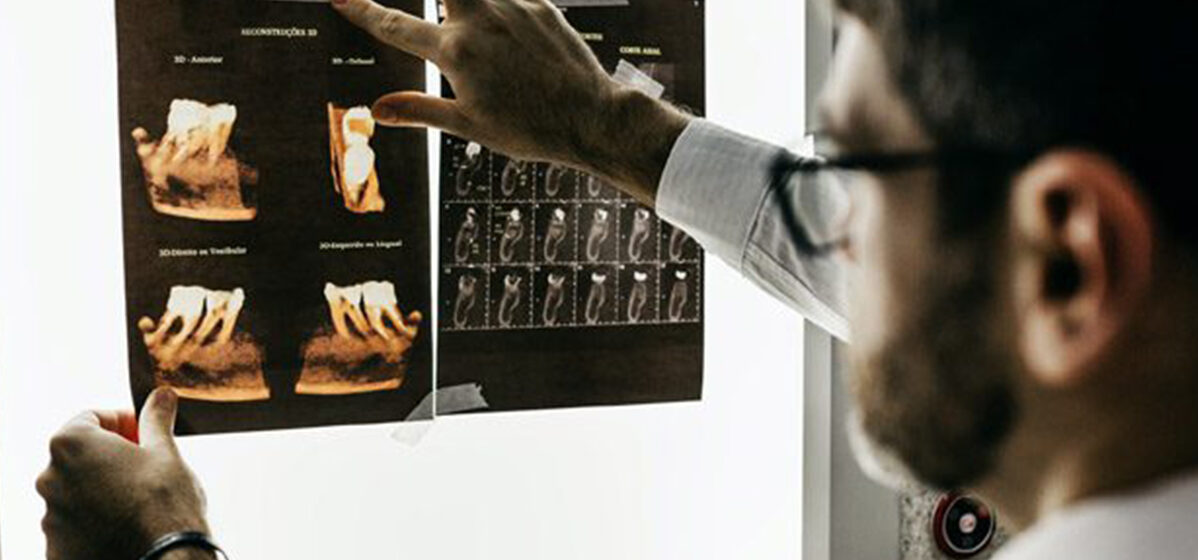
You can ask your dentist if your child needs an X-ray. This radiation procedure enables the dentist to monitor the growth of teeth in your child. Additionally, X-rays help dentists in knowing whether the tooth roots are healthy. They can also identify possible signs of dental decays and cavities. As a result, the dental problem gets solved quickly, thus preventing further complications. But most dental experts don’t recommend regular X-ray exams. They are only conducted when need be.
What Is the State of My Child’s Mouthguard?
Suppose your child is active in school sports and uses a mouthguard to carry the device along to make sure it is still functional. Dentists can identify any worn-out mouth guards, thus eventually replacing them. Also, if your child’s teeth outgrow the mouthguard, your dentists would suggest a replacement.
What Are Sealants?
One of the ways to prevent your young one from getting dental cavities is by using dental sealants. Sealants safeguard the teeth from harmful bacteria and dirt particles. The device is plastic in the material, and dental experts place it on the permanent molars. But dental sealants will still require your child to observe oral hygiene. When children wear sealants, bacteria cannot reach the tooth surface; this prevents dental caries and decay. This substance is also used to avoid further tooth decay.
Based on previous studies, sealants decrease your chances of contracting dental cavities by 80%. Thus, immediately your child’s molars grow; a sealant would be an excellent option to protect their teeth. The good thing is that the sealant application doesn’t hurt. All you need to do is contact your child’s dentist for further information on sealants. Sealants can last for many years, thus offering value for money.
What Are the Available Treatment Options?
Suppose your child gets diagnosed with a dental problem, asks your dentist to present suitable treatment options. Even if they have a minor issue, ask about the treatment alternatives at an in-depth level. Note that different dentists offer different types of treatment at varying costs. Nonetheless, most of these options are dependable. But note that most children are vulnerable to mouth injuries during dental procedures. So, if your child has a sensitive mouth, you can request your dentist to provide emergency services.
What Should I Do to Keep My Child’s Teeth Healthy?
One of the questions you should ask your child’s dentists is how to maintain healthy teeth in your children. It is essential to keep the milk teeth healthy. This is because they increase the chances of adult teeth becoming healthy. Most dental professionals can offer a variety of brushing and cleaning techniques that can help your child. Additionally, request for some effective oral practices your child should observe. Following these oral health procedures will go a long way in preventing dental; cavities and decays.
Are Baby Teeth Essential?
Occasionally, several parents may not know the importance of milk teeth. They often think that since they are eventually going to fall out, there’s no need to visit a dentist. But temporary teeth significantly contribute to the growth of healthy adult teeth. Ask your child’s dentist to explain more of this information to you in your back to school dental visit appointment.
How Do I Know I Need Braces?
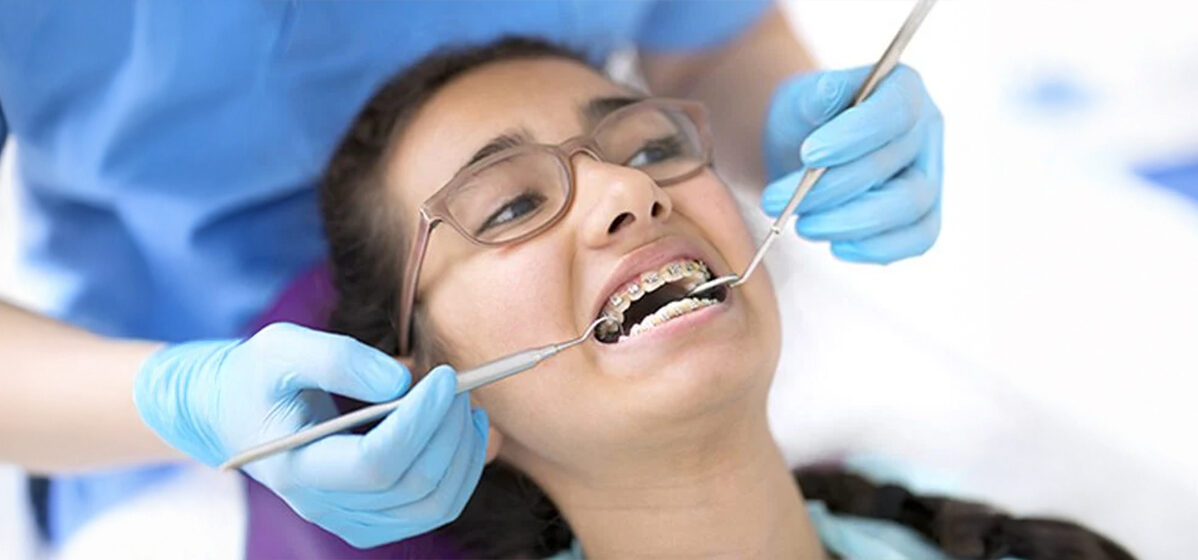
Do you have a tooth or jaw misalignment? Braces are primarily used to align teeth or jaws in their correct position. Brace installation is costly, painstaking, and uncomfortable. However, braces carry not only numerous cosmetic benefits but also oral health benefits. Therefore, if you or your child requires braces, note it is worth the cost. Frequently, orthodontists recommend braces to children and teenagers. Nonetheless, adults are not getting left out. According to statistics, 20 percent of adults wear braces. Suppose you know of someone who might need braces, it would be best if you let them know as soon as possible. As a result, orthodontists can resolve their problems at an early age. In this article, we will discuss the pointers for showing an individual needs brace installation.
Why do you need braces?
Over the years, adult braces have been on the rise and mostly result in positive outcomes. In 1998, a survey conducted showed that 65 percent of adults have misaligned teeth. Therefore, the majority of people require braces. Below are the signs that could help you know if you them.
- Overcrowded and contorted teeth that are noticeable.
- You are struggling to floss and brush in between your tooth spaces.
- If you notice that you bite your tongue more than usual.
- You are not able to close your mouth when silent.
- It is challenging to speak out certain words due to your tongue position.
- You encounter discomfort or exhaustion on your jawline after chewing food.
- The jaws click while chewing food and upon waking up.
How to tell if your child needs braces?
Infants and small children are not able to express themselves completely. Therefore, in most cases, it might be hard to tell if your child requires braces. But if you notice your child has crooked or overcrowded teeth, this is an indication that your little one could need braces in the future. Besides that, other indicators include:
Other signs include:
- Your child is experiencing difficulty in breathing through the nose.
- Jaws that click when chewing.
- The child is vulnerable to tongue biting and cheek biting inside the mouth.
- Continually sucks their thumb and use of a pacifier for a more extended period.
- He or she is losing milk teeth at an earlier or later age.
- Overcrowded or irregular shaped teeth.
One of the reasons why your little one will need braces is observing poor oral hygiene practices. Additionally, a poor diet that contains sugary foods is also a possible cause for oral problems solved by braces.
When to see a dentist
All children below seven years require a dental check-up. Consequently, dental experts can deal with oral problems among children. In turn, this will improve the oral health of many. Children who are not suffering from any dental health problems also benefit from this check-up.
The most suitable age for an individual to wear braces is from nine to fourteen years. Although this age may vary from one person to another, the earlier orthodontists prescribe treatment, the better.
At times, brace installation in children becomes impossible due to several reasons. It could be due to small expenses and a lack of proper diagnosis. Consequently, most people postpone their orthodontic treatment to their mature years.
The good thing is that even at an old age, it is safe to wear braces. Even so, it is not a good habit to keep postponing treatment.
Once you feel you need braces installed, look for a reliable dental health professional, and book an appointment.
However, keep in mind that the jaw continuously grows with age. Consequently, this could lead to overcrowding of your teeth. Therefore, it is essential to consult an orthodontist sooner to prevent the situation from becoming worse. The earlier you get your braces installed, the better.
Are there alternatives to braces?
The most popular types of braces include ceramic braces, invisible braces, and metal braces. All these are effective for proper teeth alignment. A substitute for braces is a tooth alignment surgery. Most times, the operation is a minor process. But orthodontists authorize a major surgical procedure if your problem is more complicated.
Conclusion
As seen in this article, overcrowded and irregular shaped teeth are the significant indicators that show a child will need braces. Thus, you need not wait for all the child’s teeth to come out to seek orthodontic treatment. It is advisable to consult a dental health expert when the child is still young to fix the problem.
Braces are expensive. However, they offer value for money and improve your oral health as well. It is thus vital to speak to an orthodontist first before undergoing the procedure.
What Color Braces Can I Get?
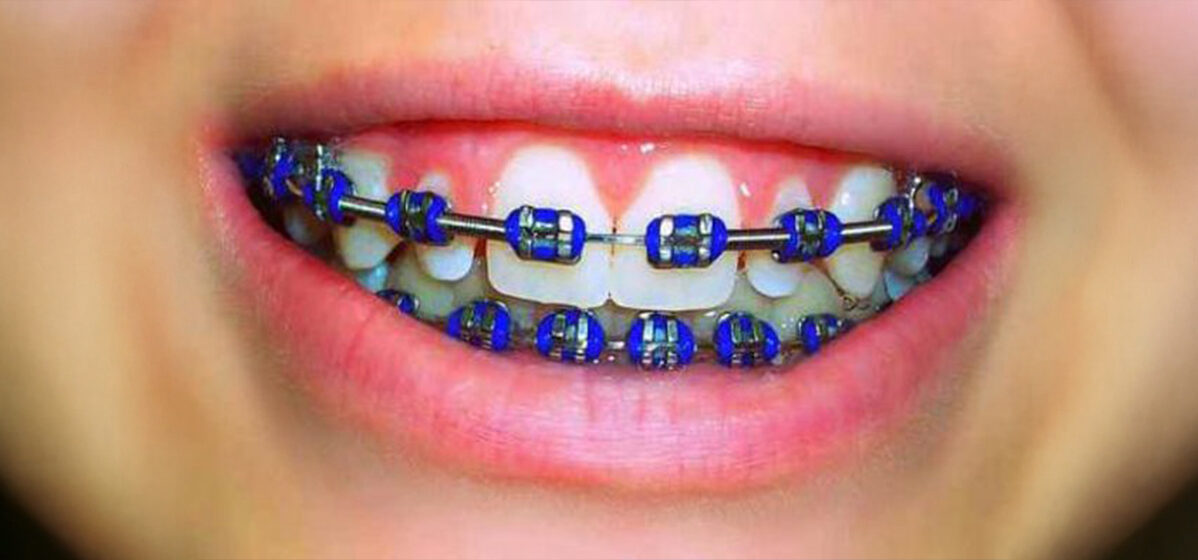
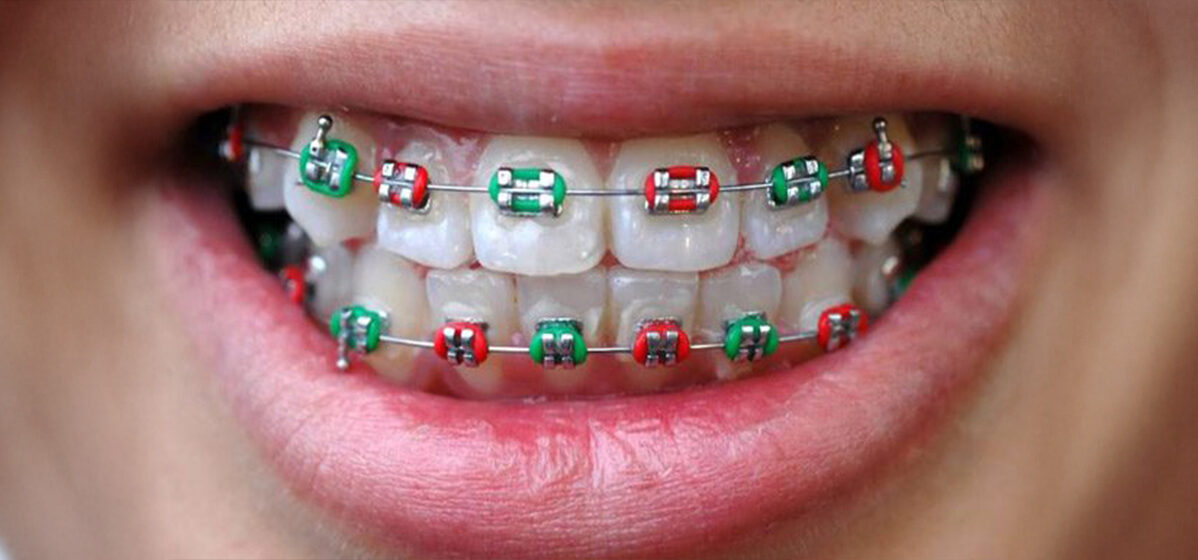
After approval of brace from the orthodontist, what awaits is selecting the color of braces. Initially, the only available braces were hard metal brackets with metal wires. Recently, there has been the introduction of color braces. There is also an alternative of clear braces for those who opt to have them unnoticed, especially adults. Other adults and children love them colorful and fancy. Braces are part of our daily outfit, and you can consider them as part of your wardrobe selection. The following guidelines are essential when selecting the color of braces.
The clinic’s samples
Different offices offer a variety of color samples. You should take a look at all the colors and figure out which one to suit you best. It would help if you did not make a rational decision, but take your time to make up your mind. You should have a visual aspect than an imaginary aspect. It is also important to note that when the bands stretch on the braces, they appear brighter than they do in the sample.
Invisible braces
Invisible braces such as Invisalign are clear, and they go unnoticed. Most adults are self-conscious about how the braces will change their mouth appearance. Because of this, a majority prefer the invisible braces. Other types of braces, like lingual braces attached to the inside of the teeth, are also unnoticeable from the outside appearance. Ceramic braces, which are clear and hard to notice, fall under this category too. Clear braces might not tickle your fancy, and you want to explore other options.
The color of your eye
While selecting color braces, the color of your eyes can be a determining factor. When you smile with colored braces that complement your eye color, it makes your eyes stand out. Beauty sources can be a helpful guide on how you can blend the color of your eyes with the color of the braces. Opting for a brace color that’s the opposite of the color of the eye pupil, will enhance the color of your eyes. For example, if you have brown eyes, try braces with shades of red or orange. You can also choose a similar color to your eyes, and it will have the same effect. For instance, if you have blue eyes, you can go for blue bands to make your eyes stand out.
Make your teeth appear whiter
Yellow and stained teeth are cosmetic problems that many people face unless you are among the lucky few who have perfectly white teeth. It is usually a good idea to avoid bright white braces, as it will only make your teeth look dull. The color blue is the best choice to enhance the white color of the teeth. For women, when choosing a lipstick color to whiten the appearance of their teeth, they always prefer one with shades of blue in it. The same technique is also relevant when picking out a color for your braces.
A color you love
Once you acquire your own color braces, you will have them on for approximately two years. This means that you should be comfortable and confident in the braces. Rule out any color that you would never go for. You can, therefore, opt for a color you love, a color that you will be proud to show off. Whatever color makes you happy, go for it.
Skin color
Braces are a part of your daily style. So, the color of the braces should work for your style rather than against it. For a dark skin tone & hair, it matches with jewels like colors such as turquoise and purple. For light skin people, brighter colors work best with their skin.
Your wardrobe
Your wardrobe selection should be a very key factor in choosing the color of braces. As we stated, braces are part of your daily outfit and style. It should complement your sense of style and not clash with your outfit. For example, if your wardrobe consists of red outfits, it is not a wise move to have green braces on. If your wardrobe has all types of colors, like most people, you can choose to have clear or white bands. Another option is also going for the neutral colored braces like black or blue.
Holidays/ seasons and events
It is possible to change the bands’ color after the 6th week’s visit to the dentist. This provides an opportunity for one to choose colors based on upcoming events. For example, in a school sporting game, you can put the color in favor of your supporting team. If Halloween is coming soon, colors like orange and black are popular during this season, and you can choose to put them on your braces. However, this option is only for those who have the option of changing the color of their braces on a regular. If not, before you use this as a factor when choosing your bracing color, you should consider if you are willing to have it for 18 months, the treatment period.
Choosing color braces is the fun part of having braces as they can act as ornaments and style. Use the tips and enjoy your bracing experience!
Golden Pediatric & Orthodontics Provides The Following Services for Braces:
- Braces for Kids in Woodbridge
- Braces for Children in Burke
- Adult Braces in Woodbridge
- Braces for Adults in Burke
- Braces in Dale City for Adults
- Dale City Braces for Adults
- Invisalign in Dale City
- Woodbridge Dentist
- Burke Dentist
- Woodbridge Invisalign
Putting on Braces: How Are Braces Put On?

The process of putting on braces is nerve-wracking to many. The thought of the experience triggers anxiety. For beginners, this raises many questions like how long the process takes and how it is painful. The process only takes 1–2 hours approximately. This varies depending on the teeth and the type of braces. The process is not painful but can cause soreness and discomfort due to pressure. The first step is to set up the first appointment with the orthodontist. During this visit, the dentist will examine the teeth, ask a few questions, and may need to take some X-rays. From their findings, they will prescribe the mode of treatment which may take off immediately. The process of putting on braces varies depending on the type of braces.
Conventional metal/ceramic braces
Preparation
For those whose back teeth are close together, the orthodontist places rubber bands or spacers between them for a week before bracing. This is to create adequate space for the bands to fit around the back teeth. The disadvantage of this is that it causes soreness on the back teeth & jaw when the teeth move to create space for the spacers.
Cleaning
Before the process of putting on braces, the Orthodontist will clean the teeth with a cleaning paste, then ensure they are dried.
Attaching the brackets
Brackets are tiny metals/ ceramic materials that hold the wires in position on the teeth.
Glue /bonding cement is then applied to the center of every tooth. The dentist will then shine a blue light on the teeth to set the glue. Finally, place the bracket on the center of the tooth. The glue is distasteful but not harmful.
Placing the bands
To hold the brackets, metallic bands are put on the back molars. The band should be of the right size to fit the tooth. Orthodontist applies glue on the band. The blue light sets the glue, and the band placed on the molars. This placement can have a twitching feeling. If so, inform the orthodontist to adjust and make it comfortable.
Addition of archwires
When the brackets and bands are in place, the orthodontist connects the archwire to the brackets. To achieve this, wound a small rubber band around each bracket to attach the wire in position. For the rubber bands, you can choose the color of your choice. The final step is cutting the archwire’s ends to prevent it from touching the gums or the back of the mouth.
Invisible braces
This process of putting on braces is different from the rest as it does not require bands or wires. The orthodontist will make a mold to form an impression on your teeth on the first visit, to ensure that the trays fit perfectly. On the first day of treatment, you have to try on the alignment tray and make the required adjustments. The orthodontist will then teach you how to wear and care for the tray and teeth during the process.
Lingual braces
They have an almost similar process to conventional metal. The only difference is that it’s applied at the backside of the teeth or the tongue side close to the mouth. Since it’s a bit complex, the process takes a little longer than conventional braces, and only a trained Orthodontist should do this bracing.
Other attachments
When placing the alignment tray, it is important to note that some teeth require special attention because if their positioning. To ensure that all teeth will move to their rightful positions, the orthodontist will stick some tiny attachments similar to the tooth color. They may also attach tiny tooth-colored mounds close to the back of the mouth. This meant connecting the upper and lower part with small rubber bands. This also helps the teeth move into position.
Regular appointments
After 1 or 2 weeks, schedule an orthodontist appointment to check on progress and get new trays. New trays like metal braces make the teeth and its surrounding mouth region sore for days.
The after feeling
The whole process will cause a feeling of discomfort in the mouth. It’s only when you eat that you’ll experience pain. In the first few days, you can only eat soft foods like smoothies, yogurt, soft vegetables, mashed potatoes, and others. Some people may experience headaches for some days. In this case, you can get over the counter pain killers or oral anesthetic to ease the pain. It might also cause soreness where the brackets or wires touch the inside cheek. You can use wax provided by the orthodontist to cover the areas on the braces causing soreness. You can also use salty water to rinse your mouth or apply topic anesthetic to the affected parts. After a month, the mouth will have adjusted to the new additions, and soreness will no longer be a problem.
Dental care after bracing
Putting on braces comes with extra dental care. The orthodontist will guide you through a new way of brushing and flossing to avoid stains and cavities on teeth. It would help if you brushed your teeth several times a day, even when away from home. After eating or drinking anything sugary, swish water to get rid of the particles left behind. Tools like water flosser or an interproximal brush get underneath the archwire to clean the teeth. After some time, the teeth will start aligning itself as expected.
Orthodontic Care for Adults – How to Pay for Braces
It’s every person’s wish to have a perfect set of aligned teeth. This enhances their facial appearance and enables them to smile with confidence. The problem is bracing in adults is a costly venture. However, all hope is not lost as there are platforms established to offer financial benefits for orthodontic treatments in adults. The following are affordable offers to solve your financial worries and pay for braces easily.
Dental insurance
For years, dental covers were only available through the employer, but now insurance companies offer the same. It is not all insurances that cater to adult orthodontic services; in fact, very few companies cater to this. Most companies give a 50% payment offer to their clients. Dental Care USA PAA48 is one of the few companies that offer orthodontic treatment for adults. The annual premium is $105 and an expense of 24 months is $2500. This is half the normal price. To get this offer so as to pay for braces, you must choose a doctor who partners with Delta Dental.
Employer sponsored insurance
A majority of employers offer dental covers to their employees. Not all plans cater for orthodontic treatment, and If they do, it is mostly for children. On the other hand, some employees offer orthodontic treatment insurance in their dental covers. Some are very specific on the type of braces they cover. If as an employee, you are uncertain about the plan, consult the Human Resource. The insurance can be annually or provide a lifetime cover. It is also important to understand after working for how long can the company insure your orthodontic treatment. It would help if you worked with an orthodontist that is within the company’s network. Under this, you can also consider placing the maximum amount provided by the employer’s insurance into flexible spending accounts. This category of income is not taxed and is a way of saving money to cater for costs not covered by insurance such as orthodontic treatment.
Dental saving plans
It is also known as discount plans. It is not a part of the dental insurance package, but it allows you to get dental services at a subsidized price. The discounts given are by a dentist’s program, which is becoming quite popular. Such services are common to procedures such as orthodontia and cosmetic surgery that are pricey. Careington Care 500 Plan is one of the programs that offer a 20% discount. As a member of this program, you pay a $30 processing fee and $75 annual fee. It is a good alternative if you have exhausted your yearly and maximum covers, or if your dental insurance has no orthodontic cover.
Opt for traditional braces
Traditional/ metal braces are always a cheaper alternative compared to lingual braces or invisible braces. They are still effective in their end goal. It consists of a variety of designs, tooth-colored ceramic, gold-colored or stainless steel. They require adjustments after 6 weeks, and the price ranges from $3000- $5000.
Search for suitable dental plans
This is searching for the best plans that are within your budget range. Dental plans contain different limitations, waiting periods, costs and discounts. These plans consist of different dentists; it is preferable that you find one that has a dentist in your locality. If you find a plan that meets your needs but has no dentist in your locality, you can talk to one of them asking if they can join the program. Organizations such as Dental Plans have over 40 discount plans that help you compare annual fees, dentist networks and discounts. National Association of Dental Plans is also a good platform to search for group/ individual discounts.
Orthodontic schools
Instead of a clinic, you can visit a dentist school for treatment. Most states have an open forum to take in patients on particular days. This is a form of students practical. Students offer treatments to the patients under the supervision of a specialist as part of their learning process. To find a dentist school open for such an opportunity, you can check with the Commission on Dental Accreditation. It is always considered a cheaper alternative. It is only a small amount of payment needed to cater for the costs of equipment and materials used.
Loans and credit cards
You can also talk to your bank to offer you a loan to cater for the cost of your treatment. This is a good and fast way to acquire finances, but the disadvantage to it is the high interest rates offered by the banks. You can also use your credit cards for the treatments offered, then pay them off in 1-2 years.
The cost of orthodontic treatment should never be a hindrance to enjoy the feeling of having a perfect set of teeth. As the saying goes, where there is a will, there is a way. If you want to undergo orthodontic treatment, nothing should stop you to pay for braces. You can explore any of these financial options for a successful outcome.
Wearing Braces: How Long Do Braces Take To Work?
Your dental health expert recommends braces to you. So, what next? One of the most important questions you will ask yourself is how long the braces take to straighten your teeth. The period for wearing braces varies from one patient to another. However, it mainly depends on the dental problem one is facing.
The short answer? It depends
Several factors like age, type of problem, and type of treatment affect the duration of wearing braces. For instance, patients with severe issues such as jaw misalignment should wear braces for a more extended period than patients who have minor problems.
After thorough examination and evaluation, most orthodontists will inform you of the exact period you will require to have your braces on. Besides, the specialist will help you understand the procedure. They will also provide you with information on the lifestyle changes you will need to make.
Now that you know the short answer let’s discuss the details
On your first appointment, your orthodontist will conduct a careful examination of your oral and facial features. This will help to pinpoint any problems as well as identify your exact requirements. Thus, your orthodontist can perform mammograms, digital impressions, facial photographs, and CBCT scans. Afterward, the professional schedules another appointment for you, say after a week. This is to help prescribe the ideal treatment. Before your second appointment, the specialist will assess and review all your test results and records to develop treatment options.
In your second meeting, he will present suitable treatment options for you. He will most likely show different types of braces and give you the freedom to choose among these. During this appointment, feel free to ask any relatable questions to go for the best treatment alternative.
On average, how long do braces take to work?
It is essential to know the average time required for braces to work. Most orthodontic treatment takes a period of one a half year to operate. Nevertheless, it might take up to two years or even more dependent on the patient and the dental condition. Be cautious of people who promise a four- or six-months treatment process. It may seem like you need mild treatment. However, this does not mean your treatment will take a shorter period. Despite a small gap that needs fixation and closure, it takes longer to fix the problem’s root cause. Therefore, ensure you seek dental services from a reliable orthodontist professional.
Often, adults stay longer while wearing braces compared to children. But as mentioned earlier, the duration depends on the type of condition, and patient needs orthodontists should meet. Adult teeth do not grow into another set; hence they are firmer than milk teeth. For them to be in their correct position, they will require more time and pressure, unlike baby teeth. As a result, adults can wear braces for up to three years.
Quite the contrary, some children wear braces for a more extended period. Occasionally, children could have a severe jaw misalignment problem or teeth growing in an awkward position. In such a case, the tooth might need extraction while waiting for adult teeth to become. Unfortunately, the wait means a more extended period.
Can I shorten the time for braces treatment?
Is it possible to shorten the treatment process? Well, yes, or maybe. Patients who adhere to all treatment instructions are more likely to reduce the duration of treatment. Observing proper oral hygiene practices and eating a healthy diet as recommended by your doctor plays a huge role in shortening the time. When wearing aligners and temporary appliances, among other oral devices, one should avoid hard foods like nuts, maize, gum, popcorn, and sugary foods. In turn, one becomes resistant to common problems accompanying braces.
Dental professionals prescribe that you wear rubber bands and headgear to prevent movements that would lead to injuries. These oral devices assist in shortening the treatment process as they increase the efficiency of the braces. Additionally, ask your orthodontist about AcceleDent. It is a tiny appliance that fastens the process of placing your teeth in the right position. Patients use it for 20 minutes a day to achieve the desired outcomes. AcceleDent helps shorten the treatment process, but it also decreases inflammation brought about by braces.
Ultimately, cleaning your teeth with braces is very difficult. Nonetheless, brushing your teeth is crucial during the treatment process. A right dental health expert will help you understand how to brush your teeth in the right way for quick recovery.
Furthermore, note that the time you will need wearing braces does not include the post-treatment process. Treatment, therefore, does not end with brace removal. Most orthodontists will suggest that you consistently wear a retainer for the first few months. The retainer is also worn during bedtime.
Consider Invisalign
Invisalign is a popular orthodontic treatment that uses a series of clear, removable aligners to straighten teeth. Invisalign is an alternative to metal braces, and it can be used to treat a wide variety of dental problems, including crowding, gaps, and bite misalignment. In addition, Invisalign is virtually invisible, so you can straighten your teeth without anyone knowing you’re wearing aligners. And because they’re removable, you can eat whatever you want and brush and floss your teeth with ease. If you’re looking for a discreet and convenient way to achieve a straighter smile, Woodbridge Invisalign may be the right treatment for you.
Golden Pediatric & Orthodontics Provides The Following Services for Braces:
- Braces for Kids in Woodbridge
- Braces for Children in Burke
- Adult Braces in Woodbridge
- Braces for Adults in Burke
- Braces in Dale City for Adults
- Dale City Braces for Adults
- Invisalign in Dale City
- Woodbridge Dentist
- Burke Dentist
- Woodbridge Invisalign
What Questions Should I Ask My Orthodontist?
Suppose you encounter severe dental health problems; it is advisable to seek specialized quality care from an orthodontist professional. However, before you trust an one, there’s some information you need to know. Thus, upon consultation, make sure you inquire about everything you would like to know. Below are some of the frequently asked questions orthodontists come across.
Frequently Asked Questions:
Common Problems Braces Fix
Besides health benefits, orthodontic therapy assists patients in boosting their self-esteem and getting the ideal smile. Braces vary in material, shape, size, and both adults and children use them. Today, we have different kinds of braces like invisible aligners, clear ceramic braces, and metal braces. From children to teenagers, all patients obtain numerous benefits from wearing braces. Luckily, most dental experts help their patients make the best out of this form of treatment. Braces help in solving many tooth problems. We will talk about some of the dental problems braces fix.
1. Overcrowding and Spacing
Overcrowding and irregular spaced teeth is a common problem faced by a large percentage of individuals. For instance, most people have space between their two front teeth called a diastema. This issue is common in children, and it carries on to adulthood at times. Besides a diastema, some have crooked and overcrowded teeth. Orthodontic treatment can solve both of these issues. You can use braces of all kinds to line up teeth in their correct position. Moreover, orthodontic experts will track your progress and point out any alterations required to get desired outcomes.
2. Misaligned Jaw
Other problems braces fix are jaws having an incorrect position occur due to either an underbite or overbite. If you have overcrowded or irregular shaped teeth, you likely encounter soreness and discomfort in the jaw area. Consequently, this can cause even more severe problems, especially with your temporal mandibular joint (TMJ), which leads to pain on your face. Orthodontic therapy helps correct this issue by aligning your teeth in their rightful position, thus placing your jaw in its proper place. Similarly, once you fix a misaligned jaw causes a beneficial effect on your facial features. Besides reducing facial discomfort, you will appear more attractive due to a regular-shaped facial structure.
3. Overbites and Underbites
Uneven bites, known as malocclusions, could be signs of a complicated issue. Braces help rectify malocclusions since the device places mild pressure on the teeth and jaw to align them in their rightful position. There exists a variety of orthodontic treatment alternatives used to treat malocclusions based on their complexity. However, problems braces fix include:
Overbites
What is an overbite? An overbite occurs when the top jaw has an augmentation compared to the bottom part. As a result, the chin may appear very small and can lead to issues with eating certain foods.
Underbites
Contrary to overbites, an underbite is where the jaw’s bottom part has an extension compared to the jaw’s top part. Consequently, the chin appears to have an abnormal look, and it becomes challenging to eat.
6. Open Bites
An open bite occurs when there’s an excessively massive space between the upper teeth and lower teeth in the front part of the teeth. Open bites are not a malocclusion issue since it results from too much sucking of the thumb and use of a pacifier. The condition mostly happens in children who still use pacifiers and suck their thumbs. Many people thus grow out of it and do not encounter this with their permanent teeth. But in various cases, adults face open bites; these are problems braces fix.
7. Periodontal Problems
Misaligned teeth make it challenging for individuals to thoroughly clean and brush their teeth. As a result, gum problems like gingivitis could occur. Remember that overcrowded teeth make it difficult for one even to floss because there exist no spaces between the teeth. Luckily, braces assist in placing teeth in their correct position, enabling them to cleanse their teeth properly. It’s much easier to clean and floss your teeth when all teeth are regularly spaced hence promoting oral health.
8. Unmatched Dental Midlines
Dental midlines are the cross-sectional line that divides your top and bottom jaw. At times, the line could be asymmetrical, thus affecting your jaw position and your facial appearance. Braces assist in aligning your teeth, which eventually create a symmetrical dental midline, thus enhancing intercuspation. Consequently, teeth become correctly aligned, creating comfortability and a beautiful smile.
7. Issues with Chewing and Speech
Any tooth misalignment significantly affect your pronunciation and the way you chew. Braces, therefore, play a massive part in helping you with pronunciation by accurately aligning your teeth. Through the use of braces, your jaw and teeth become aligned correctly, thus enhancing your speech and way of eating.
8. Self-Esteem Issues Related to Misaligned Teeth
Braces carry along with many cosmetic benefits. They help in creating the perfect smile hence boosting your confidence. Having misaligned teeth causes individuals to avoid smiling as they become quite self-conscious about their appearance. Braces, therefore, boost your self-esteem and enable you to be comfortable in your own body. Consequently, this will improve your efficiency at work. Ultimately, the problems braces fix will help you improve your physical, emotional, and spiritual well being.
Common Problems with Braces

Today, orthodontic services are available to both adults and children, seeking to improve their dental health. There are a variety of techniques that can help patients with dental problems. They include the installation of braces, temporary oral devices, and alignment devices. All these methods strive to meet customer requirements while improving their oral health for the best results.
Several patients find it challenging to manage other dental conditions with braces on. But orthodontists make it easier for patients to manage their braces. But here’s a little information you need to know about problems with braces.
Gum disease
Globally, people having problems with braces face an increased risk of acquiring gum infections. Gum disease results from the accumulation of bacteria along the gingival margin. As a result, patients encounter swelling, redness, and bleeding due to bacteria trapped in the gums. When this situation does not get treated, it may cause gums to retreat in the tissue. This leads to severe inflammation, bone erosion, and dental caries. Patients with braces are at risk for gum disease because they find it challenging to clean their gum areas.
Cavities
People wearing braces find it challenging to clean their teeth. For this reason, they face increased risk for contracting a dental hole. Once most patients are aware of this information, they get discouraged from wearing braces. There are various measures orthodontists recommend to help patients clean their teeth after they get their braces installed.
Brace wires and metal brackets have room for accommodating bacteria and other harmful organisms. Orthodontic experts prescribe specific brushes and equipment to help patients clean the area around their braces. Additionally, patients should take their time when cleaning and brushing their teeth to ensure there are no bacteria in the spaces. Moreover, to ward off dental caries, teeth should be frequently cleaned.
Staining
Tooth staining can occur for a variety of different reasons such as diet – coffee drinkers and smokers frequently suffer from stained teeth. An adverse reaction to swimming pool chlorine can cause teeth to turn yellow. Tooth staining is a common problem caused by wearing braces. When individuals do not clean the bracket areas properly, food particles are likely to stain the area. Additionally, most people end up with a white trail where the brace was initially fixed after removing the braces. Thus, the other teeth will appear yellow compared to this line. This scenario is more familiar with little ones since they cannot look after their teeth with proper care. After brace removal, it advisable that individuals go through a tooth whitening process to eliminate any discoloration that may have occurred.
Bad breath
Remember that having braces makes you more vulnerable to oral infections, which lead to bad breath. Furthermore, certain types of food like garlic lead to bad mouth odor, especially when wearing braces. So, it is vital to avoid too much garlic and go for a thorough dental cleaning. This will help remove any bacteria or plaque stuck between teeth spaces.
Demineralization
Orthodontic professionals assist patients in avoiding regular problems with braces like demineralization. Demineralization is an infection resulting from the build-up of acid in the teeth. The acid attacks the teeth and leads to discoloration. The condition mostly affects individuals who consume acidic foods or those already having acid reflux. It leaves white marks where the braces once were. Furthermore, the condition can also cause tooth sensitivity since the erosion of the enamel has already occurred.
Loose bracket
At any given point, individuals wearing braces will most likely experience loose brackets at some point. Brackets are usually tightened using resin elements and fall off or get loose when one chews hard foods like nuts and sugarcane. When this happens, patients encounter severe discomfort in the cheek. Using a particular type of wax to ease the pain is advisable before seeking medical attention. Orthodontic experts equip you with more information on how to handle loose brackets as well as explain the importance of the wax.
Broken wire
A broken wire is another common problem faced by people wearing braces. It is usually caused by chewing or biting something hard. When the wire becomes loose or completely breaks, it might jab you, leading to pain in the cheek area. In such a case, it is tempting to destroy and cut the loose wire by yourself, although this is not the best way to handle it. Instead, ensure you consult your orthodontist to help you fix the problem and reduce the risk of other complications.
Broken rubber bands
When the rubber bands encompassing your brackets are loose, make sure to pay a visit to your orthodontist. They will have the rubber bands swiftly replaced to avoid affecting other parts of the braces.
Loose bands or spacers
If you have loose bands or spacers, ensure you seek medical attention first before trying to fix the problem on your own. Bands and spacers enable teeth to get into their rightful place and can be unstable, depending on what the person eats. Orthodontic experts are the only ones able to fix this problem, so make sure you seek medical care.
As seen in this article, most brace related issues result from an unhealthy diet and improper observation of oral hygiene. As a result, a sugar-free and healthy diet goes a long way toward avoiding teeth problems. Additionally, ensure you avoid chewing hard foods if you have braces on.
People with braces should clean their teeth thoroughly and regularly daily. Furthermore, they ought to go for a professional mouth washing process at least twice a year. In conclusion, it is essential to take proper care of your teeth to avoid problems with braces and further complications.
Why are Braces Important?

We all know that braces straighten our teeth, but do you know of other health benefits that come with them?
Having a beautiful smile is crucial for your looks and confidence. Besides cosmetic benefits, braces boost your self-esteem and improve your physical and emotional health. Braces also impact on your relationships and enhance your productivity at work.
Furthermore, the health advantages of orthodontic treatment are numerous.
Can having bad teeth affect your health?
Individuals are exposed to several health risks when they have tooth problems. Having tooth problems is usually associated with dental cavities, cephalalgia, gum infections, and jaw inflammation. Even worse, it may lead to severe disorders like cardiac diseases, strokes, and respiratory system disorders.
Additionally, if malocclusion areas are not cleaned properly, they may cause tension on your jaw muscles and crooked teeth as well. Orthodontic therapy can correct regular tooth issues such as crowding of teeth, underbite, and overbite.
Besides cosmetic benefits, we will discuss the benefits of braces at an in-depth level.
Braces prevent gum disease
If the spaces between your teeth are relatively small, food particles are likely to get trapped. This can cause increased risks of gum infections. How do braces prevent gum disease? Braces lead to the appropriate positioning of all teeth. This enables you to clean your teeth and gums properly. Additionally, it makes it easier to floss your teeth.
Prevention of dental cavities
Dental cavities result from inadequately cleaning your teeth. It is often caused by bacteria trapped in spaces between teeth that cause the production of acid. The acid then builds up and destroys your tooth enamel, thus causing dental cavities. Braces lead to the healthy spacing between teeth, leading to proper cleaning and brushing of teeth.
Prevent bone erosion
Bacteria is often trapped in between teeth spaces and causes bone erosion. Braces foster proper cleaning of teeth. If teeth are adequately cleaned, this will not occur since no bacteria will be present in tooth spaces.
Help with Digestion
If you have crooked teeth and your teeth are not correctly placed, you may not be able to chew food properly. As a result, your stomach will have a hard time digesting food and may cause digestion problems.
Prevent injury
Misaligned teeth are prone to get injured during accidents or sports. Braces help in aligning teeth, thus causing teeth to be more resistant to injury.
Assist with speech
Misaligned teeth will affect your pronunciation of words. Braces straighten your teeth and, in turn, enhance the way your way of speaking.
Are braces worth the cost?
Orthodontic treatment decreases your chances of getting infected with other health infections. But does it offer value for money?
It depends on your perception and problem. Let’s say; you find it challenging to cleanse your teeth thoroughly because of malocclusions. You will likely spend lots of money trying to fix this problem as it may lead to pain, cracked teeth, and jaw disorders. In most cases, dentists will address your problem’s symptoms more than the source of your problem. However, it is advisable to go through orthodontic treatment and solve your problem once and for all.
Moreover, you can undergo orthodontic treatment even though your malocclusions are not causing severe symptoms. This form of therapy will deal with the root cause of the issue, thus preventing further problems.
Your health insurance will often cover the costs, making it easier for you to pay for treatment.
Moreover, orthodontic treatment has a lot of long-term benefits. It is thus important to discuss your dental health with your orthodontist and figure out the way forward.
Do braces hurt?
The process of braces installation usually takes about one or two hours. You likely experience soreness, discomfort, and spasms after some hours of installation. The pain will last for a maximum of one week until the braces appropriately adjust in your mouth.
Pain killers and anti-inflammatory medicines can soothe the pain away. Additionally, to ease the pain, you should avert hard foods that require chewing. Alternatively, ensure you take soft foods or blend foods so that you avoid chewing. Also, eat healthy foods, mainly those free from sugar, to prevent any other inflammation. Ultimately, it is crucial to note that you’ll take some time before you get used to the braces, and discomfort may occur occasionally.
Conclusion
These are among the many health benefits of braces. Therefore, it is now clear that they offer not only cosmetic benefits but also numerous health benefits. However, the thought of the brace installation process can be intimidating, but do not get frightened. Once you have the proper information, you’ll realize it’s not as daunting as you thought. You have to be aware of some of the things about braces that will help you prepare for them.