
Replacing Old Dental Fillings: When and Why It’s Necessary
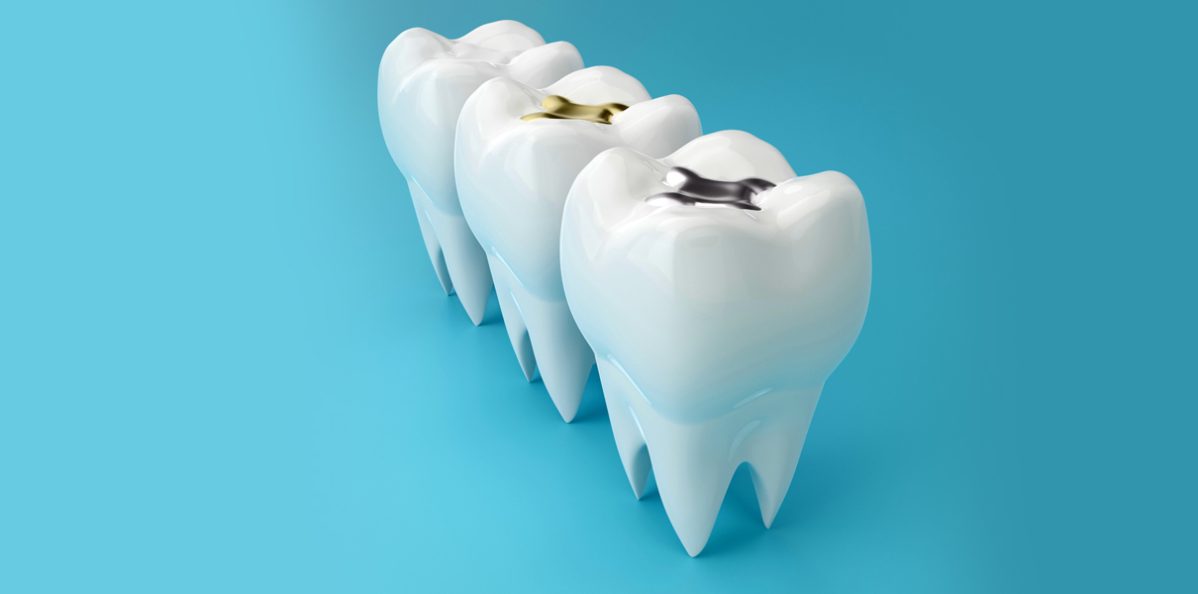
Most patients expect a filling to last indefinitely, but that is not always realistic. Daily chewing forces and temperature changes gradually affect how restorations perform. When dental fillings in Dale City, VA, begin to wear or lose their seal, early evaluation becomes important to prevent further damage to the tooth.
What Happens to Dental Fillings Over Time?
A filling restores a tooth after decay, but it remains under constant stress. Each time you chew, that restored area absorbs pressure. With repeated use, the material begins to change.
Over time, we often see:
- Surface wear from chewing,
- Small gaps are forming at the edges,
- Reduced sealing against bacteria.
Even minor changes can allow bacteria to enter beneath the restoration. This process may not cause immediate discomfort, but it creates conditions that can lead to further damage.
Signs Your Old Fillings Need Replacement
Patients usually notice changes in sensation before they see visible damage. These changes often reflect how the tooth reacts when the seal is no longer stable.
Common signs include:
- Increased tooth sensitivity to hot or cold,
- Discomfort when biting or chewing,
- Rough or uneven areas on the tooth,
- Darkening around the edges of the filling,
- Occasional tooth pain without a clear source
These findings suggest that the filling is no longer protecting the tooth effectively. When the seal weakens, the tooth becomes more reactive to external triggers.
Risks of Delaying Filling Replacement
A worn filling does not always cause strong symptoms right away. However, the underlying condition can continue to progress without obvious warning.
If replacement is delayed, it may lead to:
- Bacteria reaching deeper tooth layers,
- Development of a new decay beneath the restoration,
- Weakening of the remaining tooth structure,
- Increased risk of fracture during normal use.
A small defect can progress into a structural problem. Addressing it early often prevents more complex treatment later.
Modern Filling Materials and Their Benefits
Current materials are designed to bond directly to the tooth and provide better durability under daily stress. These improvements allow the restoration to function more like a natural tooth structure.
Benefits include:
- Strong adhesion to the tooth,
- Improved resistance to wear,
- Reduced leakage at the edges,
- More natural appearance.
When replacing older tooth fillings, these materials help restore strength while improving long-term performance.
How Replacing Fillings Prevents Further Decay
Replacing a compromised filling removes areas where bacteria may be present. Once the old material is removed, the tooth can be cleaned and sealed again.
This process supports:
- Removal of hidden bacterial buildup,
- Restoration of a proper seal,
- Reduced risk of further decay.
When combined with timely cavity treatment, this approach helps maintain the natural tooth and reduces the need for more extensive procedures.
What to Expect During the Replacement Procedure
Filling replacement is a focused procedure designed to preserve healthy tooth structure.
During the visit:
- The existing filling is carefully removed.
- The tooth is examined for any underlying damage.
- The area is cleaned thoroughly.
- A new filling is placed and adjusted.
In many cases, this can be completed in a single appointment, depending on the condition of the tooth.
Tips to Maintain Your New Fillings
After replacement, long-term success depends on consistent care and monitoring.
Helpful habits include:
- Brushing and flossing daily,
- Avoiding excessive pressure from grinding,
- Limiting sugary foods that contribute to decay,
- Attending regular dental visits.
These steps reduce stress on the restoration and help maintain its integrity over time.
When to Visit a Dentist for Evaluation
Fillings should be checked periodically, even when there are no noticeable symptoms. Early changes are often detected during routine exams.
You should schedule a visit if you notice:
- New sensitivity that was not present before.
- Changes in your bite.
- Visible wear or discolouration.
A Dale City dentist can assess whether the restoration is still functioning properly or needs to be replaced. Early evaluation allows for more conservative care.
Why Timely Replacement Matters
Old fillings may appear stable while their seal gradually weakens. Addressing early changes helps preserve tooth structure and reduce the risk of complications.
At Embrace Family Smiles of Dale City, care focuses on identifying worn restorations, replacing them when necessary, and supporting long-term oral health through preventive care. Patients in Woodbridge, VA, Dumfries, Triangle, Quantico, Manassas, Bristow, Nokesville, Mont Clair, Lorton, and Lake Ridge, as well as Alexandria, Springfield, Ft. Belvoir, Stafford, Spotsylvania, and Fredericksburg benefit from ongoing monitoring that helps address small issues before they progress.