
Category: Uncategorized
7 Essential Tips for Finding the Best Dentist Near Me in Dale City

The Surprising Effects of Mouth-Breathing

BREATHING MAY FEEL automatic, but how you breathe can have a big impact on your health. While nasal breathing is the body’s natural and most efficient way to take in oxygen, many children and adults rely on mouth-breathing instead. This may happen occasionally during exercise or when congested, but chronic mouth-breathing can cause surprising effects on both oral health and overall well-being.
Dry Mouth
When you breathe through your mouth, saliva production decreases, leading to dry mouth. Saliva plays an important role in protecting teeth by washing away food particles and neutralizing acids. Without it, you’re at greater risk for cavities, gum disease, and bad breath.
Changes in Jaw and Facial Development
In children, chronic mouth-breathing can affect the way the jaw and face develop. Mouth-breathers often hold their tongues lower in the mouth instead of pressing against the palate. This can lead to a narrower upper jaw, a high-arched palate, and dental crowding. Over time, these changes may also influence facial appearance, often resulting in a longer, narrower facial structure.
Orthodontic Problems
Because of the way mouth-breathing affects jaw development and tongue posture, it often contributes to bite issues such as overbites, open bites, or crossbites. These problems can make it harder to chew properly and may require orthodontic treatment to correct.
Gum Irritation
Constant airflow across the gums can cause them to become dry, irritated, or inflamed. Combined with the higher risk of plaque buildup, this increases the chance of gingivitis or more serious gum disease.
Effects Beyond the Mouth
The consequences of mouth-breathing aren’t limited to oral health. People who breathe through their mouths regularly may also experience:
- Sleep Issues: Mouth-breathing during sleep is often linked to snoring and sleep-disordered breathing, including obstructive sleep apnea. Poor sleep quality can affect focus, behavior, and overall health.
- Low Oxygen Intake: Nasal breathing filters and humidifies the air, while also regulating airflow. Mouth-breathing bypasses these benefits, which can leave you feeling less rested and less energized.
- Speech Concerns in Children: Kids who mouth-breathe frequently may develop difficulties pronouncing certain sounds, as changes in tongue position and oral structures can affect speech development.
What Causes Mouth-Breathing?
Common causes of chronic mouth-breathing include nasal congestion, allergies, enlarged tonsils or adenoids, chronic sinus infections, or structural issues like a deviated septum. Sometimes, it becomes a habit even after the original cause is resolved.
Helping Kids and Adults Break the Habit
If you notice that you or your child often breathes through the mouth, it’s important to address it early. A dentist or pediatric dentist can check for signs of mouth-breathing during exams, such as dry gums, crowding, or an arched palate. Depending on the cause, treatment may include:
- Referral to an ENT specialist to address airway blockages.
- Orthodontic treatment to correct jaw development issues.
- Breathing exercises to encourage nasal breathing.
- Preventive care to protect teeth and gums from the effects of dry mouth.
Breathe Better, Smile Brighter
Mouth-breathing may seem harmless, but its effects on oral health and overall well-being can be significant. By recognizing the signs and seeking help early, you can protect your teeth, improve sleep quality, and support healthier development in children. If you suspect chronic mouth-breathing, talk with your dentist about solutions that will help restore healthy breathing and protect your smile for the long run.
Breathe easier and healthier with the dentist’s help!
The content on this blog is not intended to be a substitute for professional medical advice, diagnosis, or treatment. Always seek the advice of qualified health providers with questions you may have regarding medical conditions.
Sugar Versus Teeth in Elizabethan England

WHEN SUGAR FIRST arrived in England, it was considered an exotic luxury. By the Elizabethan era in the late 1500s, the sugar trade was thriving, and the country’s wealthy elite had embraced this costly import as a symbol of status. Imported primarily from the colonies, sugar was rare, expensive, and often displayed as a sign of wealth and sophistication. Unfortunately, this indulgence came with a hidden cost: a dramatic decline in dental health, particularly among the nobility.
Sugar as a Status Symbol
In Elizabethan society, food was not just nourishment — it was a display of power and refinement. Sugar became a culinary statement, appearing in elaborate banquets as intricately molded sweets, candied fruits, and heavily sweetened pies. Queen Elizabeth I herself was known for her love of sugar, especially candied violets and sugar-dusted delicacies. Diplomats of multiple countries remarked on her blackened teeth.
The wealthy consumed sugar in such quantities that it began to stain and damage their teeth. In fact, darkened, decayed teeth became associated with the upper classes. Some lower-class individuals even used soot or charcoal to stain their own teeth in an attempt to mimic this sign of nobility. While it might have looked fashionable at the time, the underlying dental damage was severe.
The Toll on Dental Health
Before the sugar trade took hold, tooth decay was far less common in England. Diets were based largely on grains, vegetables, and meats, with occasional honey as a sweetener. The arrival of refined sugar changed that almost overnight.
Sugar provides an abundant food source for oral bacteria, which produce acids that erode tooth enamel. Without fluoride toothpaste, dental floss, or professional cleanings, decay spread quickly. In the Elizabethan era, dental care was rudimentary at best. Toothaches were treated with herbal poultices, clove oil, or, in many cases, extraction. By the end of the 16th century, severe tooth decay was a well-known consequence of wealth.
Lessons from History
Today, sugar is no longer reserved for the rich. It is inexpensive, widely available, and present in countless foods and drinks. While we have advanced dental care and preventive tools that the Elizabethans could only dream of, the basic science hasn’t changed. Sugar still feeds the bacteria that cause cavities, and frequent exposure still increases the risk of decay.
The difference is that now we know how to protect our teeth. Limiting sugary snacks and drinks, brushing twice a day with fluoride toothpaste, flossing daily, and visiting the dentist regularly can all help keep decay at bay.
Modern Strategies for Minimizing Sugar’s Impact
To keep your teeth healthy, aim to reduce both the amount of sugar you consume and the frequency of exposure. Here are a few practical tips:
- Save sweets for mealtimes, when increased saliva flow helps wash away sugars and acids.
- Choose water instead of sugary drinks between meals.
- Read labels to spot hidden sugars in processed foods.
- Encourage children to develop healthy snack habits early on.
Sweet in Moderation
The story of sugar in Elizabethan England is a cautionary tale about how quickly dietary habits can affect oral health. The nobility of the time unknowingly paid for their sweet indulgence with widespread tooth decay. We have the benefit of centuries of dental science to guide us toward healthier choices. By enjoying sugar in moderation and practicing good oral hygiene, you can indulge in the occasional treat without sacrificing your smile.
Don’t let that sweet tooth lead to sour consequences!
The content on this blog is not intended to be a substitute for professional medical advice, diagnosis, or treatment. Always seek the advice of qualified health providers with questions you may have regarding medical conditions.
Pediatric Dentistry: From Baby Teeth to Braces
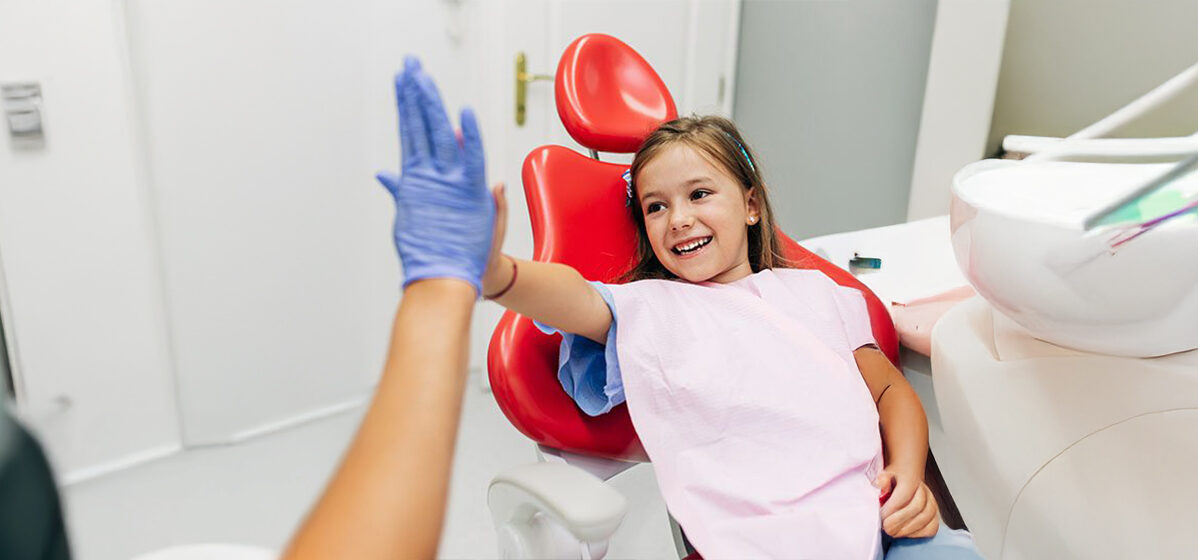
A Parent’s Guide to Cavity Prevention

AS A PARENT, you want to do everything you can to help your child grow up healthy, and that includes taking care of their smile. Cavities are one of the most common childhood health problems, but the good news is that they are largely preventable. By developing good oral hygiene habits early and staying consistent with dental care, you can give your child the best chance at a cavity-free future. Here’s your guide to preventing cavities and promoting lifelong oral health.
Start Oral Care Early
Cavity prevention begins before your child’s first tooth even erupts. Clean your baby’s gums daily with a soft, damp cloth to remove bacteria and get them used to oral care. Once that first tooth appears, switch to a small, soft-bristled toothbrush and a smear of fluoride toothpaste. Early brushing helps protect baby teeth, which are important for eating, speaking, and guiding adult teeth into place.
Children should have their first dental visit by their first birthday or within six months of their first tooth coming in. Early visits build comfort with the dentist and allow for early detection of potential issues.
Establish a Brushing and Flossing Routine
Help your child brush their teeth twice a day using fluoride toothpaste. Use a pea-sized amount for children aged three and older. Young children will need help brushing properly until they can do it well on their own, usually around age six or seven.
Flossing should begin as soon as two teeth touch. Flossing removes plaque and food debris from between the teeth where a toothbrush can’t reach. Daily flossing can significantly reduce the risk of cavities between the teeth and gum irritation.
Watch the Sugar
Sugary snacks and drinks are a leading cause of tooth decay in children. Bacteria in the mouth feed on sugar, producing acids that wear away tooth enamel and cause cavities. Limit sugary treats and drinks, especially sticky candies and sweetened beverages like juice and soda.
Encourage healthier options such as fruits, vegetables, cheese, and whole grains. Drinking water between meals helps rinse away food particles and acids, and fluoridated water also strengthens tooth enamel.
Choose the Right Products
Make sure your child uses a fluoride toothpaste approved by the American Dental Association (ADA). Fluoride helps strengthen tooth enamel and makes it more resistant to decay. Your dentist may also recommend fluoride treatments during dental visits or dental sealants to protect hard-to-reach back teeth from decay.
Sealants are a simple, painless procedure that involves applying a thin coating to the chewing surfaces of the molars. They create a barrier against plaque and food particles and can significantly reduce the risk of cavities in children.
Keep Up with Regular Dental Visits
Routine dental checkups every six months are essential for cavity prevention. Your dentist will check for early signs of decay, apply fluoride treatments if needed, and provide personalized tips to improve your child’s oral hygiene. Dental visits are also an opportunity for your child to build a positive relationship with their dentist, which can lead to better cooperation and a more relaxed attitude toward dental care.
Set the Foundation for a Healthy Smile
Cavity prevention is all about daily habits, smart choices, and consistent care. By starting early and making oral hygiene a part of your child’s routine, you are setting them up for a lifetime of strong, healthy teeth. Never hesitate to ask for guidance or support as you help your child grow a confident, cavity-free smile.
Your dentist is your partner in this journey!
The content on this blog is not intended to be a substitute for professional medical advice, diagnosis, or treatment. Always seek the advice of qualified health providers with questions you may have regarding medical conditions.
Comprehensive Dental Care with a Dentist Near Me

Can Swimming Impact Oral Health?

SWIMMING IS A FANTASTIC way to stay active and healthy, especially during the warmer months. It promotes cardiovascular fitness, builds endurance, and provides low-impact exercise for people of all ages. But while you may be focused on protecting your skin from the sun or your hair from chlorine, it’s also important to think about your teeth. Believe it or not, regular swimming (especially in pools) can have an impact on your oral health.
Chlorine and Tooth Enamel
Most swimming pools are treated with chlorine to kill bacteria and keep the water safe for swimmers. While chlorine is essential for pool hygiene, it can pose risks to your teeth under certain conditions. When pool water is not properly maintained, it can become overly acidic. Frequent exposure to acidic water can gradually erode tooth enamel, the protective outer layer of your teeth.
This condition, sometimes referred to as “swimmer’s calculus,” is more common in individuals who spend extended periods of time in pools, such as competitive swimmers or swim instructors. Signs of enamel erosion include increased tooth sensitivity, discoloration, or rough spots on the surface of your teeth.
Pool Water and Tooth Staining
Swimming in improperly balanced pool water can also lead to staining. Minerals and chemicals in the water may react with proteins in saliva to form deposits on the teeth, especially the front teeth. Over time, these brown or yellow stains can become noticeable and difficult to remove with regular brushing alone.
Professional cleanings can often remove these stains, but prevention is always better. If you or your child spends several hours a week in the pool, it’s a good idea to have regular dental checkups to monitor any changes.
The Risk of Dental Injuries
Swimming pools can also be a source of accidental dental injuries. Slippery pool decks, diving boards, and rough play in the water can lead to falls or collisions that result in chipped, cracked, or knocked-out teeth. Children are especially at risk because they may be less aware of the hazards around them when having fun in the pool.
To prevent injury, remind kids to walk — never run — on pool decks, and avoid roughhousing in or near the water. For athletes who participate in water polo or diving, wearing a mouthguard can help protect their teeth from trauma.
How to Protect Your Smile
If you or your child swims frequently, taking a few extra precautions can go a long way in preserving your oral health:
- Rinse your mouth with fresh water after swimming to help wash away chlorine and other chemicals.
- Avoid opening your mouth underwater, especially in public or heavily chlorinated pools.
- Maintain regular dental visits so your dentist can monitor any signs of enamel erosion or staining.
- Use a soft-bristled toothbrush and fluoride toothpaste to help strengthen enamel and gently clean your teeth.
- Drink plenty of water to keep your mouth hydrated and encourage natural saliva production.
Dive Into Healthy Habits
Swimming is a fun and healthy activity, but it is important to be aware of how it might affect your teeth. With proper precautions and regular dental care, you can enjoy the pool while keeping your smile in top shape. If you’re an avid swimmer or have concerns about your child’s dental health, talk to your dentist about additional ways to protect your teeth both in and out of the water.
Enjoy the water this summer, but don’t forget about your teeth!
The content on this blog is not intended to be a substitute for professional medical advice, diagnosis, or treatment. Always seek the advice of qualified health providers with questions you may have regarding medical conditions.
Dealing With Bad Breath: Then and Now

HAVE YOU EVER wondered how people in the past dealt with something as common as bad breath? In Medieval England, even without the toothbrushes, toothpaste, and dentists we rely on today, people still cared about having fresh breath, but their understanding of dental health and what caused bad breath was quite different from ours.
Bad Smells and Strange Cures in Medieval Times
In Medieval England, and many other places, there wasn’t a good understanding of what caused issues like cavities or gum disease. People believed that bad smells, including bad breath, could actually carry disease on their own. This led them to focus on masking or neutralizing the smell rather than addressing the underlying causes we understand today.
Their solutions for bad breath were primarily smell-based dental care. They would chew on various spices. For instance, characters in Chaucer’s Canterbury Tales were depicted chewing licorice and cardamom to keep their breath fresh. Women were sometimes advised to chew a mixture containing aniseed, fennel, and cumin.
Strange Remedies
Beyond bad breath, dental problems were common, though different from some modern ones. Cavities weren’t widespread until the sugar trade increased in the 1400s. However, tiny stone chips from millstones often ended up in bread, and cracking a tooth on their bread was a significant reason many adults lost teeth. When it came to toothaches, remedies were often dubious.
While the wealthy might afford myrrh and opium, others resorted to strange practices like burning a candle made of mutton fat and sea holly seeds near the mouth, believing it would lure out “worms” hiding inside the teeth. We now know those “worms” were just tooth roots.
Modern Solutions
Fast forward to today, and our approach to bad breath and dental health is grounded in a much deeper understanding of the body and disease. We know that many dental problems, including chronic bad breath, are often caused by bacteria, plaque, and decay.
Instead of just masking smells, modern dental care focuses on preventing issues through consistent oral hygiene. This includes brushing your teeth at least twice a day (and ideally after meals) with fluoride toothpaste, and flossing daily to remove food particles and plaque from between teeth and along the gumline. Using an alcohol-free mouthwash can also help rinse away debris. These practices are crucial for preventing cavities, gum disease, and plaque buildup, which are common contributors to bad breath.
Focusing on Causes and Comprehensive Care
Modern dentistry also offers effective treatments for dental issues that were unheard of in Medieval times. We have highly successful procedures like root canal treatment to save infected teeth, orthodontic treatments to straighten teeth and correct bite issues, and restorative procedures like fillings and crowns. Dental professionals, including general dentists, endodontists who specialize in the inside of the tooth, and orthodontists who specialize in alignment, have the knowledge and technology to diagnose and treat dental problems effectively.
A Healthier Mouth for a Healthier You
Living in modern times certainly offers advantages when it comes to dental health. We’ve moved beyond chewing spices and burning strange candles to prevent bad smells and treat pain. Today, we understand that a healthier mouth can lead to better overall health. By practicing good oral hygiene habits, we can keep our smiles healthy and bright for a lifetime.
Make sure to keep up with your regular dental visits too!
The content on this blog is not intended to be a substitute for professional medical advice, diagnosis, or treatment. Always seek the advice of qualified health providers with questions you may have regarding medical conditions.
How Sleep Apnea Affects Oral Health

SLEEP APNEA IS a serious medical condition that affects millions of people, including both adults and children. While it is commonly associated with snoring, daytime fatigue, and disrupted breathing during sleep, many people are unaware of its impact on oral health. Whether you are a parent concerned about your child’s sleep or an adult experiencing symptoms, it is important to understand how sleep apnea and dental health are closely connected.
What Is Sleep Apnea?
Sleep apnea is a sleep disorder that causes repeated interruptions in breathing during the night. The most common form, called obstructive sleep apnea (OSA), happens when the muscles in the back of the throat relax and block the airway. These pauses in breathing can occur many times each night and lead to poor sleep quality along with a variety of health issues, including those that affect the mouth and teeth.
Dental Clues That May Indicate Sleep Apnea
Dentists are often among the first healthcare professionals to recognize signs of sleep apnea. During routine dental exams, they may observe indicators such as:
- Worn-down teeth (bruxism): Many people with sleep apnea grind or clench their teeth during sleep, which can cause teeth to appear flat, chipped, or overly sensitive.
- Dry mouth: Breathing through the mouth while sleeping is common with sleep apnea and often results in reduced saliva. This can increase the risk of tooth decay, gum disease, and bad breath.
- Red or irritated gums: A lack of saliva can leave gums more vulnerable to inflammation and discomfort.
- Scalloped tongue: The sides of the tongue may develop ridges from pressing against the teeth due to limited airway space.
- Jaw pain or TMJ issues: Jaw tension and discomfort may develop due to chronic clenching or misalignment caused by nighttime breathing problems.
The Effects of Sleep Apnea in Children
Sleep apnea in children can interfere with healthy oral and facial development. When a child’s airway is restricted, they may rely on mouth breathing, which can change the shape of the jaw and affect how their face grows. These changes can result in misaligned teeth, a narrow palate, and challenges with chewing or speaking.
Signs of pediatric sleep apnea may include snoring, bedwetting, trouble focusing in school, or frequent tiredness during the day. Pediatric dentists are trained to notice subtle oral signs that might indicate a breathing disorder and can refer families to appropriate specialists when needed.
Treatment Options and Support
If sleep apnea is suspected, a dental professional may recommend a sleep study or coordinate care with a physician or sleep specialist. Treatment will depend on the severity and cause of the condition. Common approaches include:
- Oral appliance therapy: For many adults, a custom dental appliance can reposition the jaw to keep the airway open during sleep.
- CPAP therapy: Continuous Positive Airway Pressure (CPAP) machines are often prescribed for more severe cases of sleep apnea.
- Orthodontic care: Children may benefit from early orthodontic treatment to widen the jaw and improve airway space.
- Tonsil or adenoid removal: In some cases, surgery to remove enlarged tonsils or adenoids can resolve the condition in children.
Improve Sleep and Protect Smiles
Sleep apnea can quietly undermine your oral health in addition to disturbing your rest. If you or your child shows signs such as teeth grinding, dry mouth, or inflamed gums, it is important to bring these concerns to your dentist or pediatric dentist. Early detection and treatment can support better sleep and healthier smiles.
Prioritizing both sleep and dental care helps lay the foundation for overall well-being.
The content on this blog is not intended to be a substitute for professional medical advice, diagnosis, or treatment. Always seek the advice of qualified health providers with questions you may have regarding medical conditions.
How to Teach Your Kids Dental Health Habits

BUILDING STRONG DENTAL health habits early in life sets the stage for a lifetime of healthy smiles. Children who learn to brush, floss, and care for their teeth from a young age are far more likely to maintain those habits into adulthood. As a parent or caregiver, you play a key role in teaching your child how to care for their smile. The good news is that developing these habits can be fun, educational, and rewarding for the whole family.
Start Early
You don’t need to wait for your child to have a full set of teeth to begin teaching dental care. In fact, oral hygiene should start even before the first tooth erupts. Gently wipe your baby’s gums with a clean, damp cloth to remove bacteria and help your child get used to the feeling of oral care. Once teeth begin to appear, switch to a small, soft-bristled toothbrush and a tiny amount of fluoride toothpaste.
By the time your child is around age one, it’s time for their first dental visit. Early visits help your child become comfortable at the dental office and allow the dentist to catch any potential issues before they become bigger problems.
Make Brushing Fun
Young children are more likely to stick to a brushing routine if it feels like playtime instead of a chore. Choose toothbrushes that feature their favorite characters or bright colors, and let them pick one out at the store. Play a two-minute song or use a kid-friendly timer to make sure they brush long enough.
You can also take turns brushing each other’s teeth or use a stuffed animal to demonstrate good technique. These activities make brushing feel interactive and give your child a sense of involvement and control.
Use Positive Reinforcement
Praise and encouragement go a long way in helping kids build confidence in their dental routine. Compliment their brushing technique or create a reward chart where they can earn stickers for brushing twice a day and flossing regularly. You might even consider small, non-food rewards for reaching milestones, such as a special outing or a new book.
Avoid using negative language or punishment related to brushing and flossing. If your child resists, try to understand why and work together to find a solution that makes them feel supported and successful.
Lead by Example
Children are natural imitators, so one of the most effective ways to teach dental habits is by practicing them yourself. Brush and floss your teeth in front of your child and explain what you’re doing and why it matters. When kids see that oral hygiene is important to you, they’re more likely to view it as a normal part of daily life.
Keep Up with Regular Dental Visits
Routine dental checkups help reinforce the importance of oral care and give your child a chance to hear about healthy habits from someone other than a parent. Your dentist or pediatric dentist can offer tips tailored to your child’s needs and help detect any problems early.
Build Healthy Smiles That Last
Teaching your kids good dental habits doesn’t have to be difficult. With patience, consistency, and a little creativity, you can turn daily brushing and flossing into something your child enjoys and takes pride in. Start early, lead by example, and make it a family priority.
The habits you build today will help protect your child’s smile for years to come!
The content on this blog is not intended to be a substitute for professional medical advice, diagnosis, or treatment. Always seek the advice of qualified health providers with questions you may have regarding medical conditions.