Category: Uncategorized
Pediatric Dentist Near Me In Woodbridge Area

Around two weeks ago one of our patient’s said “I was looking for a Pediatric Dentist near me and am so happy that I found Embrace Family Smiles”. Whenever our patients tell us things like that it brings a smile to our face and let’s us know that our patient’s are satisfied with the level of dental care they receive in our local VA dental office.
Our Pediatric Dentists in Woodbridge Work With Children Of All Ages
It brings us immense pride to say that we offer the best Pediatric Dental Care in Virginia and that the level of care our patients receive is unmatched in Woodbridge. Our amazing dental staff work with children of all ages. We’d like to be your family dentist for many years to come. Stop by and visit our Virginia office located at 3320 Noble Pond Way #109, Woodbridge, VA 22193.
The Kids Dentist Woodbridge Parents Love
Golden Pediatric is the kids dentist Woodbridge parents want their child to see. We have a reputation in the local area for providing outstanding childrens dental care. If you’ve been searching for the perfect children’s dentist in look no further!
Pediatric Dental Services We Provide
- Professional, kid-focused and kid-friendly dental hygiene cleanings (dental prophylaxis) by our highly trained and caring team
- Age-appropriate oral hygiene instructions and developmental guidance counseling
- Pediatric oral surgery
- Nitrous oxide sedation (laughing gas) to help our patients relax
- Dietary nutrition counseling
- Professional and at-home fluoride treatments
- Sealants and tooth color fillings (dental restorations)
- Stainless steel and esthetic crowns
- Endodontic treatment such as pulpotomies and pulpectomies
- Referrals to our In-House board certified orthodontist, Dr. Hennigh.
- Sports guards and night guards
Recent Reviews from Pediatric Dentist Patients in VA:
Great dentist, great dental assistants. They are always happy and professional. We have been going here for many years. Lonnie is the best!
We had the best orthodontic experience with Dr Hennigh. He and his staff made us feel welcome after a cross country move. They were knowledgeable of our sons rare situation and walked us through what would be next with confidence and professionalism. Highly recommend Dr Hennigh!
I’ve taken my 3 kids here for 14 years now and haven’t had one bad experience with them. And we go A LOT. All 3 in Ortho too. The entire staff is amazing, so great that I actually miss them when we don’t go for a few months. We never have to wait long and I always trust they are doing the right thing for my kids’ mouths. Highest recommendations!!!
The Children’s Dentist Woodbridge Parent’s Trust!
Looking For the Best Dentist Near Me

Dental services are essential from childhood to the entire adult life. Generally, visiting a dentist often is vital to maintaining dental hygiene and a healthy smile. You should see a dentist once every half year or according to the dentist’s recommendations. To enable such visits and for one’s convenience, it is best to have a dentist nearby, so you don’t have to travel miles in search of dental services. Aside from proximity, there are several other considerations to factor in when choosing a dentist , as highlighted in this article.
Factors to consider when selecting a dentist
Research on the Dentist’s Credentials
The qualification of any health professional, including a dentist, is vital. Checking if the professional has a board certification assures you that the dentist has the required training, skills, and experience in the entire dentistry practice, thus enhancing trust and confidence. Moreover, you can also confirm that the professional has no history of malpractice allegations or disciplinary actions on state websites.
Consider the dentist’s experience.
Skill is always crucial, especially in technical fields such as dentistry. The more their experience, the higher the chances for better results. Consider the dentist’s additional training if you seek complex procedures such as endodontics and orthodontics. You can inquire with the dentist if they have performed such procedures before, the success rates, and any risks or complications.
Know your insurance coverage
Dental insurance is a practical key player in decision-making because you may want to get the most out of your insurance benefits while spending the least amount of money out of your own pocket. Bearing this in mind, you may require to select a dentist who is a part of your plan. However, consider other vital factors and credentials when choosing a dentist with your coverage.
Read the patient review.
Reading comments from other clients who have gone through dental services from a particular dentist or hospital provides insight into dentistry practices and operations. Patient reviews reflect the dentist’s experience, professionalism, scheduling and appointments, as well as the general office environment and staff friendliness.
Check on the dentist’s services and cost.
Confirm if the dentist offers the services you seek and if they are within your budget range. Moreover, the dentists should provide a treatment plan for review before starting any procedure to know the consequences of the health decisions you make and available alternatives.
A good doctor-patient relationship
The dentist should create a conducive environment for the patient to ask questions and disclose any personal information. The professional should always be familiar with the patient’s medical history and be responsive in an unbiased, non-judgmental manner. They should understand the patients’ issues, such as sensitivity, and address their particular concerns.
Latest technology
Ensure the dentist uses the latest dental technology and high-quality equipment. Similar to any other field, dentistry techniques and technology keep on evolving. It’s better to work with a dentist familiar with such technology and procedures for effective services.
Check their website and send an inquiry
After getting a few dental facility options, contact them:
- Enter their website to see the services they offer.
- Take their contacts from there and contact them for more information. Keep in mind that a good dental facility has an attractive website with useful content.
- Determine whether the staff are friendly and professional after contacting them.
Advantages of having a dentist nearby
Ease and convenience
Dental appointments take up a part of your time, meaning you will have to coordinate between school or work schedules so that you make it. A dentist close to your location works best for ease and convenience, as you do not need to travel miles or arrange for a long trip to meet a dentist. Ease of access is significant when it comes to emergency medical treatment.
Commitment to regular check-ups
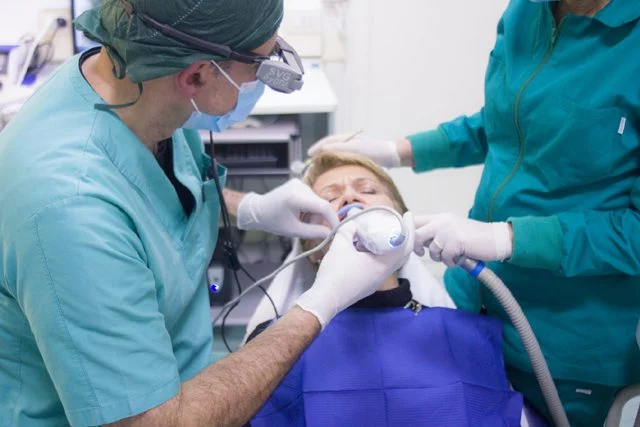
Regular dentist check-ups are essential in preventing tooth decay, cavities, and healthy teeth and gums. If the dentist is close, it makes it easier for one to commit to regular check-ups and therefore has higher chances of preventing dental illnesses. Moreover, you will be able to tell what oral habits you should change, such as using the wrong toothpaste. It will also be easier to schedule tooth whitening and other dental services. Working with a dentist comes with a package of dental health benefits.
Establish a lasting relationship
With a close-by dentist, you can form a lasting relationship through the regular visits owed to the ease of access. It makes it easier to create a professional relationship with the patient, as they will be more comfortable. The professionals will have their own oral medical history and know what is best for their patients. The relationship may extend to the patient’s entire family and ease a child’s dental anxiety.
The best dentist – Golden Pediatrics
If you are looking for a dentist nearby, Golden Pediatrics has got you covered. We have the best dental experts who have extensive experience in handling a broad spectrum of dental issues. When you consult us, we are keen to listen to all your requirements. From there, we examine you and suggest the best treatment options. Do not hesitate to contact Golden Pediatrics if you need quality dental services.
Why Are Early Visits To The Kids Dentist Important?
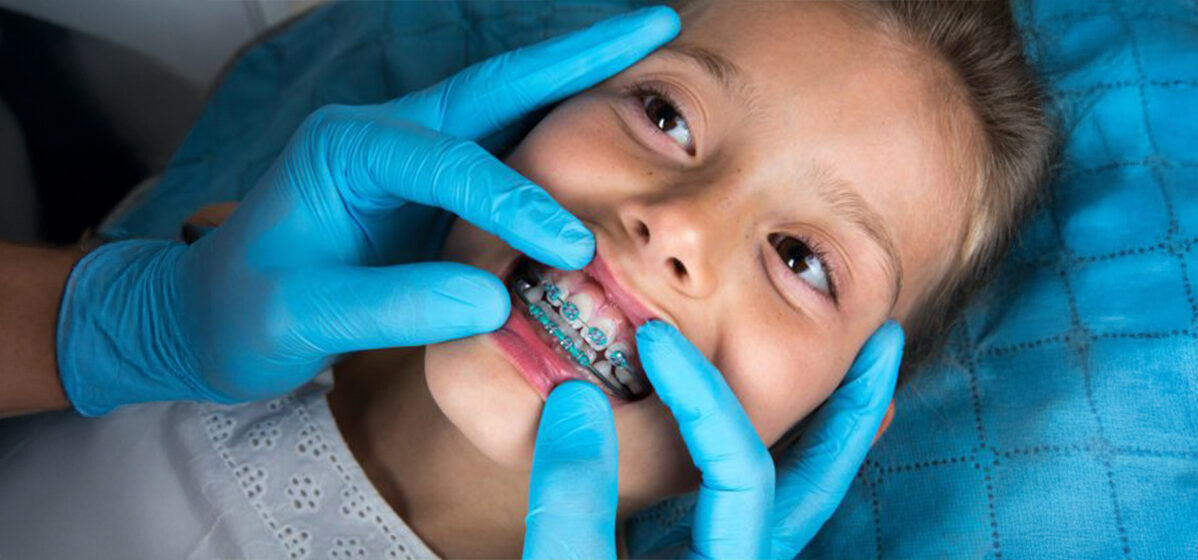
As soon as your child develops teeth, you should start thinking about getting a kid’s dentist. Children are more susceptible to dental and orthodontic problems. Therefore, getting them to see a dentist from an early age significantly improves their oral health. For best results, it is always advisable to take your child to a kids dentist instead of a family dentist.
The difference between a Kids dentist and a Family dentist
More often than not, general dentists deal with dental problems in children. Nevertheless, this does not qualify them as pediatric dentists. Typically, pediatric dentists specialize in children’s dentistry. On the other hand, family dentists specialize in general dentistry. Below, we look at the differences between a kids dentist and a family dentist.
What makes a pediatric dentist unique?
Dental equipment:
The equipment you find at a kids dentist is totally different from that of a general dentist. Since they only deal with children, they have child-friendly equipment. For instance, their oral insertion tools are smaller, making them perfect for children. Also, the seats and tables are comfortable for children. Family dentists have bigger dental tools that might hurt your child. Not to mention, the environment at a pediatric dentist’s office is child-friendly. This way, it reduces your child’s fear and anxiety levels.
Training and education:
Both general dentists and kids dentists have a bachelor’s degree in dentistry from reputable institutions. Once they complete their studies, some choose to specialize in different areas of dentistry, while others settle for general dentistry. In particular, pediatric dentists often undergo a three-year program for child dentistry. Here, they learn the special skills required to handle dental issues in children. They get to understand the common dental issues that affect children and how to prevent them. A general dentist does not get to go through this training. As a result, it is always better to take your child to a kids’ dentist instead of a general dentist.
Experience:
Pediatric dentists have more experience dealing with children since they complete a three-year specialty program in child dentistry. Here, they are usually taught how to talk and how to handle small children. Additionally, pediatric dentists know the best techniques for preventing dental issues in children. Pediatric dentists also have the unique skill of determining whether a child’s teeth are growing correctly. On the flip side, general dentists have limited experience dealing with children. They may find it difficult to be patient with children during checkups and recommend the best oral hygiene practices.
Why should I choose a pediatric dentist?
Typically, pediatric dentists are more qualified to deal with children than general dentists. The majority of pediatric dentists enjoy working with children. Most of them are passionate about what they do. Thus, they can calm your child during checkups and build a good friendship with them. Remember, your child needs to feel safe and protected, especially during dental checkups. Otherwise, they may end up throwing tantrums. Look for a pediatric dentist who goes the extra mile to establish a strong rapport with your child. Kids dentists also have child-friendly offices. Consequently, your child won’t dread back-to-school dental checkups. At the end of the day, it would be best to choose a pediatric dentist for your child.
Can pediatric dentists treat adults?
Most people often wonder whether a pediatric dentist can treat adults. As mentioned earlier, pediatric dentists know about general dentistry. However, they further specialize in child dentistry. So, although they can treat adults pretty well, they have a speciality in treating children. Therefore, their strength lies in treating kids. Subsequently, they don’t offer adult-friendly services like denture repair and Invisalign installation.
Factors to consider when choosing a kids dentist
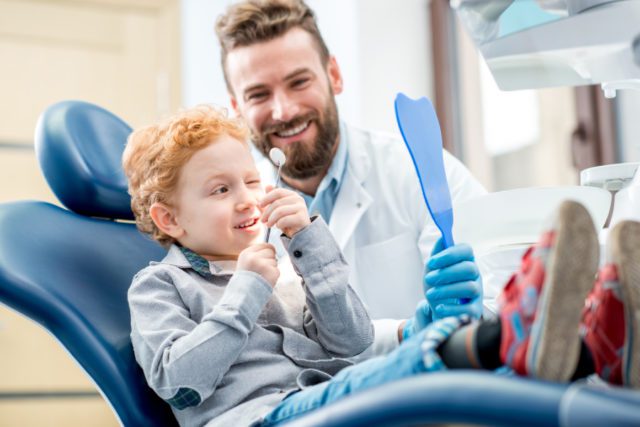
Generally, you have to consider certain factors before settling for a specific kids dentist. One of the most common things to consider is the experience of the pediatric dentist. It would be best to hire an experienced pediatric dentist familiar with a wide range of dental problems. This way, they would suggest the best treatment options for your child’s dental problems.
Needless to say, you should consider your budget when choosing a pediatric dentist. Get a kids dentist who you can afford. Otherwise, you might end up broke because of expensive dental checkups. Your pediatric dentist should offer the best possible services at reasonable prices.
Are you looking for kids dentist?
It is clear to see how a kids’ dentist is important. Kids dentist often specialize in child dentistry. Thus, they handle dental issues in children better compared to general dentists. Here at Golden Pediatric Dentistry, we have the best kids dentists who offer quality services. They have extensive experience in diagnosing and treating dental problems in children.
Pediatric Dental Care Provider In Burke, Woodbridge
Where to Find The Best Pediatric Dental Care in Burke and Woodbridge.
Embrace Family Smiles offers the right dental care based on your child’s unique needs and we make certain that he or she feels comfortable and safe during each and every visit.
Our attentive dental staff ensures that each young patient get warm and friendly treament, not to mention expert care during their procedures. With our conveniently located dental office in Burke, our patients know us as their trusted pediatric dentist not only in Burke, but in Dale City and Woodbridge as well.
Board Certified Pediatric Dentists Provide Expert Dental Care
If you are looking for a children’s dentist in Burke, call us today at (703) 590-2526 to learn more about our dental services. After one visit you’ll see why so many parents trust us as the #1 pediatric dentist for their children.
In addition to being board-certified specialists in pediatric dental care, we also take a relaxed and friendly approach to children’s dental care. Rest assured, your child will feel at ease with our inviting and professional staff, effectively reducing any anxiety you or your child may feel about going to the dentist.
We Provide a Wide Range of Kid-Friendly Dental Services
Over the years, our pediatric dentists have helped children across Virginia maintain great oral health. We promote a safe and kid-friendly atmosphere that enables children to relax in our dental office and even look forward to their routine visits!
Golden Pediatric Dentistry & Orthodontics Provides Kid-Friendly Dental Care Parents Trust
Because we provide such a comfortable environment, our local pediatric dentists in Virginia offer kid-friendly dental services that parents and children trust. These services include preventive care, sedation, restorative dental work, and emergency dental treatments.
Golden Pediatric Dentistry & Orthodontics – Where Parents Find The Find Pediatric Dental Care In Burke, Woodbridge Virginia
At our Pediatric Dental Office in Burke, all of our Dentists are specially trained to provide oral health care to infants, children, adolescents and children with special needs.
Pediatric Dentists Receive Special Training On How To Deal With Kids
All Pediatric Dentists have spent an extra two years of training (in addition to the standard four years of dental school) in providing dental services for children. This training includes child psychology, behavior management, preventative dentistry, general anesthesia, oral conscious sedation, management of trauma, and hospital dentistry.
Visit Our Burke Pediatric Dental Office
What To Expect During Your Child’s First Dental Visit
Depending on your child’s age and oral health, we make take Digital X-rays during their first exam. During your child’s first dental visit, your child’s pediatric dentist will count their teeth and perform a thorough dental examination. The next steps will be a cleaning, fluoride application and then possibly applying dental sealants to help your child prevent cavities. If the child is an infant or todler, the Pediatric Dentist may perform the dental exam with your child sitting on your lap in the chair. We will do our best to help make your child feel safe and secure during the exam.
Questions About Pediatric Dentistry?
If you have pediatric dental questions or are looking for the right kids dentist in Burke, Woodbridge, or surrounding areas, call today and talk to one of our dental specialists who can help set you up with an appointment right away. Our patients come from all around Burke, VA because we strive to ensure that you and your child have the most enjoyable experience possible and they know they will receive the same level of care at any of our other offices. One of the ways our dental group achieves this is by paying special attention to your child’s unique dental needs and then applying the appropriate treatment based on the best possible outcome for their oral health as they continue into adulthood.
How Often Should My Child See A Dentist?
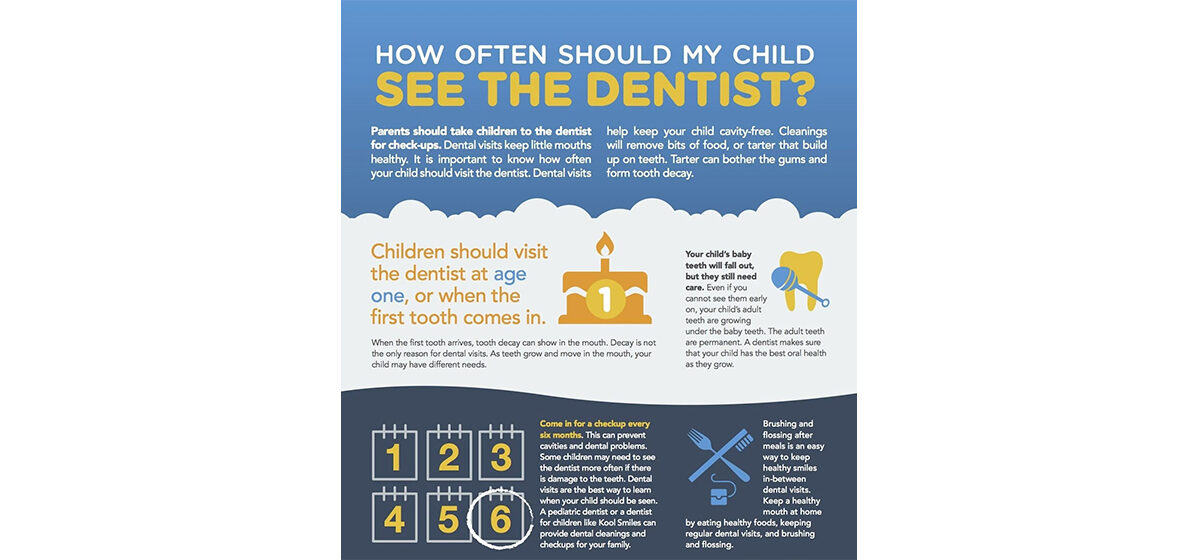
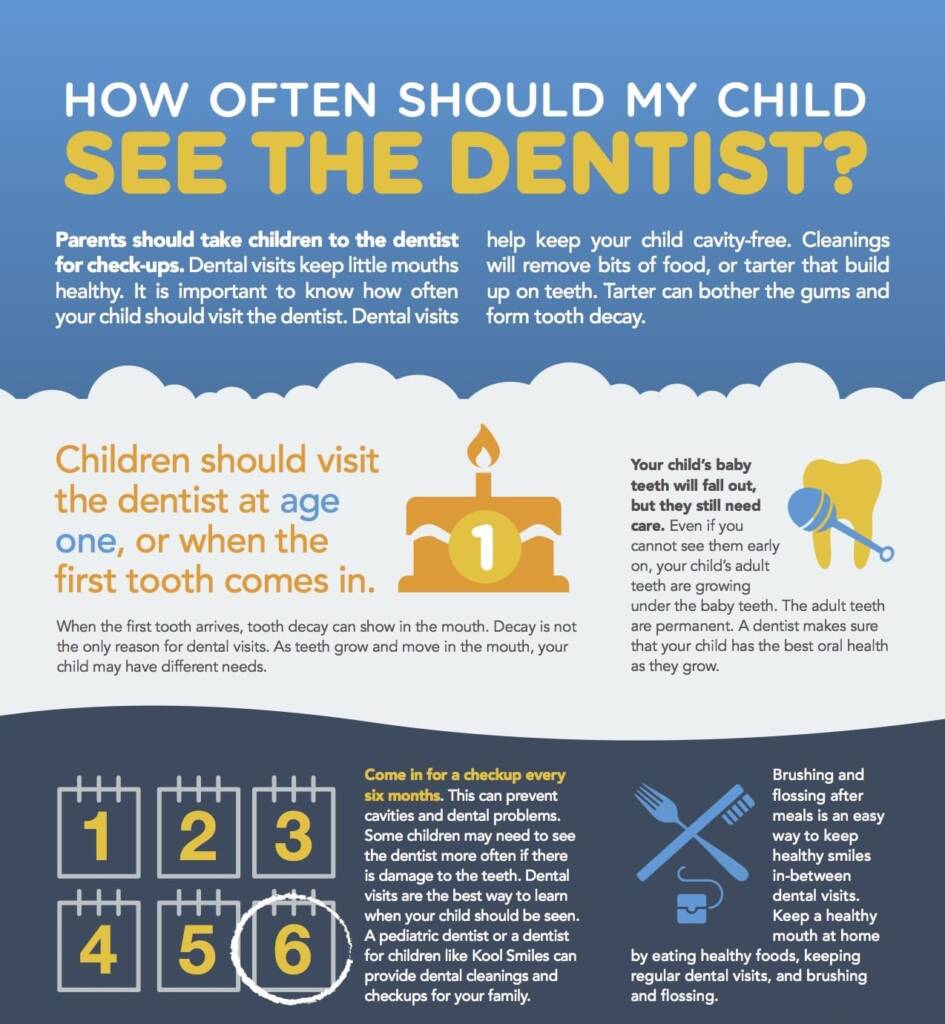
Sometimes it can be hard to tell how much dental care a child needs. Parents usually have lots of different questions, such as when their child should first visit the dentist, at what age their child should start flossing, and how often to schedule regular dental checkups.
Wondering How Often Your Child Should See a Dentist?
Caring for your child’s teeth should begin before they ever have their first dentist visit; in fact, it should start before your child even has any visible teeth. A baby is born with 20 primary teeth under their gums, these begin to emerge at around six months of age. Before these baby teeth erupt, it’s advisable to clean their gums with a damp washcloth to wipe away any harmful bacteria. Once their teeth begin to emerge, that’s when you should gently brush them with a soft baby toothbrush and plain water.
The ADA Says Your Child Should See a Dentist Before They Are 1
According to the American Dental Association, a child’s first visit to the dentist should happen by his or her first birthday. During their first visit to the dentist, the focus will be on introducing your child to the dentist, getting them comfortable in the dentist’s chair and teaching parents how to provide oral care for their baby. In most cases you won’t have to return for another year, when your child reaches two years old. Subsequently, your child should begin regular visits to the dentist every six months, just like adults do. Pediatric Dentists often take a child’s first dental x-rays between the ages of 4 and 6 years old.
Most Pediatric Dentists Recommend Dental Sealants To Prevent Cavities From Forming
Between ages 6 and 12, when baby teeth are still present, a child’s dental care begins to shift to prevention treatments. Between ages 7-9, your child’s Pediatric Dentist will most probably recommend applying a dental sealant, which is a plastic resin that bonds to chewing surfaces and protects teeth from cavities. Sealants are most commonly applied to molars, which contain grooves and valleys for bacteria to adhere to and cause cavities.
How Many Times a Year Should My Child See a Dentist?
When To Tell If Your Child Needs Braces
At around 7 years of age is the optimum time for a child to have an orthodontic evaluation. If braces are required, the Orthodontist will probably not recommend fitting your child for braces until their early teens; however, identifying any causes for crooked teeth when they are in pre-adolesence may help determine what they will need for a healthy mouth through adulthood.
What Kids Should Expect During Their Dental Visit
On your child’s first visit to our office, the dentist will ask for a full health history and perform a brief examination of the teeth and jaw structure. On subsequent up visits, if your child’s health status has changed, make sure to inform the Dentist during your visit. Here’s what your child can expect during most visits to the dentist.
They Will Have Their Teeth Cleaned
One of our dental hygienists or the dentist themselves will scrape elow the gum line to remove any built-up plaque and tartar, both can cause gum disease, bad breath, tooth decay and other problems. We will then polish and floss your child’s teeth.
We Will Perform A Complete Dental Examination
Your child’s Pediatric Dentist will perform a complete and thorough dental exam of their teeth, gums and mouth, looking for any signs of disease or other conditions.
Occassionally Perform X-Rays
X-rays can often diagnose problems which go otherwise unnoticed until pain makes them noticeable, such as damage to jawbones, impacted teeth, abscesses, cysts or tumors, and decay between the teeth.
Help Your Child Establish Good Dental Habits
Start taking your child to the dentist at a young age and stick to a regular schedule of dental checkups. You can avoid most major dental problems, or catch them early on and avoid unnecessary pain and expense by establishing good routines. Gold Pediatric Dentistry & Orthodontics are pediatric dentists that specialize in children’s dental health. Our Pediatric Dentists are skilled at putting frightened children at ease and also knowledgeable about when to refer you to another specialist such as an orthodontist or oral surgeon. If you’ve been looking for a good family dentist in Burke, Dale City, Woodbridge or Dale City – give our practice a call today. We provide Pediatric Dentistry, Orthodontics, general dentistry for adults and emergency dental care.
Consistency Is The Key To Good Oral Health
The number one way to ensure your child’s oral health is consistent is to: brush twice a day, floss at bedtime, and get regular dental exams. A Pediatric Dentist can instruct your child on proper brushing techniques and how to floss. The doctor will let your child know if they are leaving plaque behind while brushing and how to correct their brushing habits. This type of instruction is taken more seriously when it comes from the dentist than when it comes from a parent usually. Just adhere to a recommended dentist exam schedule and you’ll provide you child with excellent oral care and a healthy smile that should last them a lifetime.
Looking for a Pediatric Dentist in Burke, Woodbridge or Dale City? Schedule an appointment today.
How to Find Affordable Dentists
Indisputably, everyone should do their very best to take care of their dental health. According to recent statistics, the majority of individuals struggle with dental problems. Preventing these problems requires you to observe all dental care practices. One of the things you have to do is visit a dentist regularly. So, conduct thorough research and settle for the most affordable dentists who will offer quality dental care.
But where can you find affordable dentists?
Currently, there is a broad spectrum of dentists you can find. Nonetheless, getting affordable dentists who provide quality services is not a walk in the park. Below, we discuss some of the ways you can find affordable dentists.
Consult your dentist:
Although your dentist may offer costly services, check whether they have any payment plans. Some dentists offer saving plans that enable you to save up for your dental care procedures. Others allow you to pay for dental care in monthly installments. So, ask your dentist whether they have any payment plans that cater to your requirements. Also, ask them if they can refer you to any dental insurance company. At times, dentists may set aside a day or two where they offer services at discounted prices just to give back to the community. So, take advantage of these days.
The Local Dental Schools
If you are looking for affordable dentists, you can find them in local dental schools. Here, dental care services are quite affordable since they only charge for equipment. At the same time, you can still access quality dental care services at your local dental school. Nonetheless, conduct thorough research on the best local dental school in your area.
From Your State
Another place to find affordable dentists is through an assistant program in your state. Do research for the best assistance programs that offer dental care. Call them and find out how to register for the services. The majority of states offer such services for people with low income.
Federally Qualified Health Centers
Look for affordable dentists in federally qualified health centers. Such health facilities cater to people with low income. You can find dental care services at discounted prices in such facilities. So, visit your nearest federally qualified health center and check whether you qualify for a discount. Fortunately, they offer good dental care services even though their prices are discounted.
Charitable Organizations
If you are really having a hard time finding an affordable dentist, consider reaching out to several charitable organizations. Many charitable organizations pay for quality dental care. So, contact them to see if they can help. Some charitable organizations to consider contacting are the Dental Lifeline Network and Missions of Mercy. Look them up online or contact them through their website.
Government Programs for Children
The government has several programs for children that cater to medical costs. These programs are uniquely designed to help parents who cannot afford to pay for their children’s dental care. Luckily, many dentists participate in such programs.
The average cost of dental care
There is a broad spectrum of factors that affect the average cost of dental care. Some include age and the dental procedure. Let’s look at how much dental care costs depending on an individual’s age.
Cost of dental care for 6-to-12-year old children
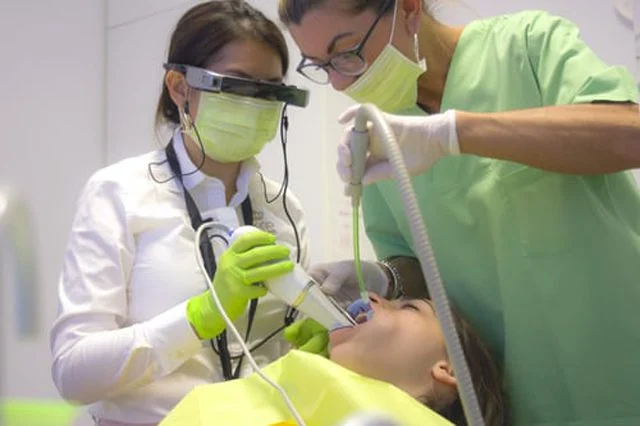
Dental experts advise taking your child for dental checkups as soon as they reach six years of age. This way, they’ll undergo professional teeth cleaning and get any dental appliances they need to wear. The average cost of taking a 6- to 12-year-old child to the dentist is roughly $65 to $100 per visit.
Cost of dental care for children aged 12 and above
At this age, dental care involves tooth cleaning and identifying any underlying dental problems. If your child has an orthodontic problem, they can begin treatment at this time. Also, the dentist will check whether the wisdom teeth are likely to have good positioning. It costs about $65 to $100 per visit.
Cost of dental care for adults (21 and older)
Once you become an adult, the average cost of dental care increases. Roughly, you’ll end up spending about $150 to $200 per checkup. Your dentist will check for gum disease, among other dental problems. If you are not happy with your smile, you can discuss any cosmetic procedures with your dentist.
Summary
It is clear that finding affordable dentists who offer quality services is not that simple. Therefore, conduct thorough research on dentists who offer discounted prices or those located in local dental schools. We, at Golden Pediatric Dentistry, offer the best dental care services that are reasonably priced. If you are looking for an affordable dentist, do not hesitate to contact us. We’ve got you covered!
What to Do When You Crack a Tooth

Though it may be a little scary, if you crack a tooth, do not panic. A cracked tooth is more popular than you think, and a dentist has options to repair it. Cracked teeth result from teeth grinding, trauma to the face, cavities, poor dental hygiene, chewing on a hard object, or bad bites.
To start with, any cracked tooth can be a dental emergency. This is because it can get infected. The crack might just affect the tooth enamel, or it might spread to the root.
Contact your dentist right away to see steps should be taken. Keep in mind that treatment choices for cracked teeth depend on the severeness. These will include root canals, crowns, tooth bonding, fillings, or teeth splints. Then, before you visit the dentist’s office, ensure you have a clean mouth as possible by using warm water to rinse. Be careful if chewing something so it does not crack more. And finally, in many cases, you should cover the cracked tooth to prevent exposing it to bacteria.
Is a cracked tooth an emergency?
Yes, a cracked tooth is certainly a dental emergency, particularly when paired with excruciating pain or too much bleeding. If it is not taken care of right away, bacteria will enter your gums and teeth and result in infection. This might need a root canal.
Crack a tooth? Here are some common causes:
The causes are both many and diverse. Here are a few things you need to know about.
Age
Teeth also age. As you grow old, tooth damage from daily wear and tear builds up while the inner nerves shrink.
Gum disease
Gum disease is common and mainly avoidable as it’s associated with swollen, red gums that bleed easily. But this condition also triggers bone loss that leaves your teeth roots susceptible to fracture.
Bite issues
A wrongly aligned bite causes tooth wear and other problems that make the teeth weak.
Tooth decay
This erodes the tooth enamel, which creates cavities and weakens the tooth structure. If left untreated, it will result in cracked teeth and tooth loss.
Bruxism
This is a condition where people regularly experience teeth-grinding. This puts a lot of pressure on the teeth. When you don’t treat it, it will erode, eat away at the tooth structure, and cause you to crack a tooth and other dental issues.
Many restorations and fillings
While restorations and fillings are tooth savers, they do not always restore the strength of a tooth. This can cause a tooth to weaken, which makes it crack.
An unexpected blow to the jaw or face may crack a tooth.
Hard items
Chewing on objects such as fingernails, fruit pits, hard candy, ice, popcorn kernels, hard foods, bones, or pencils can trigger a crack in weak teeth.
Changes in temperature
Exposing the teeth to sudden changes in temperature will likely crack a tooth.
Here’s what to do when you crack a tooth
Take something for the ache
If the cracked tooth is aching, you can go for over-the-counter medication. This helps relieve swelling and pain.
Keeping the area clean
It is essential to keep the area clean after breaking, chipping, or cracking a tooth. You don’t want debris or bacteria to get into the gums or teeth, which can worsen the damage and cause infection. Make sure you do this to keep your mouth clean until you seek help:
- Rinsing with equal parts hydrogen peroxide and water
- Use saltwater to rinse
- Use clean gauze to pack the affected part
Remember to rinse after each meal and get in touch with your dentist. They will advise you on how to brush until the affected tooth is checked.
Treat bleeding
If you are experiencing oral trauma, such as a fall or slip, your mouth might bleed as well. It is best to use cotton balls or clean gauze to absorb the blood. Apply pressure to the affected area. Any bleeding should stop or slow down within one hour or two.
Use ice
You can apply an ice pack externally to the cheek close to the site of the cracked tooth. The cold feeling helps numb the area and ease swelling and pain.

Things you should not do at home:
Don’t try any of these on your own:
- Using pliers to extract the tooth
- Using a nail file or sandpaper to grind the edges of the teeth
Crack a tooth? Seek professional help!
Taking preventive measures is the best treatment for all illnesses that involve the teeth. Don’t apply too much force while you chew food items. It’s good to use a slow pace to chew harder foods; chew with the back teeth. The forward teeth are susceptible to cracks.
Even if your tooth has just a slight chip, further damage may take place. If you disregard treatment as soon as you can, the lowermost structure of the tooth will still get infected. Only a dentist will properly pinpoint the kind of crack and treat it efficiently. Contact us as soon as possible.
Why am I Still Getting Cavities?

If you are like most people, you do the right oral hygiene but still, keep getting cavities. You might visit your dentist, brush twice daily, consume a low sugar diet, and use mouthwash, yet nothing appears to be enough.
You might be asking yourself why they keep appearing in spite of the good habits. Here are some likely reasons that cause cavities despite brushing and flossing frequently.
Why You May Be Getting Cavities
Receding gums
Gum recession exposes the tooth’s root. The root does not have a protective enamel cover like the rest of your tooth. This makes it more prone to cavities and decay.
Wrong brushing and flossing
The bristle tips can remove debris and plaque buildup on the surface if used in the right way. Keep in mind that if you press your toothbrush harder on the surface of your tooth, it will not lead to better results. Rather, ensure that you brush at least for 2 minutes. Consider also the chewing surfaces and parts along your gum line. Short, gentle strokes will work well for all surfaces. In addition, you should focus on crowns, fillings, or bridges during cleaning.
Flossing will remove plaque and food particles that are in hard-to-reach areas using your brush. It will help reduce cavities from returning. You should floss as many teeth as you can.
Stress
Stress will affect not only your mood but also your entire body, which includes sleep. When you have stress, Bruxism sets in. This is where you have clenching jaws and grinding teeth. Bruxism will result in the tips of your teeth looking flat and enamel wearing away. When this tooth enamel wears off, the teeth are susceptible to decay and ultimately cavities.
Dry mouth
Nasty bacteria from consumed food create acid in your mouth. This makes saliva the perfect defense against bad bacteria. Saliva will wash plaque and control decay formation that leads to cavities. Some prescriptions affect the mouth’s salivary glands that generate saliva, which leads to a dry mouth. Paying no attention to this problem will affect your overall health very fast. So, it is best to inform your doctor about dry mouth.
Back teeth remain susceptible to decay
Molars and premolars play a huge role in helping break down food items before ingesting. These teeth have many grooves, pits, and crannies that trap food particles. In addition, they are not easy to clean up and fast turn into a home for plaque. This makes them susceptible to cavities and decay.
Orthodontists usually recommend patients get tooth-colored filling or tooth sealants. These cover grooves and pits on the back teeth to protect them.
Don’t avoid toothpaste that has fluoride
Fluoride proves to be helpful since it will prevent cavities during the onset of decay. In addition, it will help in reversing damage to the teeth up to a specific degree by restoring tooth enamel. Unluckily, people use products that have natural alternatives that don’t have fluoride. This causes their bad oral health because of a lack of fluoride, despite frequent brushing. For this reason, it is advisable to use toothpaste and mouth rinse that has fluoride.
Too much teeth brushing
Brushing the teeth can prevent cavities; however, too much of it can lead to them. When over-brushing, the bristles cut away on the enamel, eventually causing cavities and decays.
Regular snacking
It is best to take snacks in multiple sessions instead of a filling meal. But unluckily, this leads to a type of continuous acid rain on your teeth. Taking a bit of sugar the entire day will lead to a frequent cover of bacteria that causes plaque in the mouth.
Consuming cake, cookies, dry cereal, dried fruits, chewy candies, and chips will lead to hazardous bacteria growing because of sugar content. Shockingly, even dairy products and honey have sticky particles that will hold on to your teeth and gradually lead to decay and cavities. It is not easy to wash these particles away with water. Even brushing twice daily might not help since sugar and debris cover teeth for many hours in such scenarios.
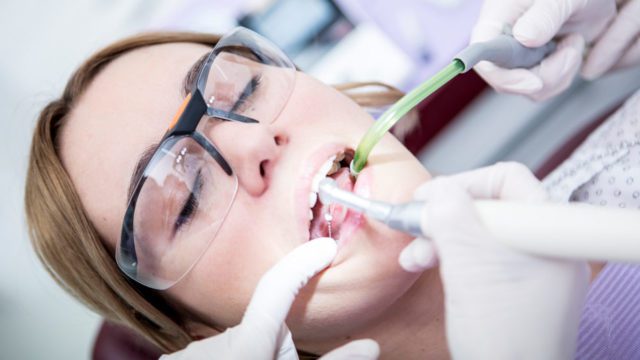
It is better to go for more filling food items than allowing food particles to remain on your teeth the entire day. Those who like to snack regularly should brush twice daily. In addition, rinsing the mouth after each meal will greatly reduce dangerous bacteria in the mouth and enhance the production of saliva.
Grinding the teeth
Sleep disorders, crooked teeth, anxiety and stress, an unusual bite, and TMJ disorder might lead to this issue. Sometimes, it is hard for some people to realize they have a habit of grinding teeth.
This problem will damage tooth enamel and expose teeth layers. A dentist will look at your mouth and diagnose this problem. To control further damage, the professionals can treat the same using a mouth guard or other devices.
Seek professional help to prevent cavities
If you are experiencing oral health problems in spite of practicing the right oral hygiene habits, a dental check-up is the best option. Contact us today! Our professional team will offer you advice about how you can avoid getting cavities.
Is Fluoride Your Friend?
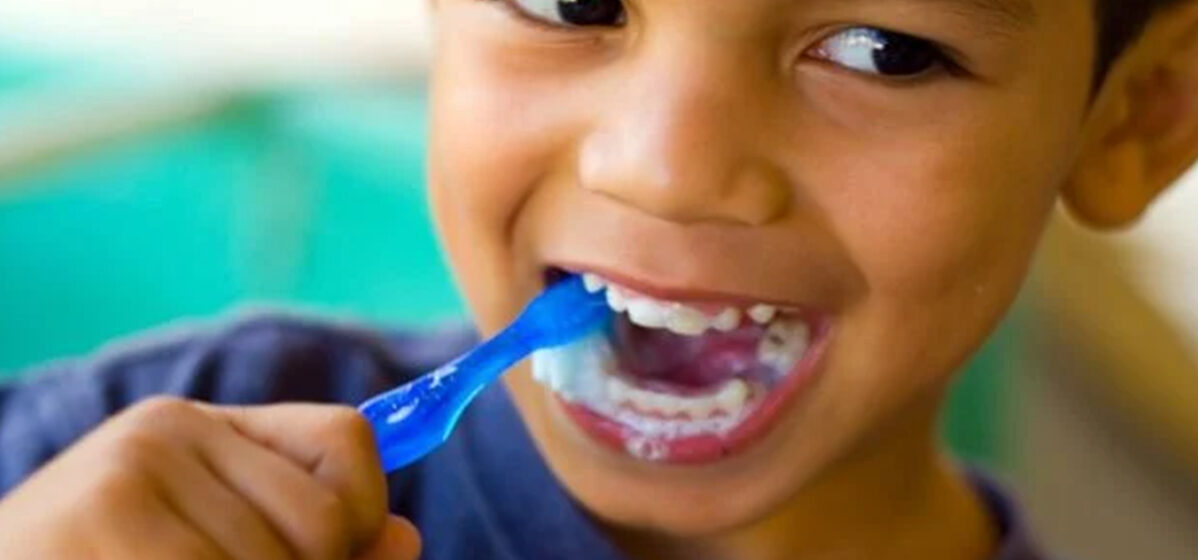
Every day’s oral hygiene routine comes in three essential steps: brushing, flossing, and mouthwash to rinse the teeth. Fluoride is the common factor in these three steps! Are you aware that you can get it in most supplements, water supplies, mouth rinses, foods, floss, and toothpaste? Fluoride is an important ingredient in dental products for several reasons.
What is fluoride?
You can get it in foods, water, and soil. It occurs on a regular basis and is plentiful in nature. The synthetic type is used in water and dental hygiene products like mouthwashes, toothpaste, and other chemical products.
How it works
Plaque exists in everyone’s teeth. This is usually a sticky film layer that’s caused by naturally living bacteria in your mouth. Released acids cause cavities when sugar comes into contact with the bacteria in plaque. Decay occurs when the acid starts to destroy tooth enamel. It will help minimize the ability of the plaque bacteria to produce acids. Furthermore, this natural mineral will remineralize the already decayed areas of the teeth.
How fluoride benefits your teeth
The most popular dental issues are cavities. The best way to prevent cavities is to offer the teeth enough fluoride constantly. Weakened enamel causes cavities. But the ability of this mineral to fortify enamel significantly enhances overall oral health and helps fight tooth decay.
Both adults and kids will benefit from the cavity-fighting powers of this mineral. This mineral will allow for healthy teeth before they burst through the gums. It does this by strengthening the new teeth. This makes it easier for teeth to withstand decay as soon as they emerge.
Clean the teeth
This mineral plays a huge role in cleaning up the teeth, removing plaque and other hazardous items. In addition, it will help to boost the gum’s health and overall oral health.
Restoring enamel
The major perk of this mineral is restoring the enamel. This outermost tooth layer helps to protect all the teeth from cavities. But the daily food, the daily diet you eat, has lots of foods that are bad for your enamel’s health. Sugar, soda, and other common foods attack this part of your teeth. This weakens the ability of your teeth to keep cavities at bay. Fluoride will restore that.
Fluoride can be obtained in the following ways:
- If the water supply you use is not fluoridated, you can take a dentist-prescribed fluoride supplement.
- Have a professional use foam, gel, or varnish to apply fluoride directly to the teeth.
- Use fluoride toothpaste to brush twice daily for 2 minutes. As soon as a kid’s first tooth emerges, they can use this toothpaste. Rice grain size until three years old, the size of a pea for everybody over age three.
- Drinking tap water
Facts
- If a lot of it gets ingested while adult teeth are coming out, it may cause fluorosis. This leads to tooth enamel looking stained or spotted. If you oversee the kids brushing and using the correct toothpaste, fluorosis is not likely to take place.
- This mineral lets teeth grow an even sturdy exterior enamel layer referred to as fluorapatite. This layer is more decay-resistant than teeth that have no fluoride exposure.
- You can find this mineral all over; in the food we eat, in the water we drink, and in the air. A mineral you can find in water and soil, it can strengthen enamel, which makes it more decay-resistant.

Negative effects
In unusual scenarios, fluorosis will take place if too much fluoride is ingested while kids’ teeth are still developing. It is popular with kids. However, there are no hazardous repercussions apart from the emergence of white specks on the teeth. You can prevent this by keeping an eye on the kids while they brush to make sure that they do not use a lot of toothpaste or ingest it.
Is fluoride your friend?
After years of research, the major threat associated with it is overuse among kids. If you expose your children to too much of this mineral when they are very young, they may get fluorosis. This will make their tooth enamel have dark stains or white spots.
This takes place if kids ingest lots of fluoride toothpaste. So it is essential to train young kids to spit out the toothpaste while brushing and use specially formulated kids’ toothpaste. When used in the right doses, this mineral is safe. If you want to have a dental checkup or know more about how to maintain healthy teeth, contact us to find out more.
Tips for a Brighter Smile

A brighter smile will provide you with the confidence to face the day ahead. Not only will white teeth help in boosting your confidence and look appealing, but they are also a sign of excellent oral hygiene.
But most people lose that stunning whiteness because of bad oral hygiene. This lack of care will include things they do not contemplate, such as eating unhealthy food like alcoholic beverages or coffee that cause tooth stains. Though you can choose a teeth-whitening treatment anytime you want, it’s neither affordable for everybody nor permanent.
Tips to help you have the brighter smile of your dreams
Mouthwash and flossing
Brushing is not the only thing you should consider when it comes to teeth. It is best to consider mouthwash and flossing as well. These are essential steps that most people always miss out on because of the additional effort it may take doing it.
But both play a huge role in mouth and teeth cleaning up for a brighter smile. Keep in mind that your toothbrush will not clean everything, and that is why flossing works well to get in between your teeth and get rid of any remaining food.
Mouthwash will also help disinfect your mouth of bacteria that can damage the teeth over time.
Practicing good oral hygiene
Practicing this routine will provide you with a brighter smile. Ideally, this will include brushing teeth two times daily, getting rid of buildup and plaque by flossing, and removing plaque-causing bacteria with mouthwash. Brushing your teeth immediately after eating will help ensure the teeth stay free from stains. In addition, for added brightness, you can include whitening toothpaste into the routine.
Avoid sugary drinks and snacks
Whether you are unwinding at the swimming pool or beach or going to the park, it’s tempting to buy easy on-the-go treats like cookies, fruit snacks, fries, and crackers. Although they are time savers and easy, these choices come with many added sugars. This can result in tooth cavities and decay ultimately. Rather, you can go for nuts, grapes, and apple slices to help the children become invigorated the entire day and give them a brighter smile.
Water is always the best choice compared to beverages. Although children like the sweetness of sports drinks and juices, they also come with many needless sugars that eat away the enamel. In addition, if your children are active and like to run around, they should be dehydrated, and the best way to do this is by drinking water. This will also give them a brighter smile. Ensure that you carry water with you, save the sweetened drinks for special events, and ensure you use them in moderate amounts.
Hydrate
Drinking water will certainly be great for your teeth and even your body as it keeps you hydrated. Additionally, water will help wash away the residue in the mouth from the food you eat. It prevents dry mouth as well. Saliva will ensure that your mouth’s environment stays healthy by washing the teeth with minerals like calcium, phosphate, and fluoride. So remember to hydrate for a brighter smile.
Eating lots of veggies and fruits
One essential thing that will offer a brighter smile is the type of food you eat. Veggies and fruits are important for the well-being of the body with a number of advantages. For example, strawberries naturally whiten teeth, which results in a brighter smile. These fruits have vitamin C to help clear plaque and an astringent that effectively gets rid of stains. Other vegetables and stains such as apples and celery also offer a brighter smile by hitening the teeth. These fruits activate the production of saliva that helps cleanse your mouth.
Braces
When you find that the teeth are crooked, whether you have noticed it became worse as you age or maybe it is something that took place during your early years, it is best to consider braces. There are choices available to offer you a brighter smile. Clear braces will offer you straightened teeth; however, they lack the obvious look offered by conventional metal braces.

Visiting the dentist frequently
Another essential part to help keep the teeth white to get a brighter smile is visiting a dentist at least once yearly, every 6 months if possible. Frequent visits can help treat or prevent issues that may result in staining or tooth decay. The expert touch will help ensure your teeth stay cleaner and offer you a brighter smile.
Getting a stunning, brighter smile is easy!
Having a healthy and bright smile increases your confidence in lots of situations. Going to the dentist is the best decision you can make as it is the most effective way of giving you a brighter smile.
Our professionals are glad to help you solve dental issues, offer choices for maintaining healthy teeth, and prevent future damage. Getting a healthier, brighter smile is simpler than ever. And if you need help or want to quicken the process, contact us today.