Can Teeth Cleanings Help Prevent Cavities?
Teeth cleanings in Burke, VA, provide an added level of protection by removing buildup that cannot be cleared at home. Professional cleanings also allow early detection of enamel changes before they turn into larger cavities that require fillings or more involved treatment.
Tooth decay begins when plaque bacteria produce acids that gradually dissolve enamel. When plaque remains on the tooth surface for extended periods, repeated acid exposure leads to enamel breakdown.
Effective cavity control depends on consistent home hygiene and scheduled professional cleanings.
What Happens During a Professional Cleaning
Teeth naturally accumulate a soft film of bacteria, known as plaque, as the day goes on. Even with regular brushing, some areas are easy to miss. If plaque is left behind on the tooth surface, it can mineralize and become tartar.
Tartar bonds tightly to enamel and along the gumline, making it impossible to remove with a toothbrush alone.
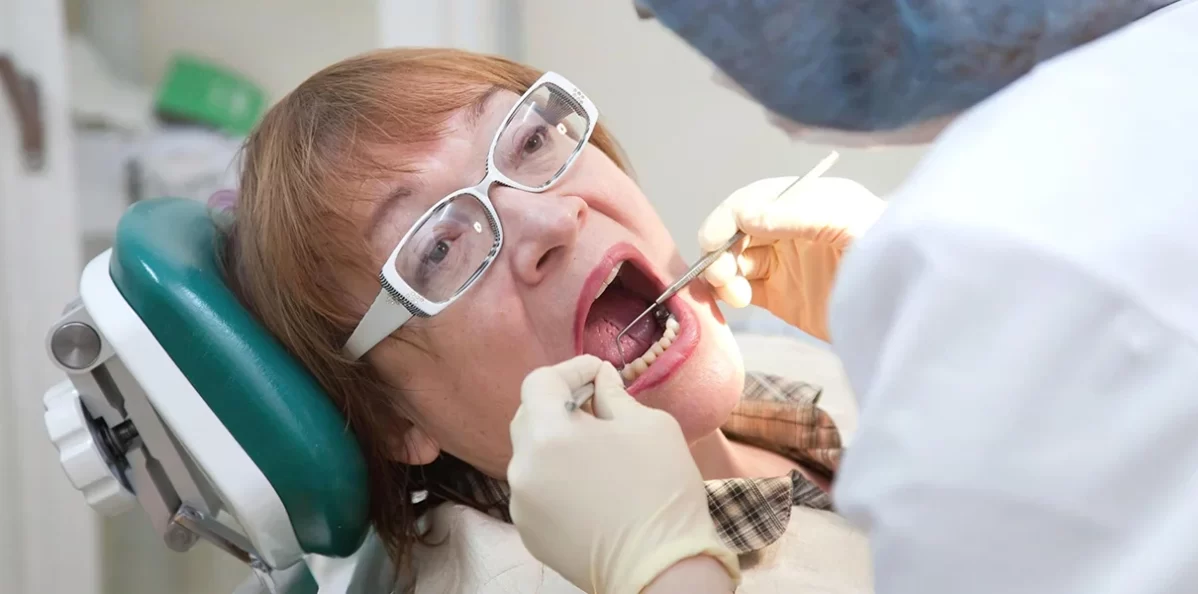
During a professional dental cleaning, specialized instruments are used to carefully remove hardened deposits from the tooth surface and beneath the gumline.
This process ensures thorough plaque removal and tartar removal, reducing the number of bacteria that contribute to enamel breakdown.
After scaling is completed, the teeth are polished to create a smoother enamel surface. A smoother surface reduces the likelihood of rapid plaque accumulation after the appointment. In some cases, a fluoride treatment may also be applied to strengthen enamel and support remineralization.
How Oral Hygiene Relates to Cavity Prevention
Regular brushing and flossing are essential for limiting plaque and bacterial growth. However, certain areas of the mouth are more difficult to clean. Back molars, tight contacts between teeth, and regions near the gumline often trap plaque.
Professional cleanings address these vulnerable areas directly. By reducing bacterial levels in hard-to-reach areas, the risk of enamel damage decreases.
Cleanings also provide an opportunity to review brushing techniques and identify spots where plaque tends to collect.
Combining consistent home care with routine appointments creates a stronger defense against cavity formation.
How Often Should Cleanings Be Scheduled?
For many patients, professional cleanings are recommended every six months. This interval allows plaque and tartar to be removed before they contribute to significant enamel damage or gum inflammation.
However, the ideal schedule can vary depending on individual risk factors.
A dentist in Burke evaluates your oral health history, previous cavity experience, gum condition, and overall hygiene habits to determine an appropriate recall interval. Patients who develop tartar quickly, wear orthodontic appliances, or have a history of gum disease may require more frequent cleanings.
Postponing cleanings permits tartar buildup, which can increase the likelihood of both decay and gum irritation. Staying consistent with appointments helps maintain a healthier oral environment.
Early Signs of Cavities Your Dentist Can Detect
Cavities often begin without noticeable symptoms. In the earliest stages, enamel may develop small white areas that signal mineral loss. At this point, the damage may still be reversible with fluoride and improved hygiene.
During an examination at a Burke dental office, the dentist looks for subtle changes in enamel texture, discoloration, or softened areas. Dental X-rays may reveal decay between teeth or beneath existing restorations that cannot be seen during a visual exam.
When decay is identified early, treatment can be performed at an earlier stage, potentially limiting the size of restorations needed. Detecting cavities before they progress reduces the risk of more complex procedures.
Brushing at Home vs. Professional Cleanings
Brushing and flossing remove fresh plaque from the tooth surface, but they do not eliminate hardened tartar. Once plaque mineralizes, it requires professional instruments for safe removal.
Home care supports daily maintenance, while professional cleanings provide deeper removal of deposits and a thorough evaluation of oral tissues. Daily brushing and professional cleanings work together to support cavity control and gum health.
Both components are necessary. Without routine cleanings, tartar continues to build up.
Cleanings and Gum Health
Gum disease begins when plaque accumulates along the gumline. Bacteria trigger inflammation, leading to redness, swelling, or bleeding during brushing. If this condition progresses, it can affect the bone that supports the teeth.
Eliminating plaque and tartar reduces bacterial accumulation, thereby reducing gum inflammation. Healthy gums attach securely around teeth, protecting the underlying bone and lowering the risk of decay.
At Embrace Family Smiles of Burke, patients receive thorough evaluations and cleanings focused on maintaining gum health and reducing the risk of cavities.
Cavities typically develop gradually when bacterial plaque remains on tooth surfaces. Combining routine professional cleanings with proper daily care reduces the risk of decay and promotes healthy enamel and gum tissue.