Can You Get Cavities with Veneers? Maintaining Oral Health Under Your New Smile
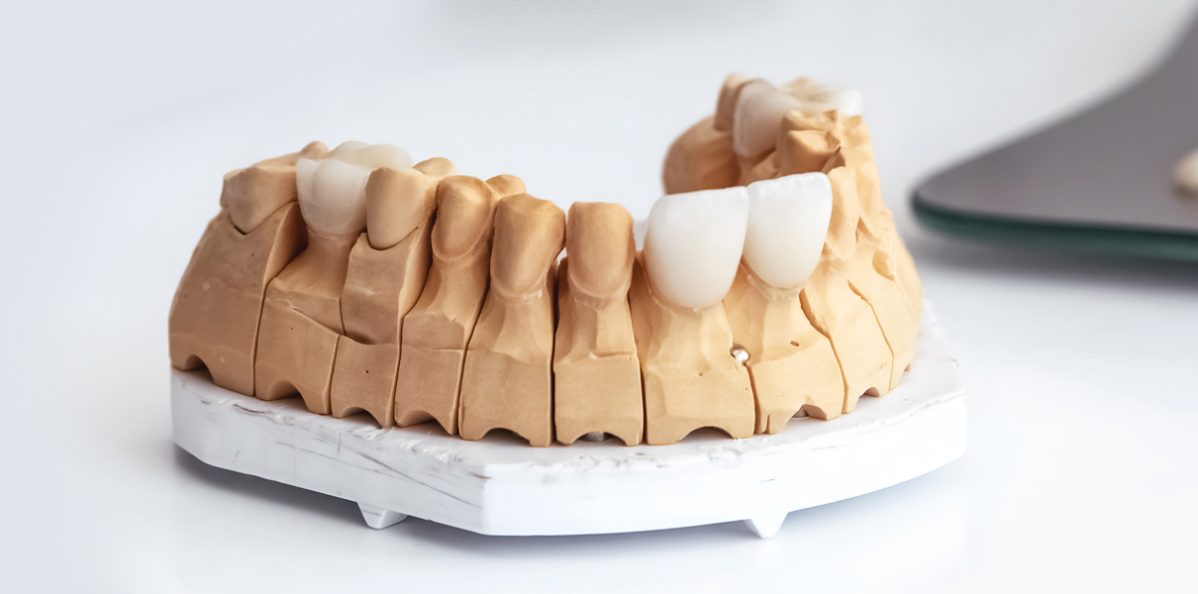
Dentists may recommend veneers to enhance the appearance of teeth with cosmetic imperfections, including discoloration, small chips, or uneven spacing.
Some patients considering dental veneers in Woodbridge, VA, believe veneers eliminate the risk of tooth decay.
While veneers cover the visible surface of a tooth, the natural tooth structure underneath remains present and can still be affected by oral health conditions. Understanding how cavities develop around veneers supports long-term oral health after cosmetic treatment and helps patients maintain their results.
Veneers enhance appearance, but they do not replace the need for consistent dental care and preventive habits.
How Cavities Can Form Around Dental Veneers
Veneers are bonded to the front surface of teeth, leaving the edges, margins, and underlying enamel exposed to the oral environment. Cavities can form when bacteria accumulate along the veneer margins, especially near the gumline, where plaque tends to collect.
Over time, this buildup can lead to veneer tooth decay, even though the veneer material itself cannot decay.
Dentists evaluate the fit and seal of veneers during placement to reduce gaps where bacteria can enter. However, daily habits such as brushing, flossing, and routine dental visits play a major role in limiting bacterial buildup around restored teeth.
The Importance of Proper Oral Hygiene with Veneers
Maintaining oral hygiene remains essential after veneer placement because natural teeth still require protection—plaque forms on the edges of veneers just as it does on untreated tooth surfaces. Understanding how to care for veneers involves more than keeping them visually clean—it focuses on preventing decay where the veneer meets the natural tooth.
To reduce plaque buildup, dentists recommend maintaining daily oral hygiene habits and attending regular professional cleanings. Proper home care supports gum health and helps preserve the seal between the veneer and the tooth.
Common Mistakes That Lead to Decay Under Veneers
One common mistake patients make is assuming veneers eliminate the need for meticulous oral care. Skipping flossing allows plaque to remain at the gumline, where decay often begins. Brushing too aggressively can also cause gum irritation or recession, exposing more of the tooth structure around the veneer.
Improper brushing with veneers, such as using abrasive toothpaste or excessive pressure, may wear down enamel near the margins. Delaying dental visits can allow small problems to progress unnoticed beneath cosmetic restorations, making early intervention more difficult.
The Role of Regular Dental Checkups After Veneer Placement
Routine dental examinations allow dentists to monitor the integrity of veneers and detect early signs of decay. During checkups, dentists examine the veneer margins, assess gum health, and use imaging when needed to evaluate areas not visible during a clinical exam.
Ongoing veneer maintenance includes professional cleanings that remove plaque and tartar from areas patients may miss at home. Regular dental visits help preserve both the appearance and function of veneers over time by identifying concerns early.
How Diet Choices Affect Teeth with Veneers
Dietary habits influence oral health after veneer placement. Sugary and acidic foods contribute to enamel breakdown at exposed tooth surfaces and around veneer margins. While veneers cover the front of the tooth, the remaining enamel remains susceptible to acid exposure.
Dentists often discuss dietary habits as part of caring for veneers, helping patients understand how frequent snacking, sugary beverages, and acidic foods can increase the risk of cavities beneath restorations. Proper oral hygiene and moderation after meals help reduce these risks.
Signs of Tooth Decay Hidden Beneath Veneers
Cavities under veneers may not be immediately visible. Early signs may involve gum inflammation, increased sensitivity, or subtle changes in how the veneer feels against neighboring teeth. In some cases, discoloration near the veneer edge may indicate decay beneath the surface.
Regular evaluations by a cosmetic dentist Woodbridge patients trust are important for identifying these changes early, before decay progresses and affects the underlying tooth structure.
Protecting Your Smile Long Term
Veneers can improve smile appearance, but they require ongoing care to maintain both aesthetics and oral health. Dentists balance cosmetic outcomes with the preservation of natural tooth structure by providing ongoing monitoring and preventive recommendations.
This approach to veneer care and oral health reflects the clinical principles followed at Embrace Family Smiles of Woodbridge.