Burke Baby Dental Care for Infants, Toddlers
Golden Pediatric Dentistry & Orthodontics provides expert baby dental care for children of all ages, including newborns, infants, and toddlers. We’ve written this informative article on Baby Dental Care to educate new parents on their babies dental needs. We answer many questions new parents have concerning how to provide dental care for their baby.
How Do I Care For My Babies Teeth?
Caring for Baby’s Gums
You may begin caring for baby’s gums right away. In the beginning, the baby dental care you provide won’t involve a toothbrush and toothpaste yet. Instead, take the following steps:
- Use a soft, lightly moistened washcloth or hand towel to gently wipe your baby’s gums at least twice a day.
- Remember to especially wipe your baby’s gums after feedings and right before bedtime.
This will prevent bacteria from clinging to gums which can leave a sticky plaque behind that damages infant teeth as they come in.
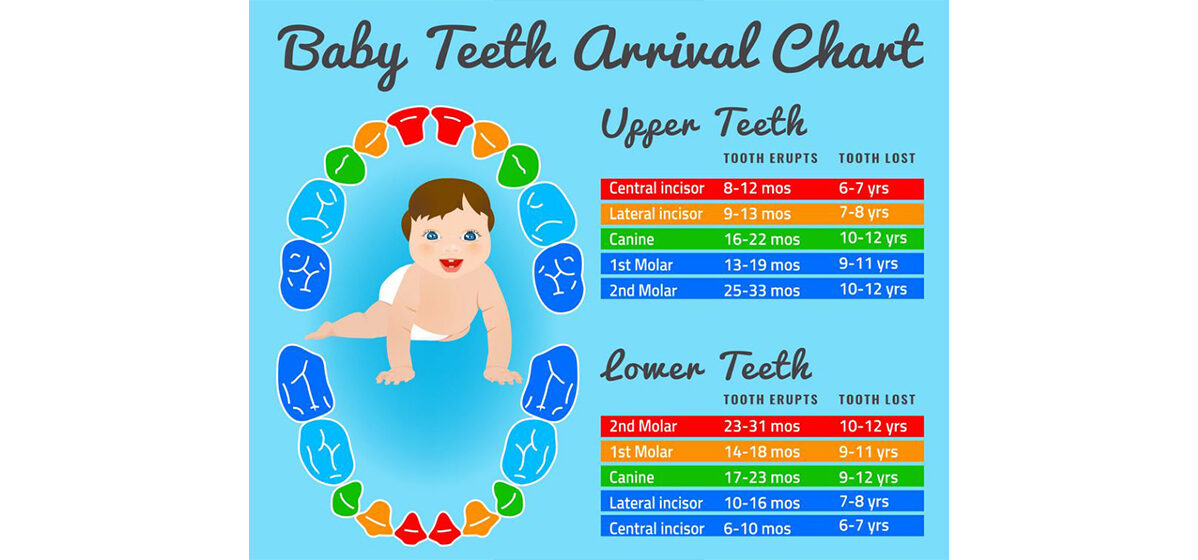
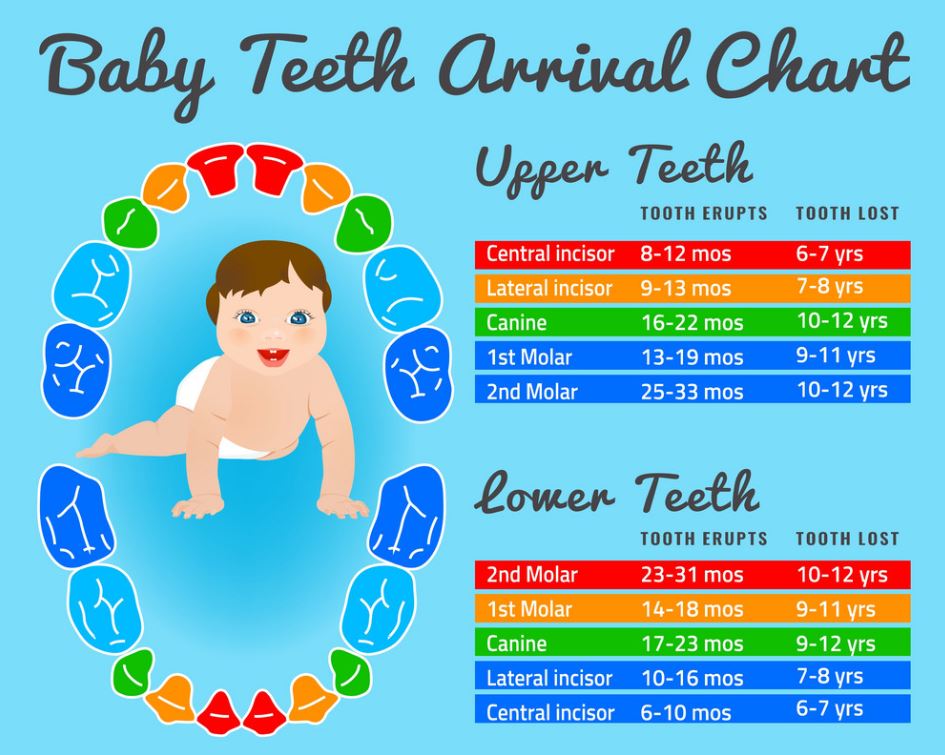
When Do Baby Teeth Come In?
Brushing Baby’s Teeth
When your babies first teeth start to pop up, you can graduate to a toothbrush. Until that happens we recommend that you use one with a:
- large handle
- soft brush
- small head
Just wet the toothbrush at first. When you notice teeth begin to erupt, you should start using toothpaste (about the size of a grain of rice). You can increase to pea-sized amounts of fluoride toothpaste when your child is around 3 years of age. Gently brush all around your babies teeth — front and back.
It’s recommend that you brush your baby’s teeth until they are old enough to hold the toothbrush. Continue to supervise the process until your child can rinse and spit without help. That usually happens at around age 5 or 6.
The best form of baby dental care is to keep a vigilant lookout for signs of baby tooth decay — brown or white spots or pits on the teeth. If you notice any problems, take your child to a pediatric dentist for an exam.
When Should I Take My Baby To The Dentist?
Experts all agree that you should take your baby to the dentist by their 1st birthday and certainly before their 2nd birthday. The general rule of thumb is that when you notice teeth begin to erupt, your baby should see a dentist. Our Burke Pediatric Dentist office sees children of all ages from infant all the way through adolesence.
What To Do When Your Baby Starts Teething
These tips can help relieve your baby’s discomfort.
- Give your baby a cold teething ring or a cold cloth to chew or suck on.
- Rub your finger on your baby’s gums.
- Ask your Pediatrician if your baby can have infant acetaminophen (Tylenol). NOT aspirin.
- Ask your doctor before using teething gels or tablets.
Preventing Cavities In Baby Teeth
You should avoid giving your child fruit juices, sodas, or sugary drinks. Also avoid putting anything sweet — such as sugar or honey — on your baby’s pacifier. Sweet drinks — even milk — can settle on the teeth. This can lead to baby tooth decay — also known as “bottle rot”. Bacteria feed on the sugar from sweet drinks and produce acid, which attacks baby’s teeth. Experts are also saying that you should avoid kissing your child on the lips until their teeth are formed.
Visit our offices:
- Burke Pediatric Dentist
- Woodbridge Pediatric Dentist