My Childs Baby Teeth Are Coming In, What Do I Do Now?
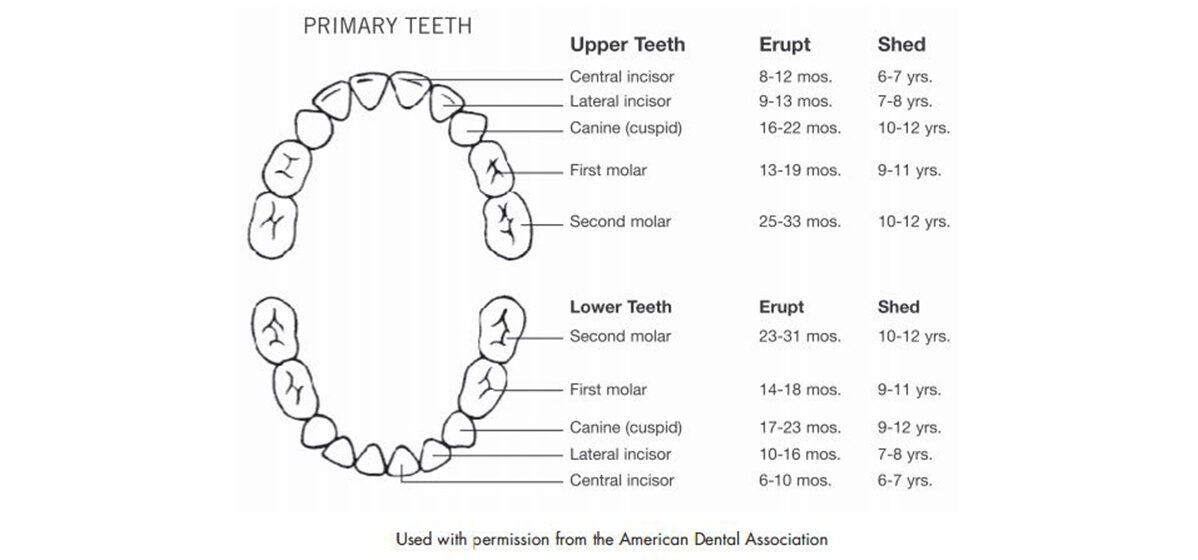
For new parents, this article is especially important. We discuss baby teeth. What they are, their function, how to maintain them and their normal progression.
You probably already are aware of how important it is to take care of your child’s baby teeth, but still have lots of questions about them. That’s okay, many parents want to know more about their child’s baby teeth. We get asked the following questions all the time.
Top 5 Questions Parents Ask About Baby Teeth
- When will my babies teeth come in?
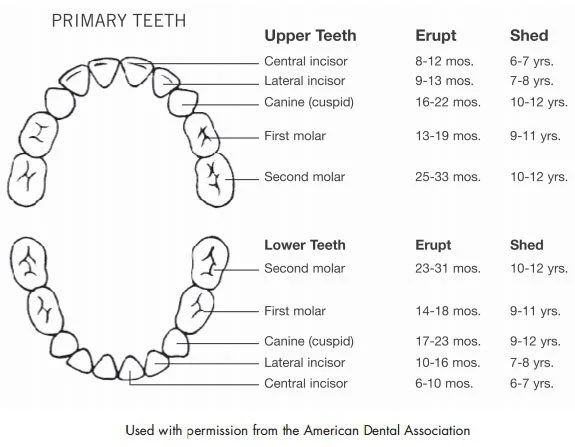
Around 3 months of age, a baby will start exploring their mouth with their tongue and exhibit signs of teething. A child’s first baby teeth will normally erupt between the ages of 6 months and 12 months of age. - How do I prevent bottle rot?
Establish a brushing routine early on. You can simply wipe your baby’s gums gently using a washcloth after every meal and before bed. Avoid giving your child juice or sugary drinks in their bottle and make sure to sterilize your child’s bottle or cup regularly. - Are my babies teeth normal?
Many parents are concerned about whether or not their child’s teeth are developing at a normal rate. Some issues that may prevent teeth from coming in on time are vitamin deficiencies, genetic abnormalities, cysts or tumors, premature / low birth weight. Hypodontia or absent teeth is an issue effecting up to 7% of people. Consult with your pediatric dentist if you feel your child may be experiencing issues. - How do I brush my babies teeth?
As soon as your child’s teeth erupt, you can begin brushing their teeth with a pea sized amount of low fluoride toothpaste with a baby tooth brush – gentle head, large handle. - When do baby teeth fall out?
Your child’s baby teeth will be around a little longer than you’d think. Their incisors (front teeth) will fall out at around age 5 or 6, while their molars are the last teeth to fall out – typically by age 10 or 11.
How Important Are A Babies Teeth?
While your child’s primary teeth aren’t permanent, it’s still critical to their development to have healthy, functioning teeth before adult teeth come in. Primary teeth that are lost before their time often cause permanent teeth to erupt out of position. This is notoriously difficult to correct with orthodontics. Occassionally this can even lead to the child’s face to develop asymmetrically. There are dental appliances called space maintainers that can prevent teeth from drifting apart and provide a more optimistic future for teeth to develop normally.
How Will My Child’s Baby Teeth Develop?
As your child’s teeth begin to develop you will begin to notice that your baby is experiencing some discomfort. All babies experience teething pains and it’s quite normal. There are some things you can do to alleviate the discomfort your child is feeling. People are normally born with 20 baby teeth waiting to erupt below the surface of the gumline. Your child will begin developing teeth at around 6 months of age – starting with their central incisors. By the age of 24 months, they should be developing their secondary molars and be through developing their deciduos teeth.
Baby Teeth Facts
- Usually for every 6 months of life, approximately 4 baby teeth will erupt.
- Girls generally develop baby teeth faster than boys.
- Lower baby teeth usually erupt before the upper ones.
- Teeth in both jaws tend to erupt in sets — one on the right and one on the left.
- Baby teeth are generally smaller in size than adult teeth. They are usually whiter in color than permanent teeth.
- By the time your child is 2 to 3 years of age, all of their baby teeth should have developed.
Maintaining Baby Teeth Is Easy
Baby teeth won’t need to be brushed until they’ve completely erupted. We’d advise gently rubbing their gums with a clean damp warm washcloth to adequately remove plaque. Do that twice per day especially after meals and before bed.
Once it’s time to begin brushing start with a baby tooth brush with a large handle and a soft head. There are toothbrushes specifically designed for babies and toddlers to use that will help them get used to brushing.
Starting a Good Foundation In Your Child’s Oral Health
It’s vital to start a good foundation for proper oral hygiene at an early age. Developing good brushing habits in your children early on will lead to a lifetime of good oral habits. As your baby develops into a toddler, make sure they are brushing at least two times each day. It’s advised to help your child brush their teeth until they are at least 5 or 6 years of age.
Follow up with bi-innual checkups and regular cleanings and you’re setting the state for your baby to have excellent oral hygiene as they develop their adult teeth. Exhibit good oral hygiene habits yourself, and you’ll be teaching your children important lessons that they’ll keep with them their entire lives.
Baby Dentist In Woodbridge, Burke, Dale City
If you’re a new parent and looking for a baby dentist in Woodbridge, Burke, or Dale City – please be aware that we have 4 convenient locations to serve you. Each of our pediatric dental offices provides outstanding dental care for babies (infants), toddlers, and children with special needs.
My Baby Has Never Been To The Dentist
That’s no problem at all. We love new patients so feel free to schedule an appointment with us, just make sure to fill out the new patient electronic form ahead of time to help streamline your first appointment.